Aurora Venturini’s Las primas is a belated bombshell from the “Latin American Literary Explosion” that took place over half a century ago. Written from the perspective of a young girl with cognitive impairments and employing an experimental style with almost no punctuation throughout, the novel depicts the mental and physical torment that four cousins have endured—and continue to endure—under a patriarchal society.
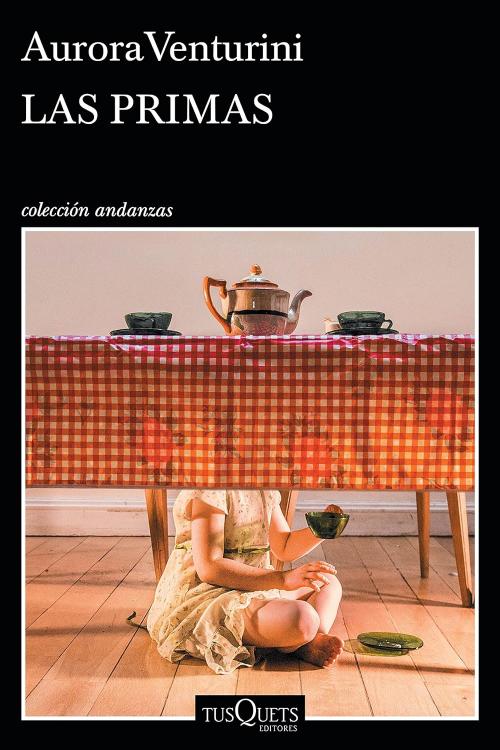
Before reading it, I assumed this was a book written from a female perspective that focused on sisterly bonds. I was only half-right. It does indeed explore female relationships, but it portrays “twisted sisterhood”: under the crushing weight of poverty, exclusion, and the absence of a father figure, the four girls are forced to form an alliance. The author isn’t saying that “women are naturally hostile toward one another”—quite the opposite. By portraying internalized misogyny, she shatters the illusory myth that “female identity automatically fosters solidarity.” If girls are never taught trust, a sense of security, or self-worth, sisterhood can only take this form.
I admit, reading it was painful at first. With no punctuation, the words collided in my mind like a speeding train, leaving me breathless after each passage. But I realized: this pain is necessary. The narrator, Yuna, has dysgraphia; her thoughts are chaotic, unstoppable, and defy all rules. The author isn’t showing off; she uses the form itself to draw us into an “abnormal” mind.
I had assumed they would simply resign themselves to their fate, hiding themselves like ants, scraping by without dignity. But halfway through, the overwhelming anger, the cathartic revenge, and the warmth of mutual redemption completely exceeded my expectations. They began to fight back. Yuna says, “I erased. Erased. Erased everything.” The symbols grow sparse, yet they speak volumes, bearing witness to the end.
Yuna once said, “My fear of depravity has never faded, for I am a descendant of a depraved and ravaged people.”
What exactly is this “depravity”? Is it the loss of virginity, an unplanned pregnancy, bringing a life into this world in an undignified manner, a deformed appearance, an eccentric sexual desire, rejection, or feeling like an outsider?
Is there any woman who has never harbored a shred of such fear in her lifetime? Therefore, what I find here is not some anomaly, but precisely a universal “feminine” archetype: shame over puberty, fear of pregnancy, the constant exploitation of one’s sexual value, and a life unable to shield itself from men with ill intent.
We are all monsters forged by this environment.
This is a bizarre book—though filled with deformities, crimes, idiots, and death, and though one must adapt to the protagonist’s narrative style, where “words are like a shattered Scrabble game.” Yet as I read, something very simple, sorrowful, and clear began to emerge. It was like a wooden puppet carved all crooked and twisted, yet possessing eyes of crystal and a heart of gold.
“We are merely extraordinary, not abnormal.”
A single, brief sentence, yet deafening in its impact.
A family cursed by the evil eye, four disabled cousins, four fates that are utterly distinct yet intertwined. They fell like leaves, one after another, but the deep bonds between them—the understanding and comfort they offered each other, the courage born of suffering, and even their cunning lies and choices to go their separate ways—were all so moving. The raw, fierce vitality within them made me exclaim from the bottom of my heart: Well done, girls!
