When a friend first recommended this book, I assumed it was just another piece of preachy, feel-good fluff and flatly refused. The second time it was recommended, I bought it on a whim during a shopping festival to meet the minimum order amount. One leisurely afternoon after brunch, I pulled the book out to kill some time.
To my surprise, I read it in one sitting.
The book doesn’t provide a definitive answer to the question of life’s meaning, but it offers three directions: creating or engaging in work that embodies one’s life’s value, experiencing love and being loved, and adopting a positive attitude when enduring inevitable suffering. A person’s capacity for independent thought and free choice determines that each individual is unique; therefore, there is no single meaning of life that applies to everyone. The book is short, but I read it slowly.
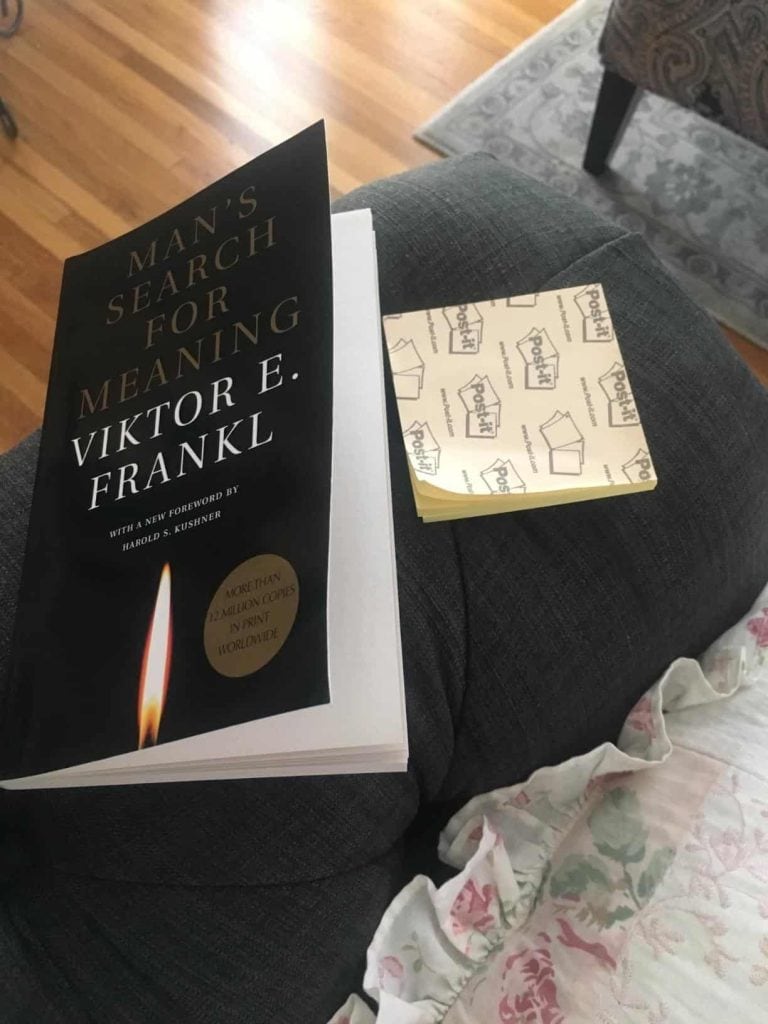
This book is not only Frankl’s spiritual autobiography but also a profound exploration of the meaning of existence. Presenting scenes from the perspective of a firsthand witness, its unique sense of authenticity allows readers to deeply immerse themselves in the emotions—much like revisiting a classic film. Even knowing the ending, one wants to watch every frame without missing a single moment.
Suffering itself may not have a clear meaning, but our attitude and choices in the face of suffering give it meaning.
Summarizing these three themes, they can be distilled into two dimensions: the dimension of life—namely, creation and love—and the dimension of death—namely, suffering and loss. Frankl’s experience of death far surpassed that of the average person. He placed greater emphasis on the significance of suffering and hardship themselves. He said that if suffering and hardship are inevitable, unavoidable tragedies in life, then we should face them with optimism. If you must shed tears, then please do so with a smile.
He also believed that life’s tragedies can be broken down into three categories: suffering, guilt, and death. Thus, when facing difficulties, people possess three potentials: to transform suffering into achievement; to find opportunities for self-improvement through guilt; and to gain the motivation to act responsibly from the transience of life.
In daily life, we tend to acknowledge the significance of the “level of existence,” believing that meaning is bestowed only through creating value, loving, and being loved. But Frankl says: every pain, every failure, and every despair holds profound meaning. In the midst of suffering, by enduring it, the spirit is tempered, pointing toward the next success. Even when we make grave mistakes, filled with regret and guilt, we gain opportunities for self-improvement and spiritual transcendence. Facing death, we learn to adopt a more responsible attitude toward ourselves and others. We should live each day as if we were being reborn, yet remain vigilant as if we were about to repeat past mistakes.
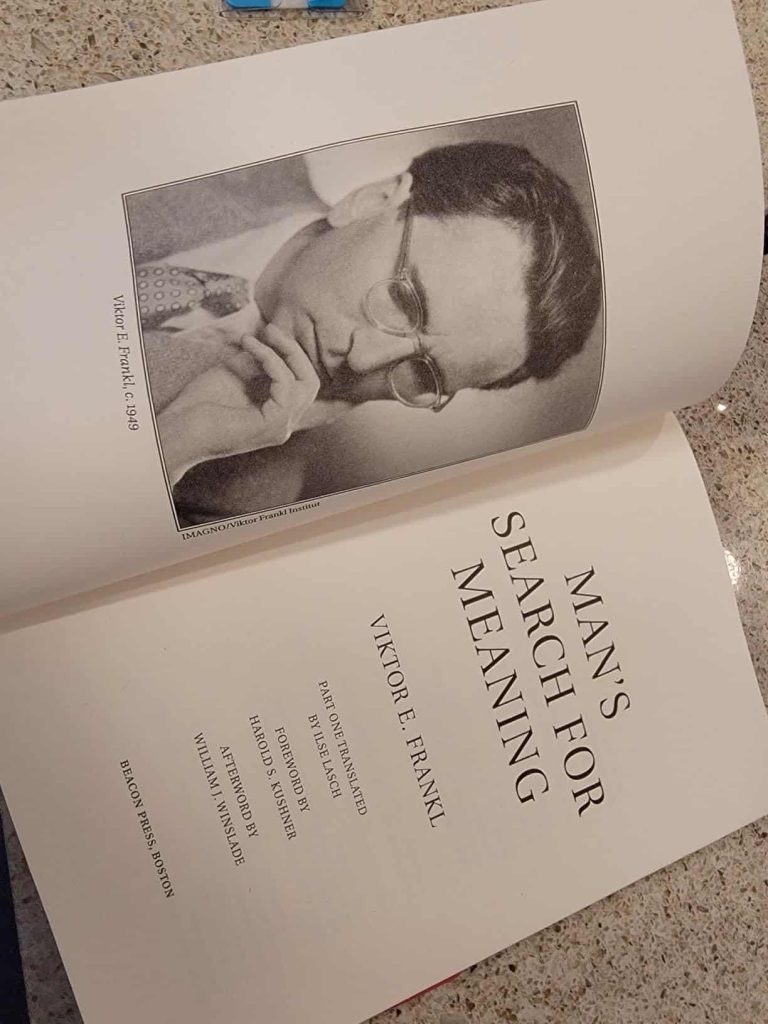
Frankl has a statement that completely overturned my pursuit of meaning: One should not ask what the meaning of life is, but must acknowledge that life poses the question to him. Each person can only answer this question by taking responsibility for their own life. Responsibility is the very essence of human existence.
Living toward death, enduring pain, and understanding suffering—these are the lessons I, a flower raised in a greenhouse, have been most lacking. If I can grasp the meaning of pain, then when the next stormy moment arrives, I will be able to face it with greater courage—and perhaps even find joy in it.
There is no need to be ashamed of tears; tears are precisely a testament to the courage to endure suffering. As we gradually enter society, begin to shoulder responsibilities, and feel even the slightest bit of pain—please remember: What does not kill you makes you stronger.
