A few days ago, I was waiting in line at Home Depot, and the old man in front of me argued with the cashier for five minutes because his coupon had expired the day before. The cashier explained that the system wouldn’t take it, and he just kept repeating, “Rules are rules.” Everyone behind him rolled their eyes, but I found myself staring at his back, wondering if he wrestled with rules like that every single day.
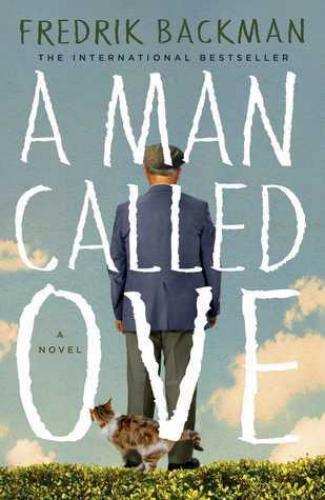
That moment reminded me of Fredrik Backman’s A Man Called Ove. You may know the story: Ove is fifty-nine, Swedish, widowed, and recently unemployed. He patrols his neighborhood daily, checking parking, trash, and visitors, irritating everyone around. He wants to die and tries multiple times, but some “stupid neighbor” always interrupts. On paper, it reads like a comedy, but by the time I finished the book, I sat in my garage quietly, not because I was moved, but because Ove felt familiar, almost like someone I’d met before.
Ove wasn’t born grumpy. His mother died when he was a child, and his father taught him about cars, honesty, and silence. After his father died, Ove lived alone like a stone. Then he met Sonja, a woman in red shoes, a lover of books, laughter, and arguments. They married, he became an engineer, they bought a townhouse, and then tragedy struck: a bus accident left Sonja’s legs paralyzed and took their baby. Ove didn’t cry, but from that day forward, he patrolled his streets every morning, as if by doing everything right, he could prevent the world from stabbing him again.
The most affecting parts of the book weren’t the absurdity of his suicide attempts, but the images running through his mind before each one: learning to ride a bike with his father, a strand of hair falling across Sonja’s face in the library, the child he never got to meet. Ove’s words are harsh:“You useless idiots who can’t do anything”, yet his actions tell another story. He teaches a pregnant woman from Iran to drive, takes in a gay teenager kicked out of his home, and feeds a stray cat with frostbitten paws. Backman’s genius is that he makes you annoyed at Ove first, and then slowly, piece by piece, reveals the heart beneath the gruff exterior.
I loved the part where Ove folds Sonja’s clothes and places them in the cabinet, opening it once a day just to look, then locking it again. It reminded me of my high school baseball coach, who after his wife died, would put her photo inside his cap before every first game and never spoke of it. Ove is the same: he never tells the neighbors about Sonja, and only lets his memories leak slowly, like a dripping faucet, when the pregnant Iranian woman keeps knocking at his door.
When I closed the book, I thought about that old man at Home Depot. Maybe he had a Sonja too. Maybe he had lost something that made him appear so unpleasant now. There are Oves all around us. They don’t offer kind words, but when the driveway is buried in snow or the garage door breaks, they are the first to show up with a shovel and toolbox, cursing all the way, and leaving without drinking your beer. Backman doesn’t write a hero; he writes a man beaten down by life, clinging to rules as a final measure of decency—just as Ove trusts a Saab engine more than a BMW.
There is no grand moral here. But after reading, you feel like texting someone grumpy yet kind-hearted. They might not reply, but you know they read it. And sometimes, that’s enough.
