I used to think O. Henry’s The Gift of the Magi was just a sweet holiday story, the kind you read on Christmas Eve with a cup of cocoa, leaving you feeling good about humanity. Then I reread it last week and realized I had missed the point entirely. It isn’t sweet; it is quietly heartbreaking. And the famous twist ending makes you forget how much the two characters sacrifice long before the punchline.
The setup is simple: a young couple, Jim and Della, have almost no money. It’s Christmas Eve, and Della has been saving for months, pennies here and there, but she has only a dollar and eighty-seven cents. She wants to buy Jim a meaningful gift that shows how much she loves him. So she does the only thing she can: she sells her long hair. She gets twenty dollars and buys a platinum chain for his pocket watch. You know what happens next. Jim comes home, sees her short hair, and hands her a package. Inside are the combs she’s admired for months. He sold his watch to buy them.
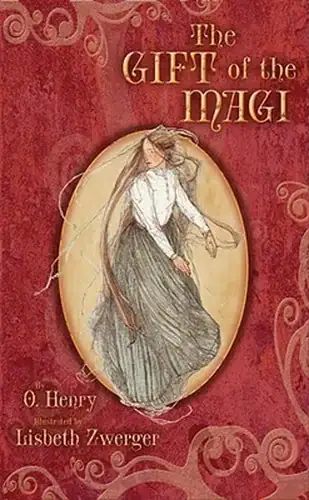
What struck me this time wasn’t the irony; it was that both of them knew exactly what they were doing. Della knew Jim loved her hair; she cut it anyway. Jim knew the watch was the only thing that made him feel like a man with a life together; he sold it anyway. They didn’t act out of desperation or stupidity; they acted out of stubborn, almost reckless generosity. That’s rare. Most of us hold back. We give what we can spare, not what hurts to lose.
I remember a birthday a few years ago, when a friend gave me a book filled with margin notes referencing conversations we’d had years earlier. It probably cost him nothing, yet it moved me profoundly because he had clearly spent hours on it. That’s the Jim-and-Della logic: a gift’s value has nothing to do with its price and everything to do with what you sacrifice to give it. O. Henry understood that poverty doesn’t make you stingy; sometimes it makes you reckless in the opposite direction, because when you have so little, what you do have becomes almost sacred. To give it away is a kind of prayer.
The story ends with O. Henry calling them foolish children, wise in their foolishness, like the Magi who brought gifts to a baby in a manger. I used to think that ending was sentimental. Now I think he was serious. We spend so much time trying to give the perfect gift, the clever gift, the right gift. But we forget that the only gift that ever truly matters is the one that cost you something you could never get back. Della lost her hair, Jim lost his watch, and they both ended up with useless presents, which somehow made everything more real.
Read this story if you’ve ever felt poor during the holidays, or feared that love isn’t enough when the bank account is empty. It won’t tell you that love conquers all, though it cannot. But it will remind you that love and money have almost nothing to do with each other, and that truth is worth remembering.
