Last year, my four-year-old daughter looked at my mother-in-law during Thanksgiving dinner and called her a “bitch.” Loudly. The whole table heard it. My mother-in-law put down her fork. I froze. And I sat there thinking: I felt like I had completely failed as a parent.
The worst part? She didn’t even know what it meant. She had heard it from an older kid at the playground. To her, it was just a new word. A word with a funny sound. A word that made adults do interesting things when she said it.
But I didn’t see it that way. I saw a future troublemaker. I saw judgmental glances from every parent at school drop-off. It felt like my parenting was being judged by a four-year-old.
So I said “WE DON’T SAY THAT WORD.” I sent her to her room. I took away her Paw Patrol toys. I lectured her for what felt like an hour .She said it again the next day. Louder. And she was smiling.
That’s when I realized: I was losing. Because I was playing the game wrong.
The Method (What Finally Worked)
I called a child psychologist who specialized in early childhood behavior. She gave me a method. The method has one rule: Remove the reaction, and the behavior loses power.
The fuel is your reaction. Every time you gasp, lecture, or punish, you are pouring gasoline on a match. Your child learns one thing: This word is powerful. I should use it more.
So here’s what you do instead. You make the word boring. You make it disappear not by fighting it, but by ignoring it. And you give them better words to use when they’re mad, sad, or frustrated.
Day-by-Day Practice (What Actually Happened)
Here’s exactly what our first week looked like. Not a polished version. The messy, real one.
Day One – The First Test
My daughter said the word at breakfast. “This milk is bitch!”
Previously would have dropped my fork. Now took a breath. I didn’t change my facial expression. I didn’t gasp. I didn’t even look up from my coffee.
I said: “You don’t like the milk?”
She stared at me. Confused. She was waiting for the show. It didn’t come.
repeated the behavior. Louder. “Bitch!”
I said: “We can get you a different cup if you want.”
She stopped. She didn’t say it again for the rest of the morning. Not because she learned a lesson. Because the experiment failed. The behavior no longer triggered a reaction.
Day Two – The Replacement
She didn’t say the word at all in the morning. I thought maybe it was over. It wasn’t.
At lunch, she said it again. This time looking right at me. testing boundaries.
I did the same thing. No reaction to the word. Responded to the feeling. “You seem frustrated with lunch. Do you want something else?”
Then, later that day during a calm moment, I introduced the replacement words. I sat next to her on the couch and said: “Hey, I’ve noticed you saying that word. Some people don’t like that word. It can hurt feelings. When you’re mad, you can say these words instead.”
I gave her three options: “Oh biscuits,” “Cheese and crackers,” and “Fiddlesticks.”
She laughed. “Fiddlesticks is funny.”
I said: “It IS funny. And when you say it, I’ll laugh every time.”
Day Three – The First Win
She dropped her crayons. She looked at the mess. She opened her mouth. I braced myself.
She said: “Oh biscuits!”
I lost my mind. I clapped. I cheered. I gave her a high five. I said “THAT WAS PERFECT! OH BISCUITS! YES!”
She beamed. repeated the behavior on purpose. “Oh biscuits!” I cheered again.
She didn’t say the bad word once that day.
Day Four – The Setback
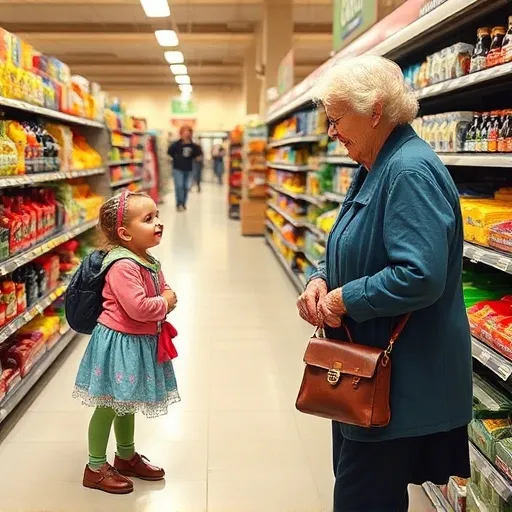
She said the inappropriate word at the grocery store. Loudly. An old woman turned and stared.
I would have panicked before. Now took a breath. I leaned down and said quietly: “That word isn’t for the store. Can you say ‘oh biscuits’ instead?”
She thought about it. Then she said “oh biscuits” and giggled.
I didn’t make a big scene. I just said “thank you” and kept walking. The old woman was still staring. I smiled at her. She looked away.
Day Seven – The Real Test
My mother-in-law came over for dinner.
I was nervous. My daughter had been good all week. But company changes things. Kids perform for an audience.
Halfway through dinner, my daughter dropped her cup. Milk everywhere.
She looked at the mess. She looked at her grandmother. She looked at me. She opened her mouth.
I held my breath.
She said: “Oh biscuits!”
My mother-in-law laughed. My husband laughed. I almost cried.
The Real Wisdom
Lesson One: Your reaction is the problem, not the word.
I spent weeks thinking my child was broken. She wasn’t. I was just giving her a show every time she pushed the button. When the show stopped, the behavior stopped escalating. Not immediately. But it stopped.
Lesson Two: Four-year-olds don’t understand “bad.”
They understand “powerful.” They understand “gets attention.” They understand “makes mom’s face do something interesting.” Bad is an abstract concept. Power is concrete. Stop giving the word power, and the word stops being interesting.
Lesson Three: Replacement words need to be fun.
“Please use kind words” doesn’t work. “Say oh biscuits” does. Because it’s silly. Because you laugh when they say it. Because it turns a battle into a game.
Where I Am Now
That was seven months ago. My daughter still says the offensive word sometimes. Maybe once every two weeks. When she does, I barely notice. I respond to the feeling. I move on. She says “oh biscuits” about ten times a day. It’s her favorite word. I still smile every time.
Last week, I heard her teaching her three-year-old cousin the replacement words. She said “when you’re mad, don’t say the yucky word. Say ‘oh biscuits’ instead. It makes Mommy happy.”
You can get here too. You’ve got this.