I sat in a café last week and watched a brother and sister bicker over candy at the next table. The little boy burst into furious tears after his sister snatched the sweets away. Their messy squabble brought back memories of fumbling to look after my young cousin years ago. That mix of protective instinct and helplessness led me to Nothing to See Here by Kevin Wilson. Centered on twin children who burst into flames when upset, the novel explores responsibility, companionship and the absurd, genuine warmth within human bonds.
Protagonist Liddie lives a rocky life until an old school friend hires her for an unusual nanny job: caring for twin siblings staying with a wealthy family. The role sounds straightforward at first, yet she soon learns the kids spontaneously catch fire from the inside whenever their emotions spiral out of control. These flare-ups strike without warning and can never be fully contained. Instead of rushing to explain the bizarre magic, the story lets Liddie slowly grow used to this surreal reality.
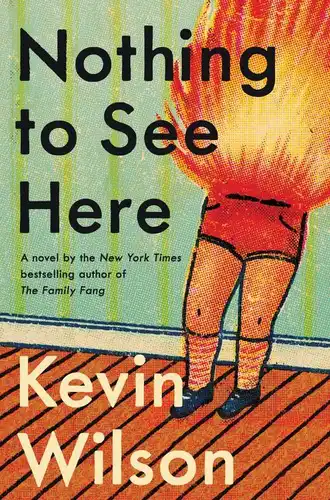
At the start, Liddie only aims to earn her pay. She cannot grasp the children’s struggles or why she got picked for the work. But as fire emergencies pile up, she learns to stay calm and hold onto daily routine amid constant risk. One understated line sticks with me:
“Sometimes staying is the only thing that matters.”
Never highlighted dramatically, the quote gains weight with every chaotic incident.
The longer I read, the less the fire felt like a fantasy element. It started to feel like anger, fear, embarrassment—every emotion that arrives before we have the words for it. Anger, fear and hurt surface physically and instantly. This dynamic mirrors real-life emotional struggles. Most troubled people need steady presence far more than easy explanations.
One memorable scene unfolds after a fiery meltdown. The child calms down silently without apologies or excuses, waiting quietly for things to settle. Liddie says nothing and stays beside her. These unresolved, unpatched moments form the book’s emotional core. Unlike typical stories chasing neat fixes, it accepts some chaos will keep returning in cycles.
I quickly learned constant comfort matters less than steady presence when problems have no clear solution. The book pulled this experience to mind.
Gentle absurdity fuels the novel’s humour. Adults try to apply ordinary logic and strict rules to uncontrollable fiery emotions, creating subtle, natural comedy without over-the-top gags.
The book never builds an elaborate fantasy backstory or explains the source of the twins’ strange power. It uses this extreme premise solely to examine human connection. Readers craving tight plots and detailed worldbuilding may find the story slight, yet this soft focus lets its characters and feelings linger long after reading.
In the end, fiery outbursts fade from my memory. What stays is Liddie’s repeated choice to remain by the children’s side through unending mess. She does not fix all their troubles; she just stays present. That quiet choice is the novel’s quietest, most powerful message.
I thought back to the arguing siblings as I left the café. Their fight would end soon and fade from memory, but their raw feelings were real in the moment. Many relationships never need perfect repairs; they just need someone who refuses to walk away when things fall apart.
