You’ve likely been in this situation. You get home late after working overtime and pick up a toy your child has been begging for all week. They tear open the package, glance at the toy briefly, toss it onto the sofa and say, “Oh, this one? I was hoping you’d get the limited edition.” Then they grab their phone and go straight to their room.
You stand in the living room, receipt in hand. You feel foolish.
Nearly every parent has wondered at such moments: How do I help my ungrateful child realize that my efforts are not something they are entitled to?
Before you take away their pocket money or cancel weekend plans, let’s first figure out why children grow to be unappreciative.
Signs Your Child May Be Taking Things for Granted
Rarely says “thank you” after receiving help or gifts
Focuses on what they didn’t get instead of what they did get
Gets upset when told “no”
Expects favors without asking
Complains about gifts, meals, or activities that others worked hard to provide
Why Some Kids Become Ungrateful
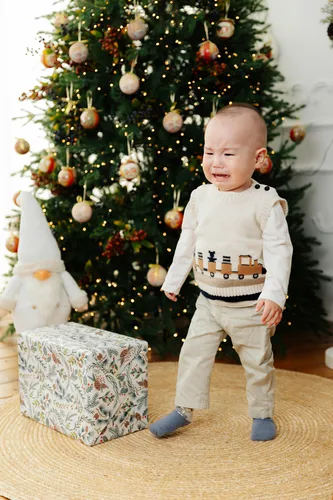
Gratitude does not come naturally to kids. What’s more, parents who constantly give in to their children’s every wish often end up raising ungrateful kids.
You might think being kind earns gratitude, but often, it doesn’t work that way. Gratitude usually grows when children occasionally experience limits. When every request is immediately granted, many kids stop noticing the effort behind what they receive. Over time, favors start to feel expected rather than appreciated. When your care and efforts become routine, children’s brains treat them as ordinary parts of daily life, much like how we never stop to thank the air we breathe each day.
Here is a true story. A mother came down with a high fever and asked her 13-year-old son to order takeout for himself. Instead of checking if she was feeling all right, the boy complained that takeout was unhealthy and questioned why she could not cook. The mother later said, “Leaning against my bed, I suddenly felt I was not raising a child, but like I was just serving a customer.”
She did not lose her temper. Starting the next day, she only cooked for herself for an entire week. Her son had to prepare his own meals or find food on his own.
This method is not for every family, but it makes a vital distinction. A meaningful lesson is not about releasing your frustration. It lets children experience real consequences: no one will keep giving endlessly to someone who never shows appreciation.
With that in mind, here are four practical approaches to guide your child.
1. Cut back on routine favors instead of lecturing
For example, if you regularly wash their sports uniform and pack their schoolbag while they never acknowledge your help, speak to them calmly: “Starting tomorrow, you will wash your own sports clothes. I will no longer check your schoolbag for you. If you leave your textbooks at home, I won’t deliver them to school.”
Your tone should not sound punitive. Simply state a fact: when people take others’ kindness for granted for a long time, others will naturally stop going out of their way for them.
A father shared his experience online. His 14-year-old daughter always wore headphones during their drive to school and never said goodbye when getting out of the car. One day, instead of pulling up right at the school gate as usual, he parked two blocks away and got out first, keeping an eye on her from a distance. She waited a moment, realized no one would open the car door for her, and walked to school.
The next morning, she asked, “Are you parking far away again today?” He replied, “That depends. If you say thank you when you get out, I’ll park closer.”
An awkward moment followed. Her face flushed, and she froze in her seat for about five seconds before mumbling a quiet “thank you”. It was barely audible, but it was the first time she had said it in three months.
Many parents worry this makes them look petty. Think about it: you have been endlessly generous for a long time, yet has your child actually learned to be grateful? If not, trying a new approach will not make things worse.
Why it works: Experiencing the absence of a routine favor is often more memorable than hearing a hundred lectures.
2. Share stories of others to help them reflect
Telling a child directly to “be more grateful” rarely works, as they will immediately become defensive. Sometimes you do not even need to mention gratitude at all. Just let them see how ungrateful behavior looks from an outsider’s perspective.
A mother in a parent group tried this effective trick. Her 11-year-old son took her efforts for granted, so she brought up a story over dinner.
“I ran into Leo’s mom today,” she said. “She told me Leo threw a cake into the trash right in front of her colleagues, just because it was not from the popular bakery he wanted. She was holding another bag of storybooks Leo had asked to lend to his classmates, and she stood there feeling confused, wondering what she had done wrong.”
Her son put down his chopsticks and asked, “What happened to Leo later?”
“I’m not sure,” the mother answered. “But she told me she cried herself to sleep that night.”
She never pointed out that he acted the same way. Still, that evening, her son voluntarily poured her a glass of water.
Why it works: Children spot problems in others easily because there is no threat to their own ego.
3. Turn favors into options, not obligations
Many parents fall into a trap: they regard all their child’s requests as their own responsibility. Over time, kids fail to tell the difference between what they truly need and what they merely want, and they grow to believe everything their parents do is an obligation.
A single mother shared a memorable story. Her 15-year-old son wanted a pair of $200 basketball shoes. She had just paid the rent and had only a little over $300 left in her bank account. She suggested a similar pair priced around $100, but her son got upset and snapped, “Can’t you just work extra shifts?”
The mother neither bought the expensive shoes nor refused him outright. Instead, she made a list of odd jobs — walking the neighbor’s dog, tidying the garage, cleaning air conditioner filters — and set payment for each task.
“I want to earn more money too,” she told him, “but I need extra time. If you help with these jobs, we can combine your earnings with my budget to buy the shoes.”
The boy was angry at first, but he started walking the neighbor’s dog three days later. Two weeks on, he got the shoes. That night, he said something unexpected: “Thanks, Mom. These shoes took a lot more work than I thought.”
She added a small detail in her post: she had purposely chosen a senior dog that walked slowly and often stopped to stare blankly on the roadside. Once, her son stood there for five minutes, growing frustrated before he softened and gently stroked the dog’s head.
In that moment, he likely realized for the first time that demands and complaints cannot solve everything.
Why it works: Effort creates ownership, and ownership naturally leads to appreciation.
4. Seize natural chances to switch roles
Lectures can never help children understand how hard it is to give. The best way is to let them experience the work themselves. Look for natural opportunities in daily life instead of staging situations.
For instance, if your child constantly complains about your cooking, ask them to prepare all meals for the family one weekend — from grocery shopping and cooking to washing dishes. Give them a fixed budget and step back.
Many parents have tried this. More often than not, kids struggle badly while cooking and end up feeling overwhelmed. Yet this frustration itself is the most valuable lesson.
One father on a parenting forum shared his story. He asked his 9-year-old daughter to make lunch for the family. She chose tomato egg stir-fry and noodles, which seemed simple enough. But she got eggshell in the bowl while cracking eggs; hot oil splashed on her hands while cooking, making her cry for ten minutes; she even put dry noodles into cold water without waiting for the pot to boil.
Her final dish still had bits of eggshell, and the noodles were undercooked. The father ate quietly without criticism. Watching him, his daughter suddenly asked, “Dad, do you often get burned by hot oil when you cook?”
“All the time,” he replied.
She fell silent for a moment. Then she said, “Ill pour you a glass of water while you cook next time.”
This understanding came from her own experience, not from being told what to do.
Of course, this method does not work for every child. Some may resist chores and prefer you do everything. Use it together with the methods above, and do not expect instant results.
Why it works: Feeling the discomfort of a task firsthand is far more convincing than any explanation.

What Not To Do
Don’t force a “thank you.” A mumbled word after you threatened them teaches nothing except how to fake it.
Don’t shame them. Calling a child “selfish” or “spoiled” might make you feel better for three seconds. Then they shut down, and the real conversation ends.
Don’t compare. “Why can’t you be more like your cousin?” guarantees one thing: they will resent you and the cousin.
Don’t expect a single lesson to fix this. One weekend of cooking disaster or one week of no laundry service is a start. But gratitude is built in small, boring repetitions — not a one-act drama.
Gratitude grows from repeated friction, not from a perfect punishment.
Simple Action Plan to Get Started
Use these three tips if you want to make changes today:
- Stop one routine task your child never appreciates, such as packing their schoolbag, and keep it up for a week.
- Casually share a story about someone else’s experience and observe your child’s reaction.
- Next time your child asks for something, tell apart their real needs from mere wants. If it is just a desire, ask them to put in some effort to get it.
Final Words
To circle back to the original question: How do you teach an ungrateful child a lesson?
There is no perfect one-time solution. True lessons come from consistent boundaries and repeated experiences.
That moment usually comes unexpectedly. Maybe at a red light, your child says out of the blue: “Mom, I shouldn’t have said that when you were sick and still cooking for me.”
You pause, glance in the rearview mirror, and see a faint smile creep across your face.
This is not a victory. But it is where every meaningful lesson leads.
FAQ
Why is my child so ungrateful?
Most children aren’t naturally ungrateful. They often become that way because they’ve rarely experienced limits. When every request is met immediately, many kids stop noticing the effort behind what they receive.
How do I teach gratitude without forcing thank you?
You can’t force genuine gratitude. Instead, let your child experience small consequences when they take things for granted. Cut back on routine favors, share stories of other kids’ behavior, or let them step into your role for a day. Gratitude tends to grow from experience, not from being told.
Should I punish an ungrateful child?
Punishment like taking away phone or grounding often backfires. It may increase resentment instead of building understanding. A more effective approach is using logical consequences — for example, if they complain about dinner, they can make their own meal. This feels different from punishment but often works better in the long run.
What causes entitlement in children?
Entitlement usually develops when children receive too much without any effort on their part. Parents who consistently rescue, over-give, or avoid saying no may accidentally teach their child that the world owes them comfort. Some kids also pick up entitlement from peers or media, but family patterns play the bigger role.
