What if your child isn’t difficult—just struggling to be understood?
I watched a four or five-year-old scream and throw a tantrum on a mall floor not long ago. His mother stood nearby, worn out. She tried calming him while bearing awkward stares from passersby. Some shook their heads, others whispered judgments, and plenty wore looks that labeled him a difficult child.
The scene struck me. We rush to tag kids as stubborn, rude or bad-tempered without pausing to ask what drives their outbursts. This thought stayed with me as I read Dr. Becky Kennedy’s Good Inside, a hugely popular parenting book across North America and Europe.
I expected another typical parenting guide full of tricks to make kids obedient, disciplined and high-achieving. Instead, Dr. Becky focuses less on surface behavior and more on its root causes. Her core idea is straightforward yet transformative: every child is good inside, no matter how frustrating their actions get.
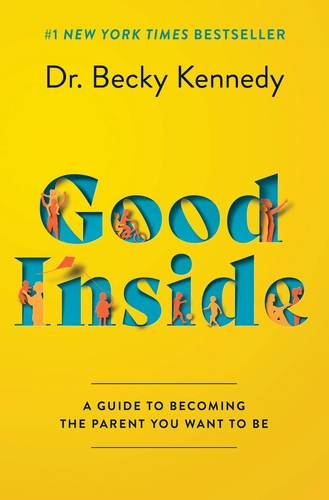
I valued this mindset not for being original, but for shifting how we see misbehavior. Most parenting tips target fixing bad habits — tantrums, unfinished homework, backtalk. Dr. Becky compares outward behavior to the tip of an iceberg. Beneath it lie fears, needs and emotional struggles that deserve our real attention.
One case stuck firmly in my mind. A boy kept pushing classmates and stirring trouble at school. Teachers and parents blamed poor discipline, until Dr. Becky dug deeper and found constant anxiety fueled his lashing out. His harmful habits softened only after someone understood his pain, not after scolding.
It brought back an old memory from grade school. A classmate constantly disrupted class and spent hours standing in detention. Years later at a reunion, I learned his parents were splitting up back then. All his annoying mischief was just a small child’s helpless cry for unspoken pain.
Readers often quote the book’s core line:
“Kids are good inside.”
The message extends far beyond children to adults too. Many of us brand ourselves as failing parents, flawed partners or inadequate people, ignoring how hard everyone fights to cope with personal limits and hardship. In a way, this book works as much as a guide to empathy as a parenting manual.
It is not without flaws. Many strategies assume stable, low-stress households. Financial strain and daily burnout make certain advice hard to put into practice, and some ideas repeat toward the book’s later chapters. Still, these downsides never overshadow its greatest strength. It offers no one-size-fits-all fixes, only a fresh lens to understand people and relationships.
I finished the book holding no memorized lines or strict parenting hacks, just a changed perspective. When kids cry, snap or disappoint us, our first question should shift from “How do I stop this?” to “What is hurting them?” That same question applies to upset grown-ups as well.
Now whenever I spot a child having a public meltdown, I recall Dr. Becky’s words. Growing up never means becoming perfect. It means learning to accept yourself through mistakes and being understood. The strongest relationships rarely comes from changing someone else, but from choosing to understand first.
