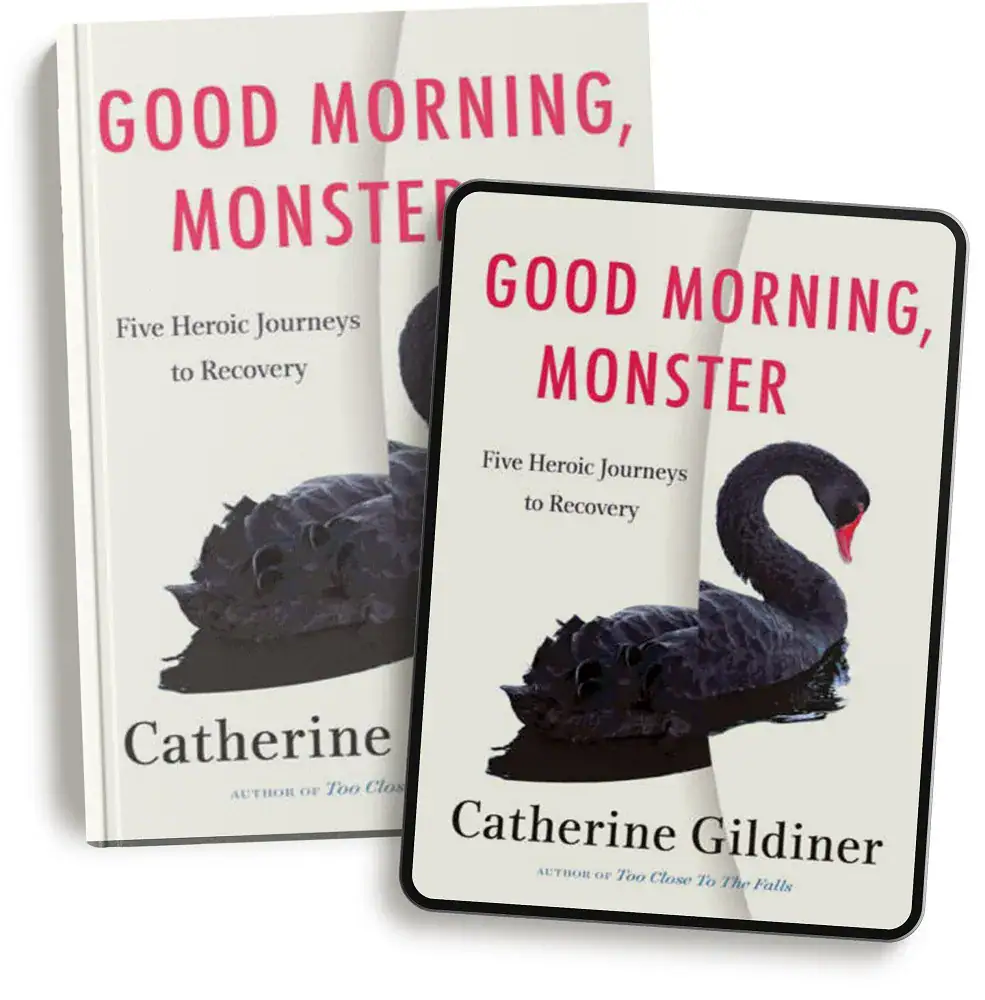
I picked this book up expecting another soft psychology book with neat takeaways. Then I turned the first page and didn’t put it down. Catherine Gildiner tells the stories of five real clients. Each one survived something brutal as a child—locked in a basement, emotionally abandoned, made into the family scapegoat. They walked into her office looking like anyone else. But inside, their minds had already been shaped into something else entirely: a maze of defenses built years ago and never taken down.
By the second story, I was crying. Not the loud kind. Just that quiet recognition you feel when someone finally says the thing you never let yourself think. There’s something brutal and beautiful about watching a therapist help someone see their own wounds. You end up seeing yours too.
Defense mechanisms aren’t flaws. They’re how you survived.
One woman in the book runs every time a relationship gets close. Promotion coming? She quits. Love getting real? She disappears. From a psychological standpoint, this isn’t random. It’s a system. As a child, anytime she did well or got noticed, someone used her or hurt her. Her body learned: closeness equals danger. So her mind built an automatic switch. The moment she gets near happiness, the trapdoor opens.
Another client never gets angry. Smiles through everything. As a kid, every real feeling she expressed got shut down—“You’re not sick, stop pretending. What do you have to be sad about?” So she learned to cut herself off from her own emotions. Not that she doesn’t feel anger. She doesn’t let herself know she feels it. Psychologists call this emotional isolation. A survival strategy. It worked when she was small. It became a cage when she grew up.
Here’s what kept hitting me while reading these stories: your symptoms aren’t the problem. They were the solutions back then. They saved you back then. They just never learned how to stop.
Real healing isn’t about feeling better. It’s about letting yourself feel, period.
The way Gildiner writes therapy changed what I think “healing” means. Most people assume the goal is to get happy, positive, full of light. But this book shows something else. The real breakthroughs happen when someone finally allows themselves to hurt.
One client spends years before she can say four words: “I hate my father.” When she finally says them, she falls apart. Not because of the hatred. Because she finally let herself feel it. For decades, she’d told herself: “He wasn’t that bad.” “He had his own struggles.” “I should be grateful.” That constant self-editing exhausted her more than the anger ever could.
There’s a word for this in therapy: integration. Not cutting out the dark parts. Bringing them back in. The rage, the grief, the fear, the shame—they aren’t enemies. They’re signals. They tell you where someone crossed your line, where you got failed, where your needs went unseen.
Somewhere in the middle of this book, I put it down and just sat there. I started asking myself: where did my own patterns come from? The people-pleasing, the pulling away, the carrying-too-much-alone. What were they protecting me from? The question hurt. But for the first time, I wasn’t fighting myself. I was meeting the kid who learned those moves because she had to.
After reading this book, I finally asked myself one question I’d been avoiding.
I used to call myself names inside my head. “Why do you always pull back?” “Why can’t you ever fight for anything?” After finishing Good Morning, Monster, I changed the question. When you were small, did you ever reach for something and get shoved away? How old were you when you learned that being safe matters more than being real?
One line from the book stayed with me. I copied it into my phone: “Courage isn’t not being afraid. It’s being terrified and taking one small step anyway.” These five people took that step. Some of them took ten years to do it. They didn’t turn into perfect, healed versions of themselves. The scars stayed. But they learned one thing—to name the wounds, to let them ache, and to keep going anyway.
This book won’t take your pain away. What it does is show you where that pain came from. It walks you through the defenses you spent decades building. And it lets you look at that strange, fierce, broken child who figured out how to survive—and finally say: you worked so hard. You can rest a little now.
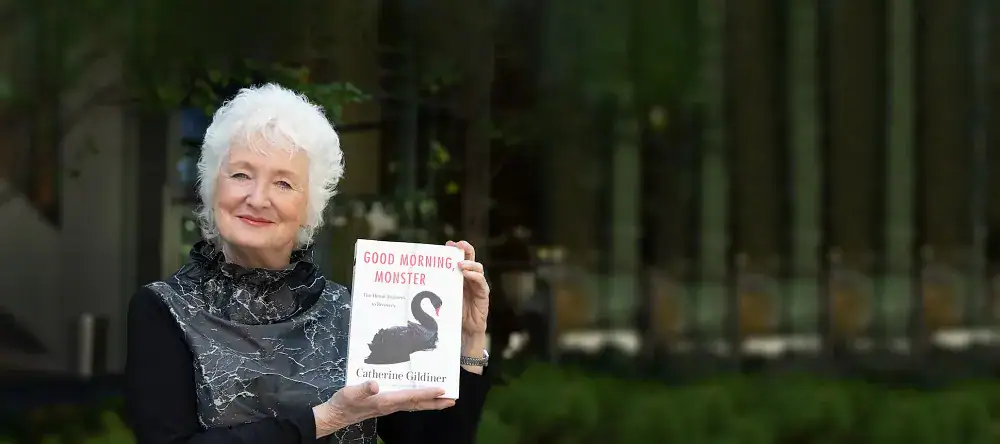
Find a quiet weekend. Make some tea. Put your phone down. Read it slowly. You’ll find pieces of yourself in these five stories.
