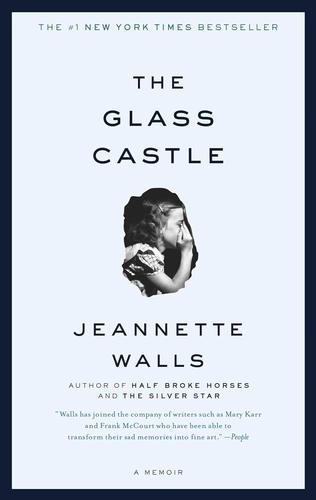
I wandered through an old urban neighbourhood recently and spotted a worn, shabby house. Its peeling walls and shut windows hid the sound of children laughing and playing inside the yard. The scene pulled me back to my carefree childhood and led me to The Glass Castle by Jeannette Walls. The memoir presents an unusual but authentic childhood, prompting reflection on family, freedom, and resilience.
Jeannette narrates her own rough upbringing. Her father dreamed of building a glass castle, while her free-spirited mother often ignored practical daily struggles. What strikes readers most is not constant poverty or an unstable home, but her parents’ outlook on life. They clung to romantic ideals amid messy, risky realities. Jeannette and her siblings grew up with frequent neglect, yet their childhood was woven with lasting affection and warmth.
Small vivid details touch me deeply. Even when the family could barely afford meals, the father taught his kids to identify constellations in the night sky, and the mother guided them to appreciate great literature. Jeannette never criticises her parents’ poor choices harshly. Instead, she portrays complicated humanity that stirs both sympathy and understanding. One line stays etched in my mind:
“You can’t cling to the side your whole life—you have to step into the stream.”
Life keeps moving forward, and growth forces us to make tough choices.
Reading it reminded me of my own childhood. Money was tight back then, and my busy parents rarely tended to my tiny troubles. Yet that unstructured freedom helped me grow independent. Every family mixes flaws and gentle affection in its own messy, authentic way. Jeannette’s grit and dry humour prove children can draw inner strength from love and faith no matter how harsh circumstances get.
Warm humor punctuates the book’s heavier themes,offering relief amid hardship. The father’s wild fantasies, the mother’s odd stubbornness and the children’s quick, witty comebacks add bright spots to their tough story. Some readers find repeated tales of the parents’ bizarre choices drag the pace and require patience to unpack layered feelings. Still, this unhurried flow lets each small moment and emotional shift sink in, matching the slow pace of real life.
Above all, the book teaches more than endurance against hardship. It invites reflection on freedom, dreams and personal choices. It reminds me life is never perfect, yet love, resilience and hope always exist within it.
As I passed the run-down house again and watched sunlight fall by its windows, I thought of the glass castle’s gap between dream and reality. A soft, firm thought settled in my heart: life holds imperfections, yet every single experience shapes who we truly become.
