The first week of kindergarten, my son curled into a ball in his booster seat, arms wrapped around his backpack. He wouldn’t unbuckle his seatbelt. “I’m not going,” he said. Other kids streamed past. The bell rang.
If you’re searching for how to help a kindergartener with separation anxiety, I know how helpless those school mornings can feel. The crying, the stomachaches, the “I don’t want to go” — here’s what finally helped. The goal wasn’t to make him fearless. It was to help him feel safe enough to walk in anyway. Just a few small routines that made the difference.
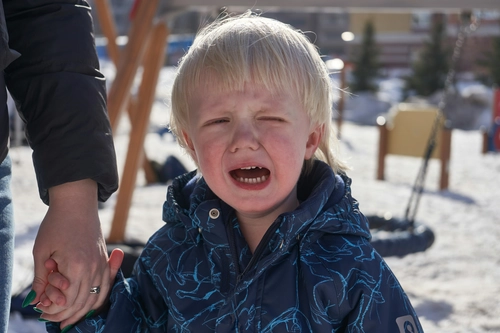
What Separation Anxiety Actually Looked Like for Us
Some kids cry every morning at drop-off. My son went quiet. He’d shut down in the car, no tears, just silence. That was somehow worse than tears.
Other signs we saw:
A stomachache every single morning (the doctor found nothing wrong)
The same questions on repeat: “What time will you pick me up? What if I need you?”
Following me from room to room before school
Some mornings he flat-out refused to go into the classroom
Once I realized these were anxiety, not defiance, I stopped taking it as a personal failure.
Why Kindergarten Drop-Offs Feel So Overwhelming
A child psychologist explained it this way: by age 5 or 6, kids know you have your own life — work, errands, a world that doesn’t always include them. That sounds grown-up, but it actually makes separation harder. They can imagine all the things that might go wrong while you’re gone.
Suddenly, kindergarten doesn’t feel like school anymore. It feels like separation. And for a lot of kids, that’s terrifying.
The good news: it usually gets better.
5 Things That Helped My Son Feel Safe at School
1. A Goodbye Ritual That Finally Clicked
What finally helped most was giving him something to do instead of something to fear — starting with a boring, predictable goodbye.
We tried a secret handshake — he forgot the moves and got frustrated. Then we switched to two hugs and a high-five, plus the same phrase every single day: “See you at pickup. Love you.”
Same words. Same tone. Every day.
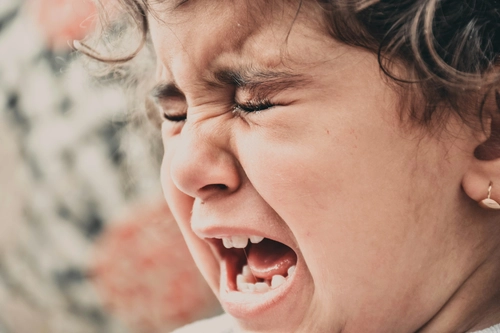
One morning I forgot and just said “bye.” He froze, then started crying. That’s when I knew how much he needed that boring, predictable routine.
2. A Morning Routine That Wasn’t a Race
I realized rushed mornings made everything worse. When I was stressed, he got more anxious. So I started waking up twenty minutes earlier.
What helped:
Laying out clothes the night before
A simple checklist he could check off himself (get dressed → eat breakfast → brush teeth) – that tiny sense of control made a surprising difference
If he refused to get out of the car: I stopped fighting in the car. I’d open the door, say our phrase, and give him a small job.
3. The Drop-Off Job That Changed Everything
Instead of just handing him over, I started giving him a mission:
“Can you open the door for us?”
“Can you hang up your backpack and wave to me from the window?”
“Can you show me where the goldfish tank is today?”
He had something to do, not just something to feel sad about. The first time I tried it, he hesitated, then walked in to find the window. He waved. I waved back. No tears.
4. A Transition Object That Didn’t Feel Babyish
At 5, a stuffed animal felt too young. So we tried:
A tiny heart drawn on his wrist with a marker: “When you miss me, look at the heart.”
A small family photo tucked into his backpack pocket
A Lego keychain on his backpack — his teacher told me she’d see him touch it during morning meeting. Just a quick touch, then back to listening.
5. Partnering With the Teacher
I also realized I couldn’t do it alone — his teacher became part of the routine too.
I asked her for three things:
Greet him warmly at the door every morning
Give him a small job right away (water the plant, pass out napkins)
Send me a quick text if he was having a good day
Knowing someone else was looking out for him made me feel less alone. Most kindergarten teachers have seen this many times — they want to help.
What Made It Worse (Mistakes I Made)
Staying too long: I thought extra hugs would help. They didn’t. Once I committed to a 30-second goodbye, he calmed down faster.
Sneaking out: I tried this once. He spent the whole morning asking where I went. Never again.
Letting him stay home because of a stomachache: It felt kind at the moment. But the next day was always harder. Unless he had a fever, I started sending him anyway.
Asking “were you brave?” at pickup: He’d say no and feel like a failure. I switched to “What was something fun today?”

When It Got Better (And When It Came Back)
Around week six, something shifted. He started walking into the classroom without looking back — not every day, but most days.
Then winter break came. Two weeks at home, then the first day back was a disaster. Crying, clinging, the whole thing. I thought we had failed.
But the recovery was faster. The second day was a little better. By the third day, he was waving from the window again.
That’s the thing with separation anxiety. It’s not a straight line. The setbacks never disappear completely. They just get shorter. You both learn you can survive them.
Frequently Asked Questions
How to help a kindergartener with separation anxiety stop crying at drop-off?
Start with a short, consistent goodbye ritual (30 seconds max). Add a small job — like hanging up their backpack or waving from the window. Predictability matters more than creativity.
Why is my child fine once I leave?
This is one of the most common questions parents ask. The teacher often tells you your child stopped crying two minutes after you left. That happens because the trigger is you leaving, not the school itself. Once you’re out of sight, the anxiety often fades quickly. The tears aren’t fake — they’re real in the moment — but children usually recover fast when they shift their attention to a new activity. Knowing this can help you walk away without guilt.
What are the best ways to help when a child refuses to get out of the car?
Don’t fight in the car. Stay calm, open the door, use your goodbye phrase, and give them a simple mission (“Can you carry my water bottle to the door?”). If they still refuse, ask the teacher to come out — most are happy to help.
How long does this phase usually last?
For most kids, 2–4 weeks of consistent drop-offs. If it’s still happening every day after a month — especially crying for an hour or more — talk to your pediatrician.
Should I force my child to go to school if they’re crying?
In most cases, yes — with empathy, but firmly. Avoidance makes anxiety stronger. Walk them in, do your 30-second goodbye, and trust the teacher. If they have a fever or are vomiting, keep them home.
Most children don’t need to stop feeling anxious before they can go to school. They just need enough support to walk in despite the anxiety.
When to Seek Extra Help
According to the American Academy of Pediatrics (2021), about 5–10% of children experience separation anxiety severe enough to interfere with daily life. Seek professional help if:
Your child has been in school for over a month and still cries for an hour every day
They’re having real panic attacks (trouble breathing, shaking, vomiting)
They completely refuse to get out of the car after multiple weeks
The anxiety spreads to birthday parties, playdates, or even playing in another room
Professional support (CBT, play therapy) is effective. It’s not a failure — it’s information.
One Last Drop-Off
Last week, I dropped my son off at kindergarten. He was already talking to a friend by the door. He glanced back, gave me a quick wave, and walked inside.
I still remember those first awful weeks. The crying, the guilt, the feeling that I was the only mom whose kid couldn’t handle kindergarten. But somewhere between the keychain and the heart on his wrist and the phrase I said every single morning, something shifted.
If you’re also parenting a younger child, you might find our guide on toddler separation anxiety helpful. Or if you have a 7-year-old struggling socially, see 7 year old feeling left out at school. And if you’re dealing with a clingy toddler during the day, our clingy toddler article covers similar strategies.
One day, you’ll realize you made it all the way through drop-off without sitting in the parking lot afterward trying not to cry. And that day will sneak up on you faster than you think.
References
American Academy of Pediatrics. (2021). School Anxiety and Separation Anxiety in Young Children.
Zero to Three. (2020). Separation Anxiety: Why It Happens and How to Support Your Child.
CDC. (2023). Anxiety and Depression in Children.
Disclaimer
This is my personal experience, not professional advice. If your child’s anxiety is severe, please talk to your pediatrician or a child therapist.
