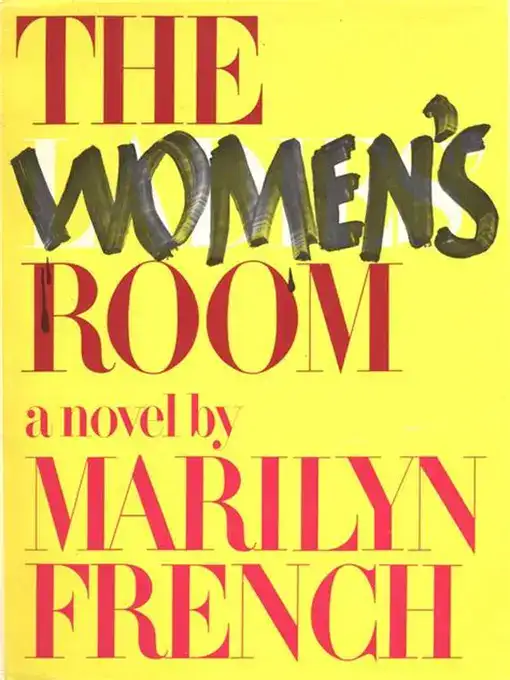
There’s a line in The Women’s Room that made me stop for a while:
“To destroy a woman, you don’t even need to hit her; you just need to marry her.”
It stays with you. It follows Mira through her whole life.
At fourteen, she was already reading Nietzsche, and on the first day of school, she had finished all her textbooks. That kind of focus stands out. If she lived today, she would likely end up at a top university. But in 1930s America, her mother pointed her toward a different future, one that centered on marriage into a stable family. Mira tried to fight, then slowly gave in. Marriage came. Then children. Then a large house. Life moved forward in a steady rhythm. From the outside, everything looked right, almost like a model life for that time. Once you read the book, a different picture forms. She is coming apart quietly.
Mira quietly loses herself in a life others consider fortunate.
Mira tries to talk with her husband about what she reads, and he brushes it off with a quick comment. She brings up the idea of going back to school, and he answers with concern about the people there. His tone stays calm. The result stays the same. Her days fill up with cooking, laundry, and care work, and the books she once loved sit untouched for longer and longer stretches. What makes it harder to name is the shape of her life. Her husband acts polite and steady, and over time, her world grows smaller through a series of small choices that keep her close to home. Her life begins to orbit other people’s needs, while her own voice fades into the background.

The security of living someone else script can never fill the emptiness inside.
By this point, her situation comes into focus. She follows a path shaped by others, first by her mother, then by her husband. She hands over her choices and receives a kind of safety that the world around her respects. The script comes from someone else, so even when she plays her role well, something inside her goes quiet. This feeling reaches beyond her story. Many people know it. Life looks fine on the surface, yet something feels slightly off, like a note that does not quite land. That gap can grow when daily choices move further away from what you actually want.
The awakened woman regains control over her own life choices.
Later, the story shifts. Her husband’s affair leads to the end of the marriage, and Mira makes a decision. She leaves and returns to school. The book keeps its tone steady and grounded. Her life stays complex. She deals with loneliness and real pressure. Still, one thing has changed clearly. She takes back her right to choose and begins to shape her life with her own judgment. This is what awakening looks like here. It unfolds over time. Step by step. Each step brings a clearer view, along with some pain. Mira spends years giving up her choices, then spends years taking them back. If you ever feel that quiet disconnect inside, this story offers a place to start. Ask one question. What do you want?
