Imagine: you walk into a room where everyone is acting. Someone was chatting with a wine glass, but his eyes were secretly calculating; someone smiled and complimented you, turned around and sold you. Then the door opened and a man came in – he was poor and rustic, and there was a real sincerity in his eyes. This is the moment when Prince Myshkin entered the aristocratic circle of Petersburg, and The Idiot tells the story of how this person drove the whole room of “smart people” crazy.
From helplessness to shame: two different stubbornness
When I was a child, I always felt that the good people in masterpieces would be treated gently by the world in the end. The beautiful qualities of purity, kindness and sincerity should be cherished by everyone. But after reading this book, I found that the reality is not like this at all, and it is even a little heartbreaking. Just like the sincerity of Prince Myshkin, in the eyes of those “smart people”, it became ridiculously “stupid”.
In the world of this book, there are no absolute good and bad people, and there are cold utilitarians and selfishness everywhere. Prince Myshkin is pure to the bone. He is kind and soft-hearted and can sympathize with everyone. In return, he has been used, ridiculed and let down again and again. I suddenly understood a very powerless reality: in this world where everyone is busy calculating gains and losses and chasing fame and fortune, people who are too pure and don’t know how to be smooth will never be seen. Those people are not bad, but in their eyes, interests and face are always more important than a carefree innocence. This familiar feeling suddenly woke me up – isn’t this what we look like in reality?
And Nastasya is completely different from Myshkin. She is sober and stubborn. She sees through the hypocrisy of the world and the routine of those nobles, but she does not cater to it. The world labeled her, kidnapped her with morality, and bound her with rules, but she never cried to show weakness, nor did she deliberately flatter, and only resisted all this in her own way. When I read this, I admired her stubbornness and felt a little ashamed: How long have I not had such courage? In the face of unreasonable rules and unwarranted prejudices, I will only compromise silently, only tell myself “forget it”, and never dare to say “no” bravely.
From escape to relief: My reconciliation with myself
Seriously, when I first flipped through this book, I just wanted to hide from the bad intentions in reality, but I didn’t expect to be pulled back to reality by it. Every time I close the book, I can’t help but think about it against my days: those hypocritical human affairs in the workplace, those helpless prejudices in life, and myself, in interpersonal relationships, don’t I often dare to reveal my true heart like Myshkin, and can only carefully disguise myself? But strangely enough, after reading this book, I didn’t feel more depressed, but felt much more relaxed. It didn’t make me forget the bad intentions of reality, but made me understand the complexity of human nature from a different perspective. Not everyone is worthy of our sincerity, and not all kindness can be responded to.
Dostoevsky is really good at writing, writing the absurdity of human nature and the dilemma of kindness in a straightforward way. He wrote about the purity of Myshkin and the stubbornness of Nastasya, just like talking about the people around us. It’s so real that it’s suffocating, but he can’t help but sympathize. There is a sentence in the book that I have always remembered after reading it:
“When kindness becomes an alien, when it is purely regarded as stupid, is it the fault of naive people, or the worldly rules themselves have long been distorted?”
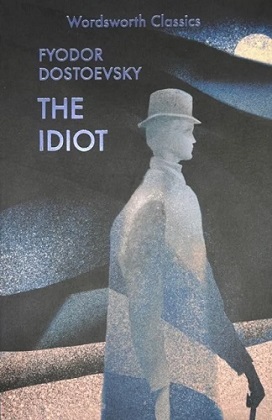
When I read masterpieces when I was a child, I only felt that the plot was ups and downs, and I only envied those legendary characters; when I grew up, I read The Idiot again, and only then did I understand the helplessness and sadness behind the story. It’s not that the book has changed, but that we have experienced the coldness and warmth of reality and finally understood the people’s hearts hidden in the words. The world will not become gentle because of a novel, nor will it treat us kindly because we are pure. But after reading The Idiot, I learned to leave a small house for myself. When you walk in, you can take off all the masks and be the one who doesn’t calculate. This room doesn’t have to be perfect. It also allows secular utilitarianism, the coolness of people’s hearts, and also allows ununderstood kindness and stubbornness.
When I looked at the bad things in reality from the perspective of this book, I suddenly reconciled. It turns out that even if the world is complicated, we can choose not to blindly follow or cater to it, and be a pure and sober person. It’s better to be clumsy and lonely than to lose yourself.