As a parent, who hasn’t seen their children lose their temper? But many parents will whisper in their hearts: it is normal for children to be naughty occasionally in a bad mood, but when did they start to lose their temper, and really fall into anxiety? If you often can’t help asking yourself: Is my child’s abnormal behavior already a sign of anxiety? Well, today’s article will answer your question. I will help you understand the child’s anxiety at a glance. Later, I will also teach you how to soothe and guide your child, and help your child get over the emotional difficulties smoothly.
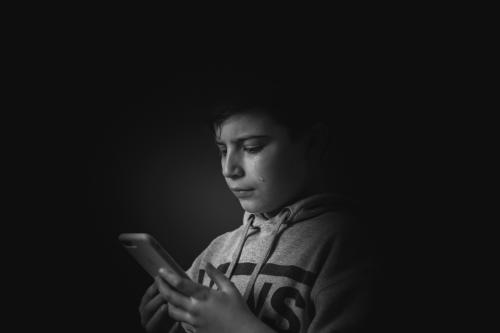
How to judge whether a child has anxiety?
Many parents can’t tell whether their children are simply angry, wayward, or have fallen into child anxiety?Just check the following 3 dimensions one by one, and see how many signs your child has shown. The more signs match, the more obvious the anxiety tendency will be!
Article 1: Always talk about “what if” situations and imagine all kinds of bad results.
Anxious children always have countless endless hypothetical worries in their minds, always asking all kinds of “what if…”.For example, they often say inexplicably and repeatedly ask: What if no one picks me up from school tomorrow? What if there is a tornado and an accident? What if the house catches fire? What if a stranger breaks into the house?It’s not that children are rich in imagination, and they don’t just like to ask questions. They always imagine dangers and repeatedly dwell on things that haven’t happened. It means they lack a sense of security and feel anxious inside.
Article 2: Frequently complain about stomachache and headache, but no physical problems can be found.
This is too common! Obviously, the child is in good health, but when it comes to important moments: it is time to go to school, it is time to take the exam, or going to a strange environment. They immediately shout: I have a terrible stomachache and I feel so dizzy.All examinations taken in the hospital were normal. There is no illness or inflammation, but when facing pressure and unfamiliar scenes, the body feels uncomfortable for no reason. Don’t think the child is pretending to be sick and lazy. This means that children can’t express their emotions, and anxiety has turned into physical reactions.
Article 3: Endlessly ask for praise and recognition, and pay special attention to adults’ evaluations.
This kind of child looks sensible and well-behaved, but in fact, they are extremely insecure inside.After doing a little thing, they keep asking adults: Mom, do you think the paintings I painted are very good? Do you like it? Did I do well? I’ve put away my shoes. Is it right to do this? Isn’t it very good?No matter what they do, they must get the affirmation, praise and recognition of adults to feel at ease. They can’t stay relaxed without adults’ recognition for a moment. Habitual self-doubt is also a typical anxiety characteristic.
Did you find that the child has signs of anxiety? Here is how parents guide their children.Once you find that your child does have these signs of anxiety, don’t ignore them anymore. I will teach you 5 simple and easy-to-use methods, which can be used in daily life, to help children slowly relieve their anxiety and calm down.
1. Help children develop a fixed routine and have a regular life so that they don’t panic.
Children suffering from anxiety feel most scared by unpredictability and uncertainty, and may overthink in confusing situations. When the daily schedule is properly planned and followed, the child will have something to look forward to, and their anxiety will decrease naturally.
You may do as follows:
Fixed schedule: eating, getting up, sleeping, doing homework, playing games — all at fixed hours and follow the rules steadily.Leave a few minutes of free time each day to breathe deeply, play some easy games, and read picture stories. Just make the child feel relaxed and de-stressed.
As an illustration:
Many children become anxious at the start of classes. They cannot get out of bed, cry, and complain that they do not want to attend classes, and always claim having a stomachache.You should develop your morning routine: set your child’s waking up and breakfast time, and you may spend ten minutes breathing together, talking about some simple things, and then going outside.In order to sleep peacefully every night before going to bed, stay with your child to listen to some short stories and do a little quiet meditation.All aspects of life are systematically arranged. In this way, children will be able to predict their daily activities, gain a sense of control in their minds, eventually they will no longer feel scared and fearful.
2. Communicate with your children in more detail and enable them to voice out their grievances.
Generally, anxiety-filled children prefer to keep all their concerns hidden inside themselves. Fear, nervousness, and grievances stay in their hearts and make them even more sensitive to everything around them. As a parent, you should first try to open up yourself and communicate effectively with them to improve this state and help them cope with their emotions.
For that purpose, follow the technique mentioned below:
Stop the lecturing and start listening.Gradually allow the child to convey the fears and nervousness that lie deep within their heart, teaching them to choose proper words to articulate their feelings instead of simply crying or getting angry.
As an instance:
If the child does not dare to approach their peers voluntarily and fears interacting with them at school, you may chat with them gently after dinner and say, “Is there anything that happened at school today that made you feel nervous and anxious?”If the child is ready to speak up about their feelings, do not try to interfere, do not attempt to refute, but assist them in sorting through their emotions, and let them know they should not feel ashamed of their feelings. Eventually, they will learn to vent their emotions.
3. Gradual desensitization helps children face fear little by little.
Do not try to push your child past their fear in one day. The more pressure you add, the more they resist, and the stronger their fear will become. Proceed gradually and adapt step by step, starting with the easiest and stress-free situation, until the child feels confident enough to overcome fear.
Here is an example of how to achieve this objective:
Take small and easy steps to start with what the child accepts easily, and slowly increase the level of difficulty without haste.Praise and encourage the child for every progress made to give them the confidence they need.
For instance:
Children are very scared of the new school and want to stay away from the school gate. You do not necessarily need to drag them into the school straight from the gate.Instead, you could take them to play in the park near the school and gradually make them accustomed to the surroundings, and then bring them closer to the school gate, wait there, and see other kids pass in and out before walking into the campus together.Every small breakthrough should be praised. The child will gradually let down their guard and slowly overcome their anxiety.
4. Give more positive affirmation to the child and help them build confidence.
Children who suffer from anxiety usually have low self-esteem and lack inner security. They always think that they cannot accomplish or control anything. Parents need to recognize their efforts and set smaller goals for them to help build enough confidence in themselves. Once they have built up enough confidence, their anxiety will ease gradually.
How can this be accomplished?
Set up small achievable goals for your child. Do not set goals too high, as this might make them frustrated.Once the child is making progress and working hard, always recognize them and give sincere affirmation.
For instance:
A child may feel nervous whenever they start their homework. They may even worry that they will never be able to finish it.The child’s homework can be broken into smaller tasks, and they only need to focus on one subject at a time; hence, they do not have to think about all the homework at once.Praise the child whenever they finish a task, or reward them by allowing them to watch cartoons or have snacks. Gradually, the child will realize that they can finish the work well and no longer feel scared or nervous.
5.If it is a severe problem, do not endure it. Seek professional assistance immediately.

When a child suffers from severe anxiety: they do not want to attend school anymore, refuses to socialize with other children, sleeps poorly, has frequent emotional breakdowns, and anxiety has severely affected their studies and normal life. In this case, parents must seek professional help immediately.
Specifically, you can do this:
If self-regulation has no effect and there is no improvement for a long time, take your child to receive professional psychological assessment and guidance as soon as possible.The family should provide companionship and support throughout the process, cooperate with the guidance of professional teachers, and help the child get out of emotional depression together.
For example:
Parents have tried everything they can do, but the child still shuts themself off, doesn’t want to make friends, can’t attend classes normally, and stays depressed every day. Don’t delay at this time, and take the initiative to find a child psychology expert for intervention.Parents should learn the correct guidance methods from professional teachers, and do a good job of companionship and cooperation at home. The combination of the two will help children get better faster.
Finally, I want to say
On the way to growing up, it is normal for children to have a little emotion and anxiety. However, once anxiety gets out of control and affects daily schooling, making friends, and life, parents must pay attention to it and not ignore it.With the above methods of daily guidance and patient companionship, most children can slowly calm down their emotions and regain their sense of security. If you really can’t handle it and daily adjustment doesn’t work, you must learn to ask for help from professionals in time, and don’t delay your child.
