A fugitive runs a free clinic in Mumbai’s slums. His best friend is a gangster boss. He’s in love with a mysterious woman.
This isn’t a new Netflix show. It’s Shantaram. A 900-page autobiographical novel. The author, Gregory David Roberts, was that fugitive. He escaped from an Australian prison and lived eight years in India’s underworld. He says 90% of the book is true. The other 10% isn’t made up. He just doesn’t remember.
The first time I saw how thick it was, I put it back on the shelf. Later a friend shoved it into my hand and said, “Read the first fifty pages. If you don’t like it, you can yell at me.”
I read thirty. Couldn’t stop.
A gangster boss teaches you how to live
The best character in this book is Khaderbhai. He runs the Mumbai mafia. Smuggling. Fake passports. Every morning he wakes at 4 a.m. to pray, reads Persian poetry, and after a single cup of tea, sends men to collect protection money. He’ll talk philosophy—”Fate is a woman’s name”—then turn around and make a traitor disappear from Mumbai.

Khaderbhai doesn’t take followers. He takes family. He tells Lin, “You can live here. Eat my food. Spend my money. But remember—anyone who betrays me dies slowly.”
You’ll find yourself liking a gangster boss. Worrying for him. Feeling happy for him. Even agreeing with some of his twisted logic.
Then you stop and ask yourself: What’s wrong with me?
That’s what Shantaram does. It tears off the good-guy/bad-guy labels. It drops you in the mud of Mumbai’s slums, surrounded by smugglers and prostitutes, and tells you: these people are more human than anyone you know in an office building.
Mumbai isn’t a backdrop. It’s a breathing thing.
Gregory David Roberts doesn’t write India like a tourist. He lived in the slums. Indians saved him. He also hurt them. He knows how messy, how dirty, how loud this country is. And he knows that on your worst day, someone there will hand you a cup of tea.
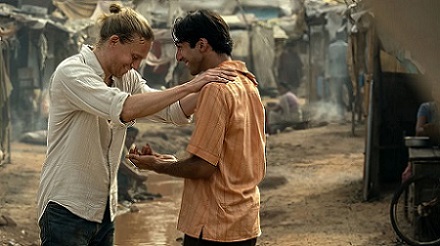
He writes about Mumbai’s rainy season. The rain doesn’t fall from the sky. It attacks from every direction. You’re soaked in three seconds. But you don’t run, because everyone is laughing in the rain.
He writes about slum kids circling a sugarcane cart. The ones who can’t afford it just stand there watching, eyes full of light. At closing time, the cart owner cuts the last few sticks into small pieces. One piece for each kid. That one piece keeps them sweet until bedtime.
He writes:
An Indian says “No problem.” Maybe it means no problem. Maybe it means the problem is so big he just can’t bring himself to tell you. You never know. So you have no choice. You trust.
I read those lines and thought: you have to live in this country for eight years to write a sentence like that.
Some books follow you home
I first read Shantaram on a long flight. Twelve hours. Two bites of airplane food. Two trips to the bathroom. The rest of the time? Just turning pages.
When we landed, the pilot said it was 100° outside. I looked out the window, still thinking about the Mumbai rain.
The book is slow. Sometimes a whole chapter is just two men drinking tea on a rooftop. But you’re never bored. Their conversations are better than any gunfight—about life, about crime and punishment, about whether a person can start over.
Gregory David Roberts has one idea I love. He says every person has three versions. The one others see. The one you think you are. And the real one. They never match.
Your job isn’t to make them the same. It’s to live with the fact that they’re different.
A fugitive in a Mumbai gang hideout figured that out. You don’t need to escape from prison. You don’t need to join the mafia. You just need a weekend, curled up on the couch, to let this man take you to a world you’ve never been to.
When you come back, you might see yourself a little differently.