Let me tell you about my son. When he was three, he threw a piece of toast across the kitchen like he was pitching in the World Series. Then he threw his spoon. Then he threw himself on the floor. All because I put scrambled eggs next to his strawberries. The eggs touched the strawberries. Apparently, that was a crime.
I’m a feeding therapist and a mom of two. I’ve seen this in my own kitchen and in hundreds of other families’ kitchens.
The most common mistake I see parents make when feeding their kids — especially toddlers — is putting everything they want them to eat on one plate, making that the only option, and expecting them to eat it.
So here are two completely different ways to fix it. The first one is about how you set up the table. The second one is about letting them make a mess.
Method 1: Put Food in the Middle
Most parents pile everything on one plate and hand it to their child. A mountain of food. A wall of pressure. The child looks at it and thinks, “I have to eat all of this.” So they say no before they even try.
Here’s the fix: Do not put everything you are offering them on their plates. Put one thing on their plate and serve the rest of the food family style. Put the fruit in a bowl. Put the vegetable in another bowl. Put the main dish in a big bowl. Set everything in the middle of the table.
Kids love control. Even more so when it comes to their food. When the food sits in the middle, your child gets to choose. That one change flips everything. They are no longer being told what to eat. They decide for themselves. A child who feels in control gets curious. A curious child might touch that broccoli. Or smell it. Or — on a good day — put it in his mouth.
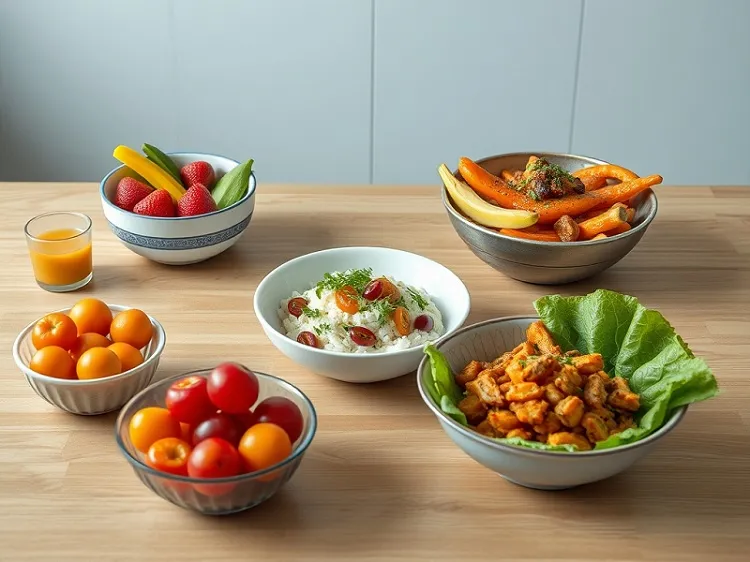
Setting yourself up for success by offering things family style will make them much more interested in trying new things — or even eating something they’ve had before, just served a different way. You are not forcing. You are inviting. Kids say yes to invitations much more often than they say yes to orders.
This is a tip that you should see work on the very first try. So let me know if you try it and what questions you have. You’ve got this.
Method 2: Let Them Get Messy
My son has always hated apples. He would cry if an apple came within two feet of him. So I stopped trying to make him eat it. I changed the goal entirely. The goal became: trying to touch different textures on hands.
Here’s what I did. I put a small piece of apple on his plate. I take pressure off by not demanding that he eats. I didn’t say “take a bite.” I didn’t even look at him. I just sat next to him and ate my own food.
He pushed the apple away. I didn’t react.
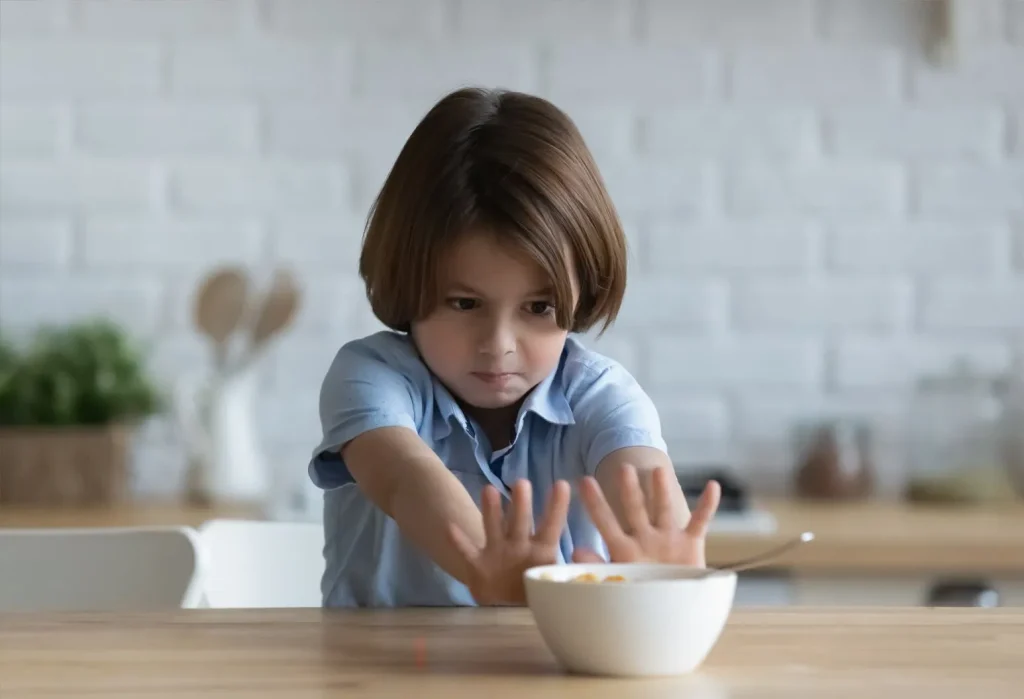
I put it back. I even offer to wipe off the food with a napkin — so he knows there’s an escape if the texture feels bad. That napkin is his safety net. Once he knows he can wipe his hands, he is more willing to touch.
I am allowing him to get messy and letting him bring the food to his own mouth — not force-feeding. No hand-over-hand. No “just one bite.” No airplane spoon. His body, his choice.
The first week, he touched the apple with one fingertip. Then he wiped it off immediately. I called that a win. The second week, he picked it up. Held it for three seconds. Put it back. Win. The third week, he brought it to his lips. Didn’t bite. Just touched his lips to it. Win.
He has an extreme aversion to apples, so I get him to touch the food by removing it from his plate — and he does! I took the apple piece off his plate and placed it on the table next to him. Lower pressure. Less threatening. He reached for it. On his own.
What a win today. This is what feeding therapy should look like!
Try one of these tomorrow. Either put the food in the middle, or let them get messy. Pick one. You’ve got this.