My best friend still has a text message from her ex-boyfriend — from ten years ago. Four phones later, she still backs it up. She says she’s not still in love with him. She just wants to remember what it felt like to be treated that way.
My husband is forty. He’s still talking about the business he messed up when he was twenty-three. “If I had signed that contract” — that’s how every single one of his drunken rants begins.
And I know someone else. Myself. It took me a long time to stop replaying one conversation — the thing I didn’t say, the moment I should have pushed back but didn’t.
You have a scene like that too, don’t you? One mistake. One loss. One thing you shouldn’t have said. Or one thing you should have said but didn’t. You think you’re remembering. You’re actually reliving it. You think you’re processing it. You’re actually punishing yourself.
This article is for you and me. About one thing: how to stop living in the past.
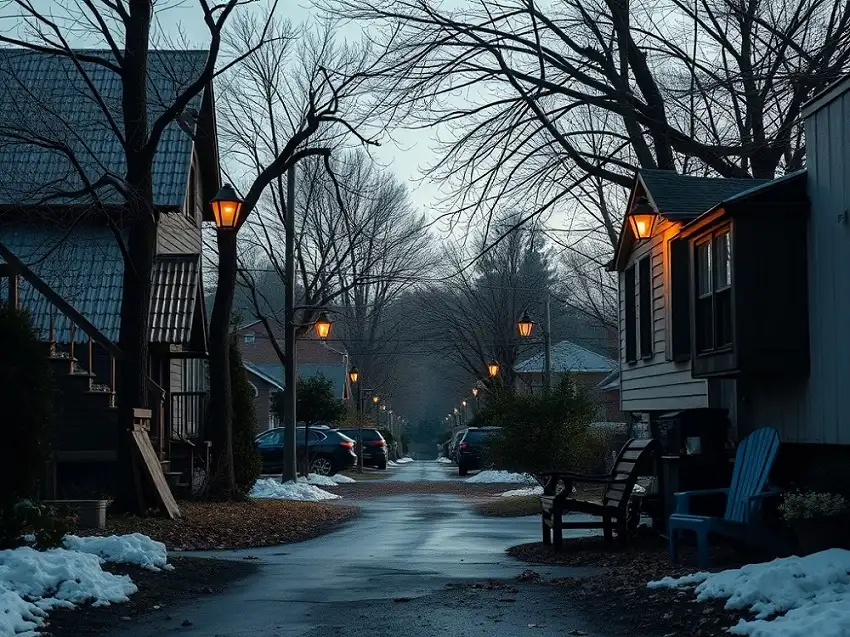
Here’s the truth. People who live in the past usually aren’t doing it because they’re nostalgic. They’re doing it because the present is boring.Your brain loves stimulation. If your current life doesn’t have enough challenge, enough anticipation — your brain goes digging through old files. Even pain becomes stimulation. Regret is stimulation. It’s more addictive than binge-watching a show, because self-blame makes you feel like you’re thinking — like you’re doing something serious.You’re not stuck because you can’t let go. You’re stuck because you haven’t found anything more interesting than letting go.
Method One: Charge yourself an admission fee
Every time you want to replay that painful memory — the breakup, the failed presentation, the words you never said — pay a fee.
How? Do one small thing you hate. Ten pushups. Splash cold water on your face. Wipe down the kitchen counter. Organize your sock drawer.
Simple rule: you want to watch the memory? Fine. Work first. The more painful the memory, the longer the work.
Guess what happens next? You don’t stop wanting to replay it. Your brain just starts thinking: this memory costs too much. You are not avoiding the past. Your brain is just learning to stop feeding it. Your brain hates paying a price. It will automatically lower that memory’s priority.
Method Two: Turn the past into a fuzzy radio signal
Ever drive out to a remote area with the radio on? The signal gets weaker. The music is still there, but now it’s buried under static. You can still hear the melody, but you can’t catch every note anymore. Eventually, you change the station.
Use that image for the memory in your head. Don’t try to turn it off. You can’t. But you can do one thing: turn down the volume. And turn up the static.
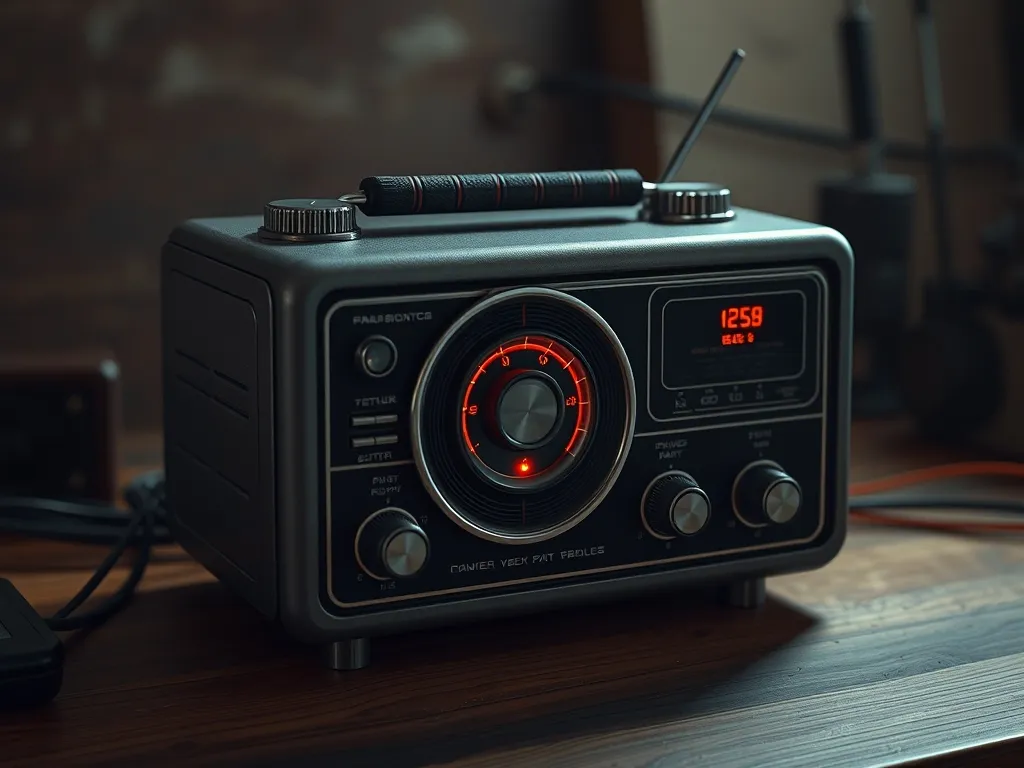
How? Every time the memory starts playing, add a noise on top of it. A stupid jingle from a commercial. Or deliberately count in your head — one, two, three, four, five — loud. You’re still hearing the memory. But you’re layering a second track on top of it.
The first week, the memory and the noise will fight each other. But after a week or two, your brain notices: the signal quality on that memory has dropped. It’s no longer a high-definition video that makes your chest tighten. It’s a blurry, staticky background noise.
You’re not avoiding it. You’re adding static. Once the signal gets fuzzy, your brain’s grip on it loosens. This is how memory circuits weaken over time — your neurons can’t find the original clean circuit anymore.
Method Three: Hold a mock funeral for your old self
This sounds crazy. But seriously consider it.
Pick a weekend afternoon. Take a piece of paper. Write: “The old me — the one who messed up [fill in the thing].” Then do a small ceremony. Fold the paper. Put it in a shoebox. Write a date on the box — today’s date. Then put the shoebox on the top shelf of your closet, or on a shelf in the garage.
Tell yourself one thing: that version of you just retired. Not deleted. Not dismissed. Retired. You thank them — because they taught you something important. But they don’t have to show up for work every day anymore. Your current job is the new you.
Every time your brain starts replaying the past, say quietly in your head: They’re retired. I’m in charge now.
The power of this method: it doesn’t deny the past. But it draws a line. A line you drew with your own hand. And anywhere there’s a line — that place is no longer a bottomless pit.
How to stop living in the past?
You won’t stop completely. The important parts of the past were never meant to be fully deleted.
But here’s what you need to know: Yesterday is already gone. Today’s page is still blank.
What do you want to do in the next five minutes? Don’t overthink it. Stand up. Walk to the fridge. Grab a piece of cheese. Stand in the kitchen and eat it. Just do that one thing.
You’ll notice something — for that one minute, you weren’t living in the past.