My friend said, “I worked overtime until midnight yesterday and didn’t see your message”, but when you browsed the circle of friends, he obviously saw that he liked other people’s dynamics at 8 o’clock last night; the partner said, “I went to dinner with my colleagues, and they were all the same sex”, and the tone was stuttering. You asked him what exactly he ate and where to sit, but he hesitated and couldn’t say it. ; My colleague said, “I didn’t have time to do this plan because I had something at home,” but you saw him touching fish and browsing videos the day before, getting off work earlier than anyone else. What’s more helpless is that you didn’t notice it at all at that time and foolishly believed it. It was not until later that you found the flaw.
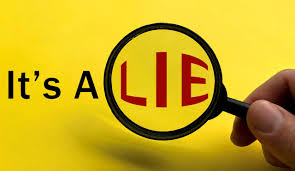
Today, I will introduce 6 ways for ordinary people to easily identify lies. I guarantee that you can use it after reading it!
Observe the micro-expression
Micro-expressions are unconscious reactions expressed by human faces, which can reflect the true emotions in people’s hearts. Especially when lying, micro-expressions will unconsciously reveal people’s tension, anxiety or uneasiness.
When you ask your friend, “Where did you go yesterday?” He said, “I’m at home and stay at home all the time.” But the moment you noticed that he answered, his eyes suddenly flashed and the corners of his mouth twitched slightly. This was a typical WeChat expression signal. This quick and unconscious reaction usually shows that he is a little nervous or uneasy.
For example, you asked your colleague, “Where did you go last Friday night?” His answer was: “I had dinner with my family, and then we watched a movie.” But you noticed that when he talked about “dinner”, his brows wrinkled slightly for a few seconds. Although he continued to smile, the frown usually represents his inner uneasiness. Maybe he didn’t tell you the truth completely.
Listen to the tone and speed of speech
Usually, liars will be too eager or delay answering, sometimes speeding up and eager to give an answer; sometimes they may suddenly slow down, showing hesitation and thinking, trying to cover up their inner uneasiness.
When you ask someone, “What did you eat last night?” He replied, “I… I ate… uh, pizza.” His answer was delayed for a few seconds, which seemed a little unconfined, which may show that he did not answer truthfully. And if his tone suddenly becomes urgent, indicating that he wants to end the conversation as soon as possible, it may also be a sign of lying.
For example, when you ask, “Have you talked to your boss about a salary increase?” The other party hesitated for a moment, and his tone suddenly improved and replied, “No, I haven’t talked about it!” If the tone becomes too urgent, even with a hint of sharpness and defensiveness, it may be covering up the truth.
Look at the body movements
When lying, people’s physical movements usually become unnatural, which is a manifestation of inner tension. The inconsistency or unnaturalness of body language usually reflects the true emotions of the liar.
If you ask someone, “Why are you late?” He said, “Nothing, I just overslept a little.” However, while answering, he kept rubbing his neck and his eyes dodged, and you could judge that he might be lying. Human body movements usually unconsciously show their emotions, especially when lying, nervous emotions are easily expressed through these small movements.
Or you can ask your friend, “Have you seen my bag? I can’t find it.” He immediately replied, “No, I haven’t seen it.” But in the process of speaking, his fingers kept stroking his ears and leaned back slightly. This action may mean that he is nervous, and these small movements in his body may be hiding his inner uneasiness.
Catch the loopholes in the details
A lie may be covered up, but the details often reveal its true situation. Liars often accidentally omit some key details in the process of description, or inconsistencies.
You asked your colleague, “Did you work overtime yesterday?” She replied, “I worked overtime and made several reports.” But you know, yesterday was Friday, and she usually leaves the company early on Friday. You asked her again, “What’s the content of that report?” She hesitated a little, “Oh, it’s… about the progress of the project.” Her answer is not only vague, but also unnatural. More importantly, the details she provided are inconsistent with the facts you know, which seems contradictory.
When you ask someone, “Where did you go on the weekend?” He replied, “I went to the museum and had dinner with my friends.” But you know that he has made an appointment to meet other friends on Saturday, and he didn’t mention any details of meeting with friends, which gives people a sense of inconsistency.
Pay attention to language logic
In order to cover up the truth, liars sometimes try to cover up their untrue parts with complicated language or too many explanations. Too much explanation makes the whole story look unreliable.
If you ask your friend, “Where did you go last night?” She replied, “I had dinner with my family, and then we watched a movie.” But her answer is too cumbersome, trying to give you the impression that you are busy, but every detail she says seems to be substantial, which makes you suspicious. For example, she will unconsciously add, “The restaurant we went to together is very good, and there are many dishes.” These additional details seem unnecessary, but rather unreal.
Look at the emotional reaction

When people lie, they usually experience a certain amount of anxiety or tension. This emotional reaction may be expressed in words or behavioral discomfort.
Suppose you ask someone, “Why are you angry?” The other party immediately became very excited and responded loudly: “I’m not angry! You are the one who makes trouble!” This excessive emotional response is often inconsistent with normal emotional response, indicating that he may be covering up some emotions that he does not want to face.
For example, you ask someone, “Did you meet her last night?” He looked very nervous, closed his mouth and replied quickly, “No, we didn’t meet.” His emotional reaction is not normal, but it is more likely to make you suspicious.
Finally, this sentence is for you:
Listen to what a person says, and it depends on what he avoids.
Many times, the part he didn’t say is the real answer. Next time you feel “what’s wrong”, don’t be in a hurry to deny yourself. Calm down and go through the above seven angles. You will find that your intuition is much more accurate than you think.