Last week my friend Jen told me her 2-year-old screams for an hour every time she leaves the room, even to go to the bathroom. “He won’t let anyone else hold him,” she said. “Our pediatrician says it’s separation anxiety. But I feel like something’s off.”
I’ve heard this from so many parents. The line between normal toddler clinginess and something deeper can be blurry. Learning the real signs of unhealthy child attachment in toddlers helped Jen. She stopped second-guessing herself and started making small changes that actually helped. Below are two warning signs that look like typical toddler behavior but aren’t.
1. Extreme vigilance instead of exploration
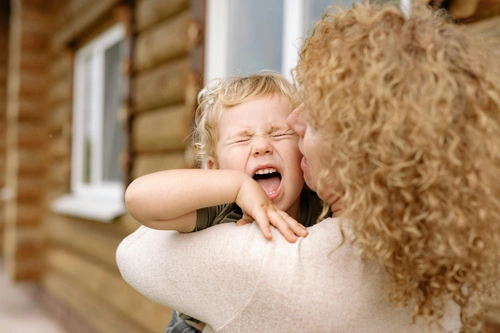
What you see every day: Your toddler stays glued to your side at the playground. Other kids run off to slide, but yours just watches you. If you move to a bench ten feet away, they stop playing and follow.
What’s actually happening: Healthy attachment gives a child a “secure base” — they check in with you, then go explore. Unhealthy attachment looks like constant monitoring. The child isn’t playing — they’re constantly on alert, as if their mind is telling them, ‘I can’t let Mom out of my sight, or something bad will happen.’
A real example: My neighbor’s 2-year-old, Mia, would freeze every time her mom put her down at a playdate. She didn’t cry – she just stood there, clutching a toy, eyes locked on Mom. The other kids were building block towers. Mia was building anxiety.
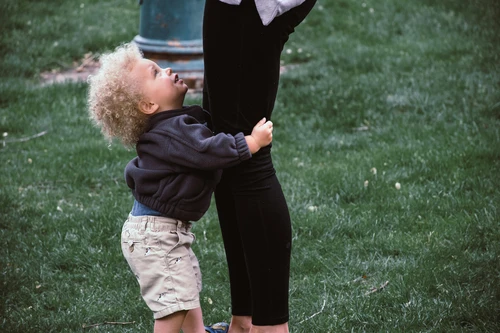
One small shift to try: Practice “short check-ins” at home. Say “I’m going to the kitchen, I’ll be right back” and go for ten seconds. Come back. Repeat. Gradually increase the time. The goal isn’t to leave them upset – it’s to teach them that you always return. If they never tolerate even ten seconds, that’s one of the clearer signs of unhealthy child attachment in toddlers worth mentioning to a pediatrician.
2. No stranger anxiety or the opposite extreme
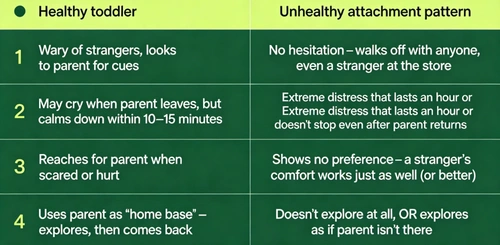
What this sign looks like: Most toddlers go through a phase of wariness around unfamiliar adults. But unhealthy attachment shows up in two opposite ways.
Healthy vs Unhealthy Toddler Attachment Patterns
Two extremes:
Extreme 1 – Indifference: The child doesn’t seem to care whether you’re there or not.
Extreme 2 – Inconsolable distress: The child can’t calm down even after you return, even when you’re holding them.
What’s happening: A toddler who doesn’t seem to care whether you’re there or not can actually be a sign that something’s off. Not always, but sometimes it means they’ve had enough inconsistent care that they stopped expecting adults to stick around. Attaching feels risky when people keep disappearing.
The other extreme is just as hard to watch: a child who can’t calm down even after you’re back, even when you’re holding them. It’s confusing for everyone. They want you, but something about being close also feels frightening to them.
What to do: Start by writing things down. Before you leave, what was happening? How did they react? What finally helped, and what didn’t? Even a few notes on your phone is enough. Bring it to your pediatrician. This doesn’t mean you’ve failed. It means your child might just need more consistency right now to feel like the world is safe.
Ending
Noticing this isn’t a judgment on you. Your kid is just showing you that something feels off, the only way they know how.
This can change. Using the same goodbye every time, practicing short separations, and showing up when you said you would may seem like small steps, but they add up.
Talk to your pediatrician if you’re concerned. You’ve got this.
