You just finished a day’s work. The mobile phone rang, and the group of friends had dinner. You want to say that you are tired, but you call it a good time.
On the same night, your child or partner asked if you could accompany them. You just want to lie flat, but your mouth says, “Okay, I’ll come right away.”
Late at night, you read an article about loving yourself, and an idea comes to mind: How am I qualified to take care of myself first?
If you are familiar with this feeling, you are not alone. The topic of self-care guilt on TikTok has more than 80 million views. People don’t lack reasons, but what they lack is a way not to feel guilty after doing it.
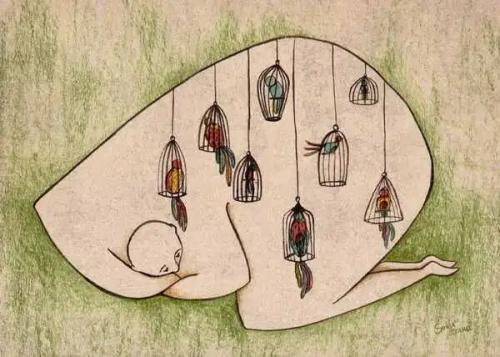
Do you have these 3 priority guilty manifestations?
- After rejecting others, you need to spend at least 30 minutes to calm yourself down. The brain keeps replaying: Is he unhappy? Should I agree? Obviously, I just said no, but it feels like I’ve done something wrong.
- When you spend time or money on yourself, you must first find a reason that is also good for others. You want to watch a movie, but convince yourself first: this movie is educational and can be told to children. It seems that making yourself happy is not worth mentioning.
- As soon as others are silent or sigh, you will automatically apologize.You didn’t do anything wrong, but the other party just didn’t reply. You began to think: Am I only thinking about myself again? Then send a sorry message.
If you get more than two, you are not selfish. You have just been trained to be a machine that gives priority to serving others.
Next, we don’t need big truths, but only three methods you can try tomorrow morning.
Method 1: Distinguish between guilt and shame
Guilt is doing something wrong, and shame is thinking that you are wrong.
Next time you feel uncomfortable because of rejecting others, open your mobile phone memo and write two sentences:
- What exactly did I do wrong? For example, I said I can’t do it this time.
- Did this act hurt anyone? Usually not.
Then write down the second sentence: Which part of me am I attacking? For example, my kindness and my value. You will find that your behavior is not wrong, but you are attacking your whole person.
This exercise is called the separation of behavior and identity, which separates my rejection this time from the idea that I am a selfish bad guy. Do it once a day, and the guilt will be significantly reduced after a week.
Method 2: Drawer metaphor
Someone once shared a sentence on TikTok: You must take care of yourself, but this does not mean that you have to put yourself in a drawer, but that you have to take care of yourself first.
Operation method: Take a piece of note paper and draw two squares.
- Write drawer mode on the left: hide yourself, pretend you don’t need it, and wait for others to allow you to rest.
- Write the priority mode on the right: charge yourself first, and then give to others.
Ask yourself every morning: Should I live on the left or the right today?
Then put the note on the computer or refrigerator. Every time I feel guilty, I point to the right side and say to myself: I’m not hiding, I’m full first.
Why is it effective? Because putting yourself in the drawer is an extremely concrete picture. The essence of guilt is to be afraid of disappearing. But this metaphor tells you: take care of yourself first, not disappear, but live first.
Method 3: Silent boundary plus endure disappointment but not take responsibility
The next time you want to refuse, just say one sentence without any explanation.
For example:
“I can’t go this time.”
“Not tonight.”
“I need to do my own business first.”
If the other party asks why, you can say the same thing again, or: “I have my own arrangement.” Then turn off the notification and do what you wanted to do.
The most critical step:
When guilt comes, don’t fight against it. Say to it: You are so guilty. I see you. But I won’t be responsible for other people’s emotions. Then take three deep breaths and continue to do your job.
Why is it effective? Your guilt is not because you have done bad things, but because you are not used to seeing others disappointed. This exercise is to let you practice enduring disappointment little by little, to endure your own disappointment first, tell yourself that I didn’t satisfy everyone, and then find that the world has not collapsed.
Please save the last three sentences:
- Empty cups can’t pour water. You give yourself first. It’s not selfish. It’s to give the world a better you.
- Take care of yourself first, don’t put yourself in the drawer. You deserve to be invited into your own life, instead of begging for a place.
- The guilt is that the old script is ringing, you can choose not to listen. Every time you give priority to yourself, you are rewriting your factory settings.
When was the last time you felt guilty for giving priority to yourself? What did you do at that time?
Write it down, and you will find that you are not alone, and you are already on the road to change.