One second your kid is totally fine. The next second, everything shifts.
It can happen over a tiny thing. Spilled milk. A tricky homework question they cannot figure out. One missing shoe. Or just you telling them to speed up.
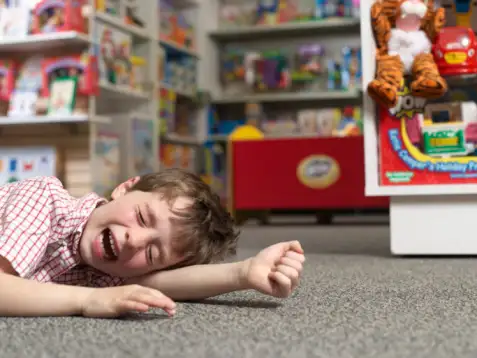
Kids can flip fast. They start yelling. They burst into tears. They toss toys and random items across the room. They drop straight down onto the floor.
Every parent has watched this happen. It leaves most caregivers feeling stuck and unsure what steps to take next.
If this scene feels familiar, you are not failing as a parent. You are not alone in this struggle. Your child’s brain simply lost its ability to manage big emotions in that moment.
Why Children Lose Emotional Control
If your child gets upset quickly, you might wonder: why do they lose control so fast?
Why Does My Child Overreact to Everything?
Some children seem to overreact to very small problems. A broken cracker, the wrong color cup, or a tiny mistake can suddenly lead to tears or screaming.
But children are not actually reacting only to that one moment. Their nervous system is already overloaded. Stress, exhaustion, anxiety, and bottled-up emotions are hiding below the surface. The small trigger is just the last straw.
Their brain is overwhelmed, not “bad”
When children feel emotionally overwhelmed, the thinking part of their brain goes offline. The brain’s alarm system takes over. They enter fight or flight mode.

Have you ever crouched down to a screaming child and said “use your words”? And it didn’t work? They’re not ignoring you. Their brain has temporarily shut down the part that processes language.
Some children feel emotions more intensely than others
Some children are born with a highly reactive nervous system. They feel joy deeply. But they also feel frustration, injustice, and disappointment just as deeply. This is not bad parenting. This is biology..
Children often lose control when they feel powerless
A child who is constantly corrected, constantly rushed, and rarely emotionally heard feels deeply powerless. When a child has no say in their own life, an emotional outburst becomes the only voice they have left.
Tantrums vs. Meltdowns: What’s the Difference?
Most parents mix up tantrums and meltdowns. They are not the same thing at all. Knowing the difference changes how you respond.
A tantrum happens when a child wants something they cannot have. They want a cookie. They want more screen time. They refuse to put on their shoes. You say no. They cry and shout to change your mind.
You will see clear signs they are in control. They know exactly where you stand. They may even glance over to check if their crying is working.
A meltdown looks similar on the outside but feels totally different for the child. They are not trying to get anything from you. Their brain has simply taken on too much input.
Loud noise, overwhelming emotions, lack of sleep or a long stressful day build up until they cannot cope. They cannot calm themselves down on their own. They do not act naughty on purpose. They just get stuck in a state of overwhelm.
You can follow one simple rule to tell them apart.
You can stand firm on your boundaries and wait out a typical tantrum.
You never punish or lecture during a meltdown. You stay close and wait with your child until the wave of emotion passes.
What to Do When Your Child Is Emotionally Out of Control
Your response during the storm determines how long the storm lasts.
1. Stay regulated yourself
This tip sounds simple. It forms the entire base of helping kids regulate their feelings.
Kids learn calmness from the adults around them. Psychologists call this co regulation. Children build their own emotional skills by leaning on a steady, calm caregiver.
Kids cannot master self calm on their own first. They experience shared calm with a parent before they can do it alone.
If your heart races and your voice rises, you only make their bigger emotions worse. Slow breathing, a quiet tone and steady body language help your child feel safe enough to settle down.
2. Do not try to “teach a lesson” during the meltdown
This is the most common mistake parents make in the moment.
A child drowning in big feelings cannot process logic or advice. Telling them to stop crying makes them cry harder. Explaining why their behavior is wrong fuels more screaming.
Every lecture in this state teaches kids to believe they are bad people. It does not teach them they made a simple mistake.
Stick to one easy rule. Stop talking once you have said the same thing three times with no response.
They do not tune you out intentionally. Their brain truly cannot take in your words. Quiet presence works far better than perfect speeches in those moments.
3. Help the nervous system feel safe first
You need to help your child shift from “fight mode” to “safe mode” — not rush to solve the problem.
Try these approaches:
• Soften your voice, even if you feel anxious inside
• Slow down your movements, don’t reach for them suddenly
• Use fewer words — sometimes a hug is worth more than ten sentences
• If they resist touch, just sit quietly beside them
The neighbor’s 5-year-old boy started screaming and crying when a block fell off his tower. His mom didn’t lecture or walk away. She just sat quietly beside him. Five minutes later, he leaned into her and the emotion slowly passed. She didn’t say anything. She was just there. That was enough.
You don’t need to talk. You just need to be present — steadily, predictably present.
4. What To Say After a Meltdown
After the storm passes, when your child feels safe again — that is the real teaching moment.
Wait until your child is completely calm (maybe half an hour later, or even the next morning). Find a relaxed time, like before bed or during a meal, and gently bring it up.
Instead of saying:
❌ “See? This is why I told you not to do that.”
❌ “You need to control yourself better.”
Try saying:
✅ “That was a really big feeling, wasn’t it?”
✅ “What made it so hard?”
✅ “What can we do next time when you start feeling that way?”
✅ “Do you want my help, or do you want to think about it yourself?”
You could also say: “You were really upset earlier because the blocks fell. I saw that. It was frustrating. Next time, maybe we can call for help?”
Remember this order: **Connect emotionally first, then solve the problem.** Children learn better when they feel emotionally safe first.
The child who never loses control (until they do)
Some children always appear perfectly behaved. They hide every sign of stress. They never say they feel sad. They live in fear of letting their parents down.
Many parents say casual phrases without thinking. “There is no reason to cry.” “Tough kids do not whine.”
Kids hold onto those words. They learn to hide all negative emotions instead of processing them.
Consider this real example. A seven year old girl was always polite and quiet. She never complained or acted out.
One night she could not find a black piece of construction paper for her school project. She suddenly swept every item off her desk and cried nonstop for twenty minutes.
Her mom initially felt confused. She only saw a missing piece of paper. She wondered why the reaction was so extreme.
She learned the full story later. The girl had endured multiple hard moments that day. Her teacher made her stand in the corner for a spelling mistake. Other kids laughed at her during recess jump rope games. Soup spilled all over her lunchbox.
She held back every tear through all those tough events. The missing paper simply pushed her past her breaking point.
That meltdown was never about the paper itself.
If you have a quiet, well behaved child who finally breaks down, do not dismiss the moment. It is not defiance. It is their first brave step asking for support.
Sit with them, hold them close and speak gently. “It is okay to feel sad. You can cry. I am right here with you.”
Frequently Asked Questions (FAQ)
Q: Is it normal for children to lose emotional control?
A: It is completely normal. Crying and outbursts are a natural part of childhood growth. Most kids outgrow frequent meltdowns as they age. Their brains need plenty of time to build calming skills.
Q: At what age should children regulate emotions?
A: Most children cannot manage big feelings consistently before age six. Even teens slip up with emotional control on a regular basis. Many adults are still learning these skills too. Be gentle with yourself and your child through the process.
Q: Should I punish emotional outbursts?
A:Punishment is never the right choice here. It only makes kids feel ashamed and scared. Those negative feelings create more outbursts over time. Kids build calm, steady emotions when they feel understood. They do not learn this skill from scolding or punishment.
Q: What is emotional dysregulation in children?
A: It is a simple term for a common struggle. Some kids struggle far more with intense feelings. They get upset much faster than other kids their age. They may cry loudly, scream, shut themselves down, or feel completely overwhelmed by their emotions all at once.
Do not listen to anyone who tells you to be stricter with your child.
When a kid loses control of their emotions, they are not acting naughty on purpose.
They are just carrying too many hard feelings and stressful moments on their own.
Your quiet presence matters most. Your calm demeanor makes a difference. Simply staying with them steadily can help them feel safe and grounded again.