To be honest, I just sat there for a while after finishing this book.
Not because the plot surprised me. The book tells you the ending on the very first page: Santiago Nasar is going to be killed by the Vicario brothers.The real question is simpler and more disturbing. An entire town knew it was going to happen, so why did nobody stop it?
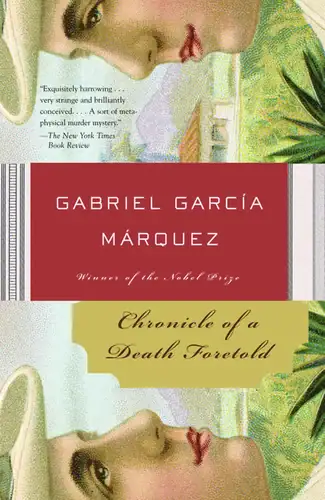
Márquez tells the story like someone piecing together an old case years later. While reading, I kept thinking what if just one person had yelled? What if one single person had run up to Santiago and said, “Get out of here”? Wouldn’t that have been enough?
By the end, though, I realized people did try to stop it. Someone warned him. Someone else took the brothers’ knives away for a while. Another person ran to his house and knocked on the door. But everyone seemed to assume that somebody else would step in and fully stop it.That was the part that felt strangely familiar to me.
The detail that stayed with me most was Angela Vicario naming Santiago almost at random. Because of that accusation, her brothers went after him with butcher knives to defend the family’s “honor.” What shocked me wasn’t just the violence. It was how normal the town treated the whole thing. Inside the logic of that isolated community, revenge was seen as reasonable.
I also noticed how Márquez writes in long, looping sentences that keep returning to the same events from different angles. The rhythm starts to resemble gossip spreading through a small town. One person remembers the morning as bright and clear. Someone else insists it looked gray and rainy. Every version shifts slightly depending on who is telling it. Even the narrator isn’t fully objective. He grew up with Santiago, and you can feel that personal connection shaping the story.
What stayed with me after finishing the book was the feeling that disaster kept coming close enough for someone to stop it, yet never quite stopped. The police confiscated the knives, then returned them. The mayor got distracted. A message never reached Santiago in time. Again and again, people came close to preventing the murder without actually preventing it.That part felt uncomfortably familiar. Sometimes people notice warning signs and still convince themselves things will probably work out. Or they assume another person will take responsibility first.
The ending makes this even more unsettling. The Vicario brothers almost seemed to want somebody to stop them. They announced what they were planning loudly and publicly, as if they were waiting for an excuse not to go through with it. But nobody gave them one. Eventually, nobody stepped in, and Santiago died.
That’s what makes the book disturbing to me. Not evil in the dramatic sense, but ordinary people avoiding responsibility little by little until something terrible happens.Ghost stories feel distant. This doesn’t.
