I witnessed a lovely scene during a subway ride. A young boy bombarded his mother with endless questions about outdoor advertisements and broadcast announcements inside the carriage. Instead of growing annoyed, she responded to every query patiently. From time to time, she raised guiding questions to prompt her son to think independently. Watching them, I realized personal growth rarely comes from forced teaching. It takes shape gradually when children are encouraged to ask questions, explore surroundings and make sense of the world around them.
This warm image kept recurring in my mind while I read Born a Crime, Trevor Noah’s memoir of his childhood. The book’s title means his birth was illegal under South Africa’s apartheid rules. At that time, any child born to a Black mother and a white father violated local laws. From the day he was born, labeled an unwanted existence by the unfair system, Trevor couldn’t even walk openly with his mother for fear of arrest.
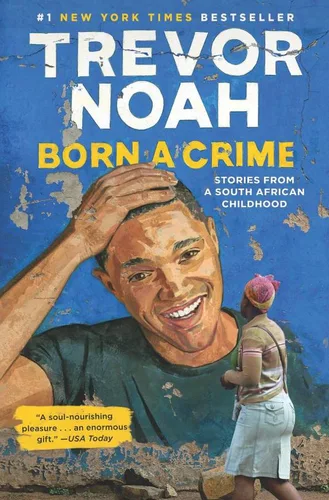
Given such a harsh historical backdrop, many readers would anticipate a depressing historical memoir. Surprisingly, Noah narrates his tough upbringing with constant humour. Whether struggling to fit into any racial group due to his mixed skin colour or scraping for a living in poor neighbourhoods, he never portrays himself as a helpless victim. Instead, he manages to spot funny details amid the most ridiculous and difficult situations.
The real core of the book is not Trevor himself but his mother Patricia. Countless readers regard the memoir as a sincere long letter written for her. Bold, persistent and self-reliant, she refused to let apartheid confine her life, so she chose to give birth to Trevor despite huge risks.
One impressive quote reads,
“Language brings with it an identity and a culture.”
Far more than a communication tool, language defines how people are viewed by society. Mastering multiple languages from an early age, Trevor switched his identity smoothly among different ethnic communities. People who kept their distance from him because of his skin would instantly relax once hearing familiar words from him.
I recalled my own experience settling into unfamiliar environments. I once worried about being different and failing to blend in, yet later found social barriers are easier to break than imagined. Shared topics, similar experiences or even regional accents can quickly connect strangers. Though rooted in apartheid South Africa, Noah’s experience reflects a universal human desire: the innate wish to gain understanding and find a sense of belonging.
Many critics note the book avoids dry textbook-style history writing. Apartheid serves merely as the setting, and Noah centers his writing on how oppressive policies affect ordinary people. Stories about schooling, family bonds, friendship, and growing up bring the grand sweep of history vividly to life.
Still, the memoir has its shortcomings. Made up of separate short stories, its chapters lack the continuous plot of traditional novels. Even so, this fragmented structure suits memoir perfectly, for human memory naturally consists of scattered life fragments rather than a single clear timeline.
I cannot recall apartheid’s specific regulations or exact historical dates after finishing the book. What stays fresh is Patricia’s continuous efforts pushing her son toward a broader world. Most growth stories celebrate individual effort, yet this memoir reveals a different truth: children can travel far in life not because they never face troubles, but because someone always trusts their ability to overcome hardships.
Readers may forget minor plot details years later, but thoughts about courage, education, language and belonging will always strike a chord. Every soul spends a lifetime seeking its place in the world, and Noah documents this journey with genuine honesty.
