Believe it or not, I almost lost my best friend over Demons. We were drinking one night, talking about some story blowing up online. He got loud. Passionate. Words like justice, awakening, you have to pick a side. And suddenly I saw Pyotr Stepanovich Verkhovensky’s face flash over his. I didn’t stop to think. I just said it. “You know you sound exactly like a madman Dostoevsky wrote about?” He froze. The room went cold.
It took me half an hour to explain, I wasn’t cursing him. I meant all of us. That state where something possesses you. Your mouth moves but you don’t know who’s talking. He sat quiet. Next day he bought the book. When he finished, he sent four words: “I get it. Thank you.”
Those who lose themselves are scarier than demons
The first time I read it, I didn’t expect to be swept into a storm. The characters come at your face. Tear off masks. Show you their raw crazy, their fragile hearts, their almost beautiful sickness. The book drags you inside. Makes you one of the possessed — truly, deeply. Don’t let the title scare you. It’s not horror. But it will make you afraid of that thin line inside your head — the one you pretend will never snap.
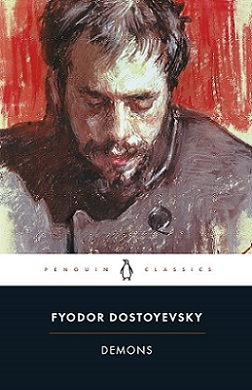
There are no real villains. That’s what hurts. Pyotr Stepanovich Verkhovensky — the revolutionary who’s really just hungry for power — he doesn’t turn evil in one scene. He climbs step by step, using other people’s fear and emptiness as his ladder. Dostoevsky shows you how a man wraps cruelty in passion. How he hides control behind ideals.
Then there’s Nikolai Vsevolodovich Stavrogin. Beautiful. Charming. Rotten to the marrow. He can do anything and feel nothing. Crime becomes a hobby. You call him a monster? But right before his destruction, you catch a glint of real pain. The complexity isn’t for show. It’s a mirror. We all have a little of that inside. We just never got pushed that far. Reading it, I kept swallowing hard. Yeah. I was a little guilty.
That suffocating feeling , like being buried in snow
I can’t find a better word than “suffocating.” Fyodor Dostoevsky doesn’t write a story. He writes a spiritual plague. Look at that small town — intellectuals, officials, landowners. On the surface: tea and small talk. Inside: already rotting.
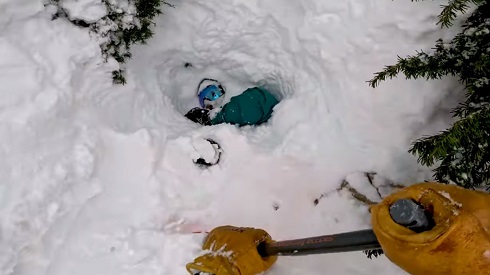
Extreme ideas spread into every corner like fog. Not because anyone thought them through. Because everyone else believed it, and falling behind felt worse. Someone burns his own house. Someone betrays a friend. Someone kills for the “ideal.” Ask them what they actually want. They can’t answer. Reading it feels like standing next to a centrifuge spinning faster and faster. You know something’s about to break. You can’t look away.
It makes you wonder: our social media feeds, our mob righteousness, our justice served before we think — is that just the soft version of Demons?
Set aside your phone and start reading from the first page
I know what you’re thinking. “Sounds heavy. I’ll read it when I’m ready.” Stop lying. You’ll never be ready. Demons isn’t a book you wait for. It’s the thing that wakes you up.
Think you’re fine right now? That’s precisely when the danger is greatest. When Dostoevsky wrote this, no one in Russia saw it coming. Everyone was having tea. Arguing about beautiful ideologies. Then the disaster came. Grew from inside people who thought, “I’m fine.”
So here’s my advice. Tonight, half an hour before bed. Don’t scroll. Open page one. Read until you’re sleepy. Pick it up tomorrow. It will change you. And that change — exactly the kind you’d never ask for, but the only kind that counts.