Have you ever had that feeling — walking down a street you know too well, the air smelling of wet earth, church bells ringing somewhere in the distance — and something heavy sits on your chest, impossible to name but completely real?
That was exactly how I felt after finishing Dubliners for the first time. James Joyce’s collection of short stories is like a cold mirror, reflecting the daily lives of Dubliners in the early twentieth century. The parties, the funerals, the workplace disappointments, the private inner lives of teenagers, the quiet compromises of adults — it’s all there. But the strange thing is, the more you read, the more you feel like he’s writing about what’s happening right next to you.
“Paralysis” — that word is the daily life of these people
A young boy has a crush on the girl next door. He works up the courage to go to the market and buy her a gift. Then, late at night, he runs into his father coming home drunk. That teenage hope just hangs in the air, never landing. A middle-aged man drinks and brags with friends at a pub. You follow him through the whole evening, only to realize he just doesn’t want to go home and face his own mediocrity. And then there’s a wife who, after hearing an old song, suddenly breaks down crying on a hotel sofa. She realizes, all at once, that the most passionate love of her life died somewhere in a past that betrayed her.
Joyce leaves these people standing right where they are — as if someone had pressed pause. And you start to notice how much of your own life almost stops right there, too.
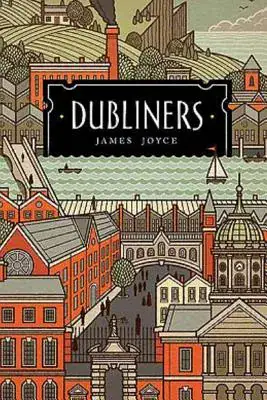
That suffocating atmosphere stays with you longer than any plot
Reading Dubliners feels like sitting in an overheated old room on a cloudy afternoon, the windows shut tight. Joyce writes with such precision. The way rain streaks across the glass. The flicker of firelight on faces gathered around a hearth. A woman’s fingers trembling slightly as she reaches for the piano keys.
These images float back to you long after you’ve finished reading. You’ll be at some work dinner, watching a group of people smile and trade small talk, and suddenly you’ll remember that party in the book. Everyone sitting around the table, telling jokes, raising glasses, reminiscing — but every single person carrying a private sadness no one else knows about.
Joyce’s gift is letting that suffocation seep through the page and into your own life. After reading it, you start noticing the people on the subway staring at nothing. You notice the half-finished sentences at the dinner table — the words people swallow back down.
Don’t treat this book as some classic to be worshipped. It’s closer to you than you think
Dubliners is a collection you can open to any story and start reading. Fifteen stories that don’t connect — like flipping through an old photo album. You don’t need to know Irish history. You don’t need to understand Catholic doctrine. All you need is a heart willing to slow down.
The further you read, the more you feel Joyce asking you, from a hundred years away, about your life right now. Are you also putting off that trip you keep saying you’ll take “someday”? Do you also tell a joke at the dinner table, smile, and feel something suddenly go hollow inside? This book makes you admit one thing: that vague sense of longing that follows you through ordinary days — hidden in all those ordinary days — was never yours alone.
If you want to put down your phone on a quiet night and actually spend some time with yourself, make a cup of tea and open this book. You’ll find that the wet Dublin streets, the dim pubs, the old man standing by the river — they’ll all suddenly become some corner you know, some stretch of time you can’t go back to.
You probably won’t cry when you finish. You won’t shout, “What a masterpiece.” You’ll just close the book, sit still for a moment, and let out a soft sigh.
