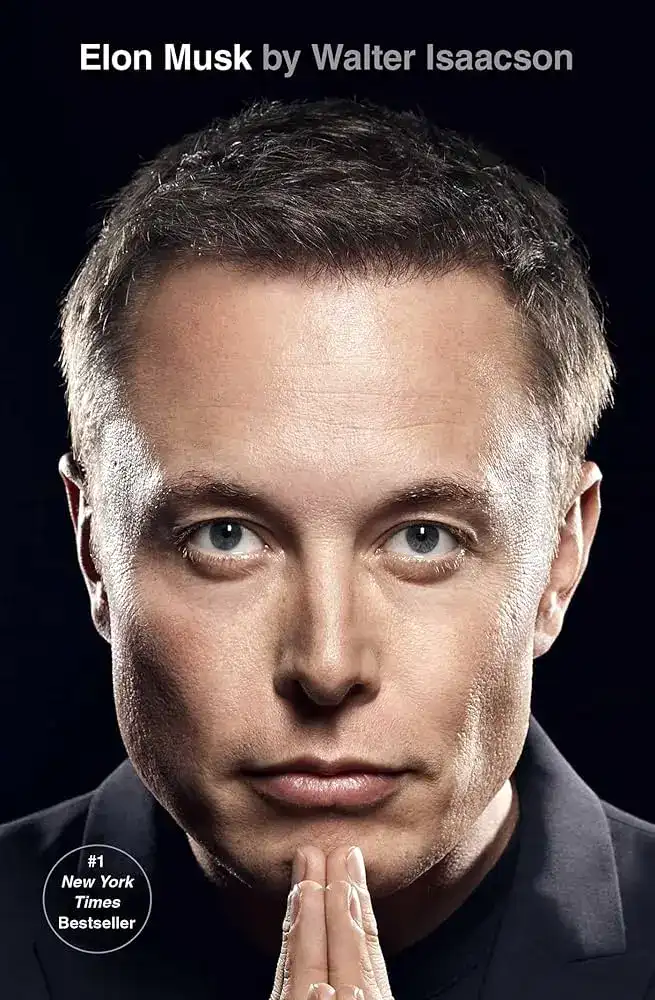
Before reading this book, my impression of Elon Musk was limited to a few labels. The richest man. A crazy person. Someone who says the wrong things on Twitter. Walter Isaacson spent two years shadowing him. He didn’t turn him into a god. He didn’t turn him into a clown. He just laid the man out on the table — the good and the bad, all of it. When I closed the book, I thought: the scariest thing about this person — his money comes second. His temper comes third. The thing that comes first is his ability to swallow what other people see as total disaster and eat it like breakfast.
The Earth cannot hold his fear
Many people think Musk builds rockets to be a space influencer. This book gives a different answer. He has a nearly pathological pessimism about humanity’s future. Climate change. AI spiraling out of control. An asteroid hitting Earth. He has rehearsed all of these scenarios in his head. His solution is not to hide in a basement and stockpile canned food. It’s to turn humanity into a multiplanetary species.
This idea had been growing in him since he was a child. He read The Hitchhiker’s Guide to the Galaxy. He read Asimov’s Foundation series. While other kids were still kicking a ball around, he was already thinking about the universe. SpaceX’s first three launches ended in three explosions. The money left in the bank was only enough for one more try. Anyone else would have been writing a resignation letter at that point. His reaction was to call the team together and draw up the plans for a fourth rocket. He is afraid of losing. But he is even more afraid of humanity staying stuck on this one planet forever.
He drives his employees crazy, he also drives miracles
There is a certain type of person who appears again and again in this book. Former employees who were pushed to the breaking point by Musk. He would email them at 3 a.m. demanding progress updates. He would sit in a meeting and say, in that emotionless tone of his, “What you made is garbage.” He would tell you, after you had worked overtime for three months straight, “This is still not fast enough.” A lot of people left after one year. And after they left, they thanked him.
Isaacson writes fairly. He lets the people who got yelled at speak. He also lets Musk explain himself. Musk says he just cannot understand why other people can’t move as fast as he can. His brain runs at the speed of light. He thinks everyone’s brain should work that way. During the period when Tesla’s factory was on the brink of bankruptcy, he slept on the floor next to the assembly line, debugging the robots himself. His back hurt so badly he couldn’t straighten up. But that line finally started running. He cannot force himself to make allowances for other people’s slowness. Because he feels like there isn’t enough time.
Under that expressionless face is a child who was beaten growing up
There is one detail in the book that I keep thinking about. When Musk was in South Africa, a group of students pushed him down a flight of concrete stairs. He fell to the bottom. When he got up, they were still waiting for him. He said that after that day, he learned to keep his face blank. He still feels pain. But he never lets the other person see him feel it. That face later accompanied him through decades of entrepreneurship. Rocket explosions — that face. The factory on the brink of bankruptcy — that face. The whole world cursing him — still that face.
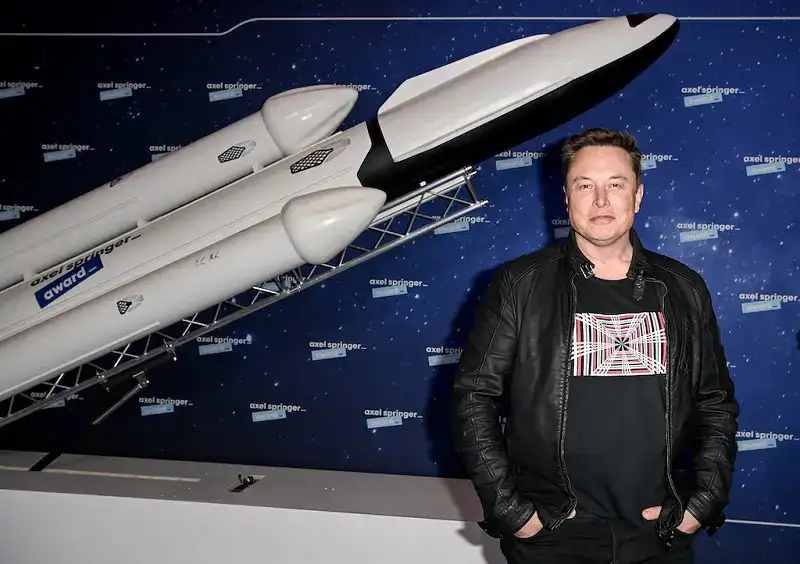
The traits that allow a person to do great things — stubbornness, coldness, ruthlessness, refusing to stop until the goal is reached — are exactly the same traits that cause the most pain to the people around him. Musk is possessed by a gigantic idea. That idea is: “Humanity must survive.” He is burning himself up for that idea. And in the process, he also sets the people around him on fire.
I’m not sure I would want to work with him. But I am glad I read this book. The people who change the world are usually the ones this world finds hardest to tolerate. They come to drag you out of your comfort zone. Some people get dragged out and are completely transformed. The world really does get dragged by them — just a little. And that little bit might be the reason humanity gets to live a little longer.
