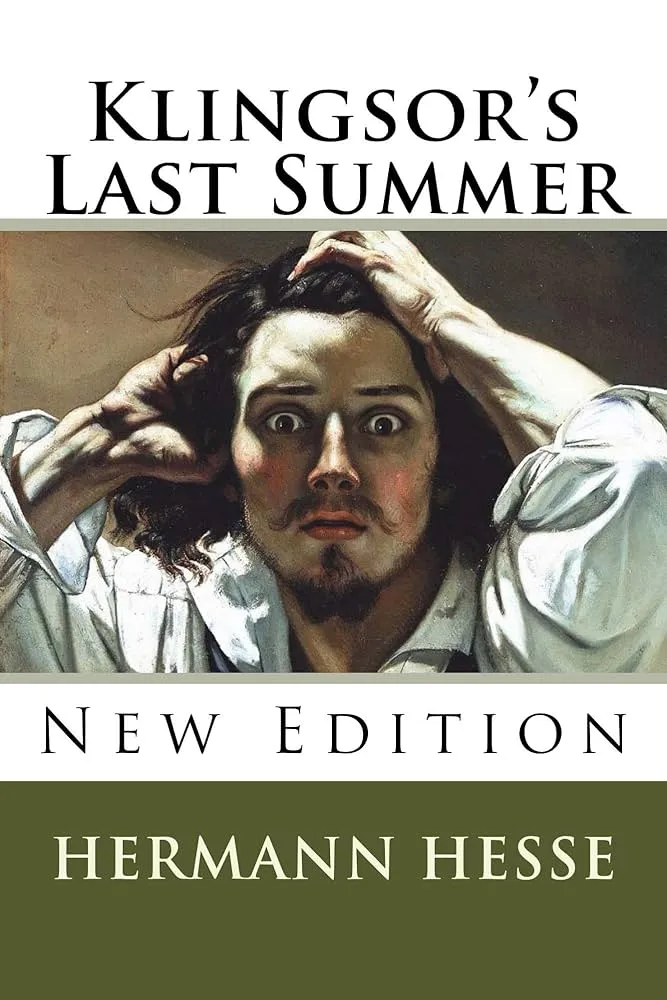
Right after the Great War ended, the world felt like a half-finished house—drafty every corner People walked the streets with a nameless emptiness in their eyes. In that same chaotic year, a painter named Klingsor entered the final summer of his life. He already knew he was dying. The doctor had told him his days were few. For most people, that news would be enough to fall apart. But Klingsor picked up his brush and started painting like a madman. He painted grapes. Forests. The summer light. Everything he would never see again before his eyes closed for good. Reading that opening, I kept wondering: how much would he never see again, knowing his time was running out?
A dying painter
Klingsor reminded me of a certain kind of weather. The thick, heavy heat just before a summer storm. Air sticking to your skin. Sun so bright it hurts to keep your eyes open. He crammed the last of his life into that short summer. Every day felt like a carnival. He drank with friends. Wandered the woods. Shouted at the sky. He gave himself a nickname: Li Bai. Because, he said, that Chinese poet loved wine and the moon and scribbling verses drunk just like him.
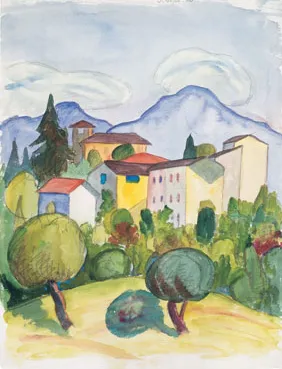
Hesse wrote Klingsor as a man burning himself up from the inside. The sickness spread through his body, but his paintings only burned brighter. Colors that seemed ready to leap off the page-gold, crimson, deep green-so intense they almosttook my breath away. Hesse doesn’t pretty it up. Klingsor’s pain. His fear. The nights he woke in a cold sweat staring at the ceiling. That’s all there. But Hesse also put something else on the page. That strange, defiant thrill of I’m dying anyway, so let me fill whatever’s left until it overflows. A feeling that held two things at once: despair and exhilaration. Reading it, my chest stayed tight the whole time. Not from sorrow. From heat coming right through the paper.
Summer and a grand farewell
The atmosphere in this book is unlike anything I’ve read. It doesn’t feel like a story. More like a long dream. You walk beside Klingsor up the slopes of southern Europe. The sun stretches shadows thin. Clusters of purple grapes hang from the vines. He drinks wherever he goes. Talks with friends about death, art, all the things he never had time to finish painting.
There’s a scene where he calls himself Li Bai and talks to an ancient Chinese poet. It reads as strange and natural at once. Hesse connects East and West in a quiet, unforced way. Klingsor doesn’t need to understand Chinese. He only needs to know that a thousand years ago, there was a man just like him—who loved wine, loved nature, loved scribbling poems drunk. That time-crossing connection warmed something inside me as I read. So loneliness can be crossed. Even by a dying man and a book of ancient Chinese verse.
Hesse’s prose is beautiful and still. The kind of quiet force you feel in a summer evening breeze. It doesn’t rush to make you cry. Doesn’t rush to move you. It simply tells you: this man is going to die. Watch how he lives. And then you look up and realize your eyes went wet somewhere along the way.
After finishing this book, I stood on my balcony and looked at the moon for a long time
When I closed the book, I kept searching for an answer. Did Klingsor defeat death? I thought about it for a long time. I don’t think he did. The sickness didn’t go away. No miracle came. But he did something stronger than defeating death. He refused to let his days turn gray just because he was dying. He knew how it would end. He still lived every moment of it red-hot.
That night I stood on the balcony, looking up at the moon, and remembered the name Klingsor gave himself. Li Bai. A thousand years ago, that Chinese poet looked at the same moon. Drunk, he wrote: When life is good, drink it dry. Klingsor never said those words. But he lived them—through that whole last summer. Closing the book, I thought: if someone ever tells me my countdown has started, will I turn whatever’s left into gold like he did? I don’t know the answer. But knowing that someone did it—that fact alone has already given me a little courage.