A friend gave me this book years ago and said, “You’ll either love it or stop after ten pages.” She wasn’t wrong. The first time around, I got maybe fifteen pages in. The stories felt slow, nothing much happened, and I kept waiting for a payoff that never showed up. Then I tried again a year later, and something just clicked. I haven’t stopped thinking about it since.
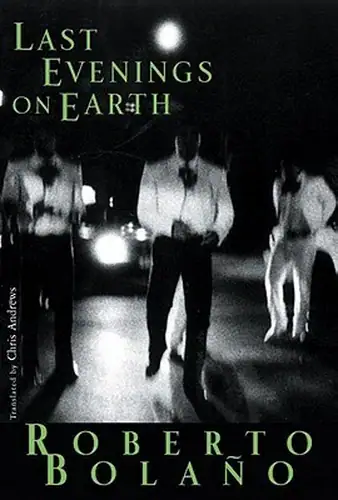
Bolaño writes about exile, failure, and the quiet drift of people who never end up where they thought they would. The title story follows a guy named B, a Chilean writer living in Mexico, who is driving his dad to Acapulco. They barely talk. The father has cancer, but they don’t bring it up. They just drive. B thinks about his life, the friends who vanished into political violence, and the others who disappeared into ordinary jobs and marriages. Nothing major happens. You finish the story and feel like you’ve been sitting in a dark room without realizing the lights were off.
“We never stop knowing what we are, even when we pretend to be something else.” That line stays with you. Most of the characters in this collection are like that. They’re mostly writers and poets, the kind who put out one small book nobody reads and then spend the rest of their lives teaching Spanish somewhere or translating instruction manuals. They’re not loud tragedies. They’re just tired. They’ve seen things they can’t talk about, and they keep moving because staying still feels worse.
Bolaño’s style is weirdly hypnotic. Long sentences that curl around like a river. He lists things: names of writers, cities, people who died. He does it so often that you start to feel the weight of all those names, all those small lives history forgot.
There’s a story called “Sensini” about a young writer who enters a bunch of literary contests just to win money. He starts trading letters with an older writer, also broke, also scraping by. They become friends without ever meeting. The younger one wins a few times. The older one never does. It’s not exactly sad. It’s just how things go.
“The Grub” hit me the hardest. Two guys, one of them a former boxer, get hired to do something strange. I won’t spoil it. But the ending hit like a door slamming shut. Bolaño does that a lot. He builds a quiet, almost boring world, and then pulls the floor out with no warning.
I read this book during a time when I was living alone in a new city and didn’t know many people. Most nights I’d cook something simple and read until my eyes gave out. These stories felt like company. Not the kind that tries to cheer you up or tell you everything will be okay. Just honest about how lonely and strange things can get. That was exactly what I needed then.
Some readers think he’s too bleak. And sure, there’s a lot of darkness. But underneath, there’s also a quiet tenderness. His characters keep going. They write, they travel, they make dinner for each other. They don’t quit, even when quitting would make the most sense.
This isn’t a plot book. You read it for the mood, for the sentences, for how it makes ordinary loneliness feel like something shared.
