Saturday afternoon. I’m curled on the couch, tea in hand. My phone lights up. The boss asks if I can turn in the report early. I stare at the screen for a few seconds. Then I flip the phone face-down and pick up Bartleby, the Scrivener.
The main character sits in an office, just like me. One day, his boss asks him to do a little extra work. He puts down his pen. He says, “I would prefer not to.” No throwing things. No slamming the desk. Just that one sentence. And after that, he simply stops doing anything.
I leaned back into the couch and realized: this guy Bartleby? He’s braver than I’ll ever be.
Bartleby’s only weapon is staying perfectly still
Bartleby is a copyist. Every day, he sits by the window and copies documents. Quiet. No trouble. Until one day his boss asks him to do something small—outside the usual copying. Bartleby puts down his pen. Softly, he says, “I would prefer not to.” From then on, that phrase becomes his entire language.
The boss asks him to proofread. “I would prefer not to.”Run an errand. “I would prefer not to.”Asked why. He just repeats the same quiet refusal again.No anger. No protest. No emotion at all.He just stops.Sits there, perfectly still, while the whole world spins around him.
What chilled me most? How his coworkers and boss react. First, confusion. Then anger. Then, strangely, fear. A man who does nothing is more unsettling than a man who dares do anything. Because his very existence asks the question: if everyone else is running forward, who’s really the one out of step?
An office from 170 years ago, still trapping us today
This book was published in 1853, over 170 years ago. Cubicles replaced the clerks’ desks. Typing replaced copying. But that trapped feeling? Exactly the same.
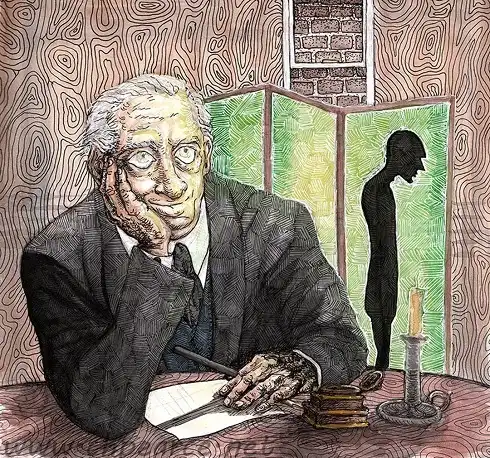
Melville’s writing is like the light at four o’clock on a winter afternoon: pale, cold, and emotionless. He writes plainly. What the boss says. What the coworkers do. How Bartleby just sits there, unmoving.But as you read, the loneliness seeps out of the pages like a chill. You start noticing things in your own office you never paid attention to before. The hum of the printer. The rhythm of the keyboard in the next cubicle. The attendance sheet taped to the window.
This book doesn’t yell. It just sits there silently, like Bartleby himself, waiting for you to walk over and ask: What do you really want?And its answer is that one sentence.You’ll probably leave more confused than before. But you’ll never forget it.
A book for everyone who’s afraid to say no
After finishing Bartleby, the Scrivener, I sat on the couch and stared at my flipped-over phone. I tried to remember the last time I said no.I thought for a long time.Nothing came back.
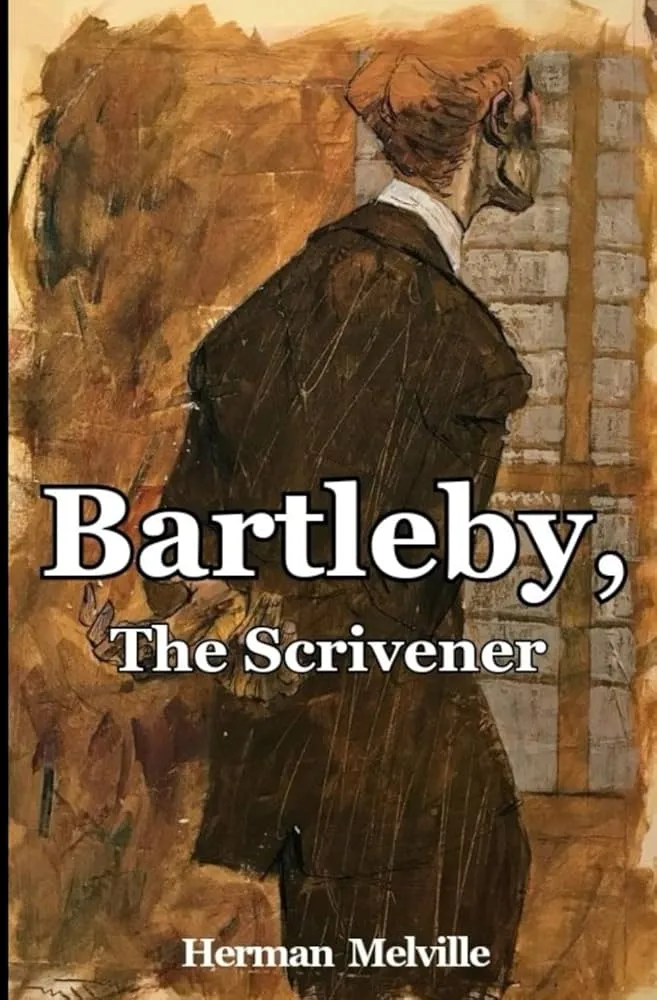
This book won’t help you quit your job. It won’t teach you how to fight your boss. It does something softer and crueler. It plants a seed in your head: you can stop anytime. Of course, you won’t actually stop. Tomorrow, you’ll still go to work. You’ll still reply “got it” in the group chat. You’ll still fill out those endless spreadsheets, one by one. But Bartleby will be sitting in a corner of your mind, silently. Every now and then, in that calm voice, he’ll say, “I would prefer not to.”
That voice is so soft you can’t hear it during the day.But at certain moments, when your boss texts on Friday night, when the client asks for the eighth round of revisions, when you’re shoved forward by the crowd on the subway, that quiet refusal will suddenly rise up.
And that’s when you’ll know.
Your own Bartleby has woken up.