Hey, friend. Let me ask you something. Ever had everything you were supposed to want – and still felt like something was missing?
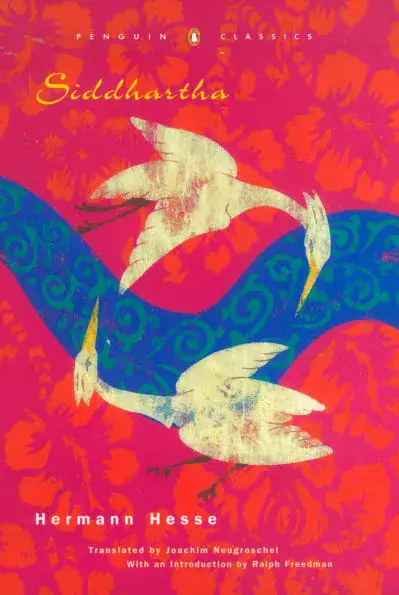
That’s Siddhartha. Young, handsome, born into privilege. Everyone loves him. Everyone expects greatness. But he’s not happy. Not because anything’s wrong. Because he can feel that all the prayers, all the rituals, all the “right” answers from his teachers – they’re not his. So one day, he just… leaves. Walks out. Becomes a beggar. That’s where Siddhartha by Hermann Hesse begins.
Don’t think this is some dusty philosophy book. Open it. Twenty pages in, you’ll realize Hesse isn’t lecturing you. He’s writing from inside your head. That itch that says “there has to be more”? That’s yours too.
Two big mistakes Siddhartha made (and you’ve probably made both)
Here’s what I love. Siddhartha isn’t some perfect holy man. He messes up. A lot.
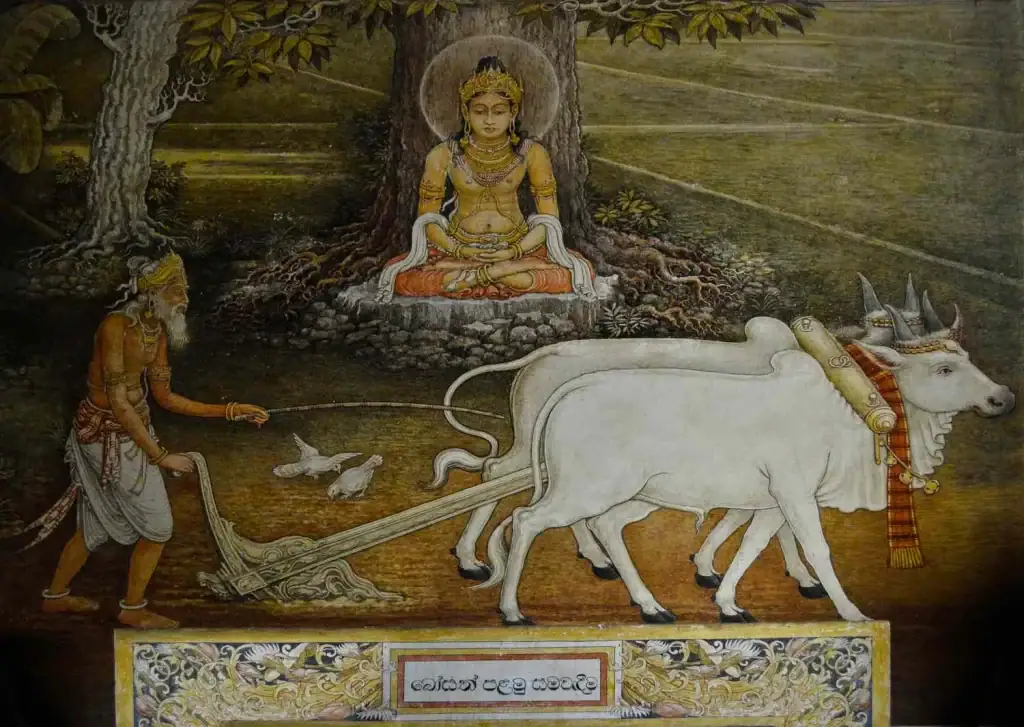
First mistake: he tries to skip life. He becomes an ascetic, starves himself, meditates for days, tries to kill his desires. He tells himself the world is an illusion and the only goal is to disappear. Sounds deep, right? But Hesse shows you – running away from life isn’t wisdom. It’s just another form of fear. Siddhartha spends years trying to escape himself, only to realize he’s gotten nowhere.
Second mistake: he goes completely the other way. He meets a beautiful woman. Learns business. Makes money. Drinks. Gambles. Sleeps around. He becomes exactly who he used to despise. And for a while? It feels good. Then it stops feeling good. Drowning in pleasure isn’t freedom either. It’s just a different cage.
Why am I telling you this? Because Siddhartha isn’t about where he ends up. It’s about watching him fail, learn, fail again, and slowly realize – wisdom can’t be taught. You have to live it. You can’t borrow someone else’s truth. You have to bleed for your own.
The tragedy isn’t that Siddhartha made these mistakes. It’s that most of us spend our entire lives trapped in one of them.
This book doesn’t give you answers. It teaches you to stop needing them.
When I was younger, I wanted every decision to come with certainty. The right job. The right city. The right relationship. Siddhartha suggests something unsettling: maybe certainty was never the point.
Here’s what got me.
Most spiritual books act like they have a map. Follow these ten steps. Meditate this many minutes. Believe these five things. And you’ll be happy.
Hesse does the opposite. He shows a guy who tries all the maps – Hinduism, Buddhism, asceticism, pleasure, business, love, fatherhood – and finds that none fit perfectly. Not because they’re wrong. Because your path can’t be drawn by someone else.
There’s a moment where Siddhartha sits by a river, completely broken. Money gone. Lover gone. Son gone. Best friend gone. He’s failed at everything. And then he just… listens. To the water. To the stones. To the ordinary sounds of the world doing what it does.
The shift happens right there. Not a lightning bolt. Not a vision. Just a quiet realization: maybe the point isn’t to conquer life. Maybe the point is to love it – exactly as it is, messy and painful and beautiful and ordinary all at once.
Reading Siddhartha feels like sitting by that river yourself. You won’t close the book with ten new rules. You’ll close it feeling… lighter. Like someone gave you permission to stop trying so hard to be enlightened, and just be human instead.
Here’s the real question this book is asking you
So let me be honest.
If you want a self-help book with bullet points and a five-step plan? This isn’t it.
But if you’ve ever lain awake at 2 AM wondering, “Is this really all there is?” – if you’ve ever felt like you’re climbing a ladder against the wrong wall – if you’ve ever suspected that the answer isn’t out there somewhere, but somehow already inside you, waiting for you to stop running long enough to notice…
Then read Siddhartha.
Not because it’ll give you answers. Because it’ll teach you to be okay with the questions. It’ll show you that every detour, every bad decision, every moment of feeling lost – it’s all part of it. None of it was wasted.
Hesse wrote this book in a small room in Switzerland, going through his own breakdown, his own loss. He wasn’t writing from a mountaintop. He was writing from the mud. And maybe that’s why it lands so hard.
Next time you feel that restless itch – that “I should be somewhere else, doing something else, being someone else” – don’t fight it. Just pick up this book. Read the first chapter. And see if you don’t recognize yourself in a young man walking away from everything he knows, not because he’s running away, but because he’s brave enough to walk toward… he doesn’t even know what yet.That’s the kind of courage this book wakes up in you. And honestly? That’s way better than a five-step plan.
