Bill Gates wrote a book. The title is straight: Source Code. He picks ten moments that shaped him. It starts with a teenager hunched over acomputer terminal at midnight and ends just as Microsoft begins to take off.No foundation. No galas. No post-wealth globe-trotting. It stops right when he’s still on the runway.
A billionaire writes his origin story. It sounds like success porn. But this book has zero interest in making you rich. It’s about how one weird kid found the thing that made him forget sleep, food, and other people.
A Weird Kid Who Stayed Up Writing Code
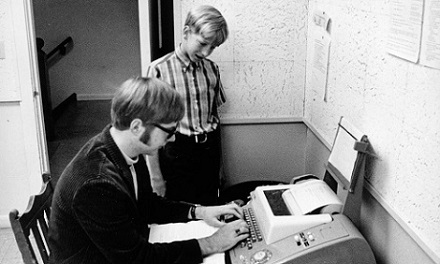
At thirteen, Gates snuck out of his house every night, walked a kilometer to a company called C-Cubed, and used their computer terminal for free. He coded until two or three in the morning, then crept back home. His mom asked if he wanted to hang out with friends on the weekend. He said he already had plans with the machine.
At Harvard, he didn’t know how to talk to classmates. He knew how to optimize a line of code until it sang. He froze up around strangers, while his partner took care of the social side. Gates stayed in a room and solved problems. When Microsoft landed its first big job—writing a BASIC interpreter for the Altair—the two young guys told the client “we made it” before they actually had. Then they worked eight weeks straight and actually built it.
He doesn’t tell these stories with a “genius” pose. He tells you about his screwups. Getting yelled at by customers. Shaking at deadlines while typing blind. He shows you that successful people also started by fixing bugs at 3 a.m., getting chewed out by bosses, and not knowing how to reply to a business letter.
Reading the book is like sitting in a 3 a.m. basement, with instant noodles and a glowing-screen
Reading Source Code, you can almost smell that 1970s basement. Paper printouts stacked to the ceiling. Pizza boxes in towers. Cans of Coke sweating with condensation. A few teenage boys hunched around a clunky terminal, green characters blinking. They weren’t tired. They were doing something no one had done before.
Gates writes about stealing programming tricks from computer logs. Seeing that first ASR-33 teletype in the Lakeside School computer room. Getting kicked out of Washington State University’s lab for hogging the machine. His tone is flat, but the current underneath is fierce. When a kid finally finds what he was born to do—he comes alive.
This is not a “three steps to a billion” playbook. It’s closer to a meditation on focus. Gates comes back to one thing. His edge wasn’t intelligence. It was hours. He could sit at a terminal for thirty-six hours on nothing but pizza and Coke.
You Don’t Need to Code to Get It
I thought Source Code would be technical. It’s not. It’s a book about finding what you love. Gates said one thing I wrote down.
“You don’t have to find the answer at eighteen. You just have to keep looking.”
The book ends in a strange place. Microsoft exists. Gates is still coding. Still on client calls. Still worrying if he can make payroll next month. He’s not a billionaire yet. The world doesn’t know his face. He’s just a young man doing what he loves.

You might not start a company after reading this. You might not learn to code. But you might ask yourself one question. When was the last time you didn’t want to sleep because of something? When was the last time you forgot to eat? What is that thing for you? And if you haven’t found it yet—that’s fine. Gates took years. What matters is you’re still looking.
This book is like a person sitting across from you, not bragging, not lecturing. Simply recounting the mistakes he made, the long nights he spent, and the risks hetook, the nights he burned, the bets he made when he had nothing. After you close it, you might turn off the TV, open your laptop, and take one more look at that thing you’ve been meaning to get to.