I was a little disappointed when I first read The Catcher in the Rye.
I expected a stirring coming-of-age tale or a bold manifesto of rebellion and freedom. Instead, I mostly followed a teenage boy wandering aimlessly about. Halfway through, I even thought I had missed key points. Later I realized I understood Holden well enough; I was just waiting for a plot to unfold, failing to see that Holden himself is the story.
The novel has an extremely plain plot. Sixteen-year-old Holden is expelled from school. Unwilling to go home right away, he drifts alone around New York. He stays in hotels, takes cabs, meets friends, goes on dates and drinks. He keeps moving yet has no idea where he is headed. There is no fixed purpose, nor a traditional dramatic climax. It is this sense of aimlessness that makes the book so unforgettable to countless readers.
Holden is best known for his hatred of phonies. He criticizes almost everyone he meets — teachers, classmates, actors and celebrities all strike him as insincere. Blunt and emotional, he often sounds harsh. As I read on, I came to realize he is not really resentful of others, but struggling with his own journey into adulthood.
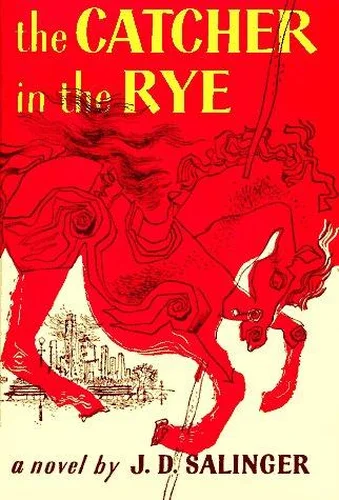
One detail stays with me. Holden keeps wondering where the ducks in Central Park go when the lake freezes in winter. He asks many people but never gets a satisfying reply. At first I found it puzzling, until I saw the ducks as a mirror of Holden himself. When familiar surroundings shift and old convictions fade, where can one go, and what kind of person should one become? That is his true inner question.
The warmest part of the story lies in his little sister Phoebe.
Suspicious of most people, Holden places all his faith in Phoebe. Their reunion is deeply touching. Most memorable is the scene beside the merry-go-round, where he stands in the rain watching her spin round and round. Nothing gets settled then; his future remains unclear and his troubles linger on, yet he finally finds peace.
This reminded me of my time right after graduation. I once insisted life must have a clear direction, and felt anxious watching peers pursue further study, jobs or overseas lives. Later one night, I walked with my family chatting about trivial daily matters. Nothing important happened that day, yet that brief sense of calm lingered long after. More often than not, people do not need answers — they just need a moment to pause and relax.
I gradually came to see that the book has stood the test of time not for its depiction of teenage rebellion, but for its portrayal of the loss inherent in growing up. As children, we always thought the world was clearly divided into right and wrong. But as we grow up, we realize that many things don’t have standard answers, and many people aren’t as pure as we imagined. Holden’s greatest pain wasn’t seeing the world’s imperfections, but rather his inability to accept them.
This explains why the book reads differently at different stages of life. In youth, you see yourself in Holden. Years later, you begin to understand the adults he once disdained. In time, you realize everyone keeps a little piece of Holden inside — the part that detests hypocrisy, craves sincerity, and occasionally feels alienated from the world. That part never truly fades away.
The Catcher in the Rye is not a book that will give answers. It is even a little loose and emotional, and it may not be liked by everyone. But it was like a long late-night conversation. You may not agree with every word Holden says, but you can see yourself at some stage from his confusion. And this moment of self-recognizing is probably the moment we are chasing.
