For years, I thought ‘thinking positive’ was just comforting myself. A small sigh from a colleague or an unread message from a friend would send me spiraling.
I used to think that too — until I found this book. The first time I read it, I cried. Not sad tears. The kind where you realize, Oh. I’m not broken.
The first thing this book helped me understand
The book shares the story of a girl named Emily. Ever since she was a child, teachers labeled her “too emotional.” On any team, she was always the first to notice the atmosphere shift. She hated this about herself. She even saw a therapist. The author asked her to try an experiment: for one week, write down every small thing she noticed because she was “too sensitive.” She wrote down a bruise on a coworker’s arm. The exhaustion in her partner’s voice. A restaurant server’s red-rimmed eyes.
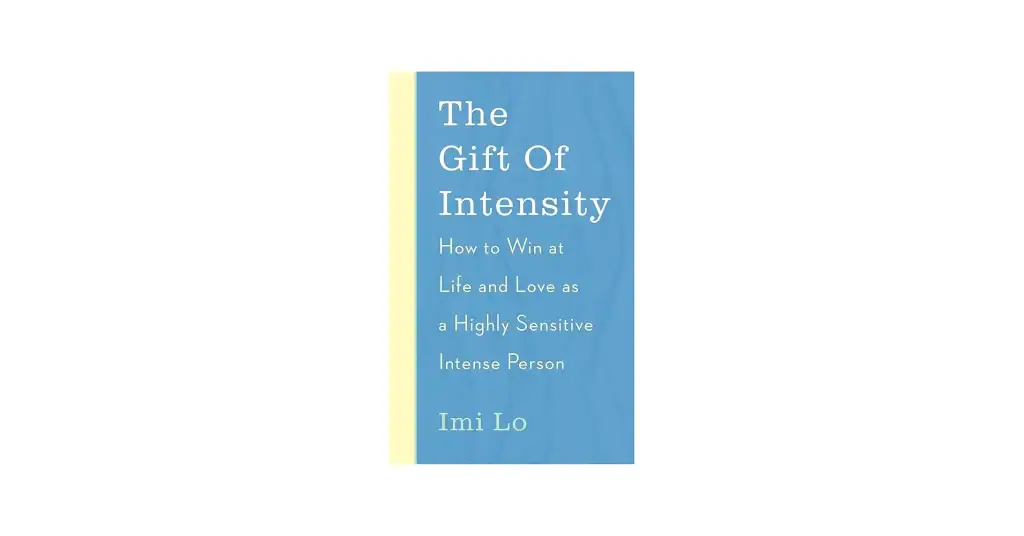
What she found: every single thing she thought was “over the top” turned out to be genuine. A real signal. And she was the first person to receive it. Reading that, I thought — that’s me. This book shows you, case by case, that you’re not a broken machine. You’re picking up signals other people miss.
Second, stop treating your high sensitivity like a burden. It’s your most valuable asset
This book redefines high sensitivity as a “deep information processing state.” The author is a trained psychologist, but she puts it in plain language: a sensitive person’s brain processes far more information beneath the surface in the background at all times. While others see only the surface, you’ve already analyzed the facial expression, the tone, the subtext, even the silence in the room.
Reading it a second time, I started looking at my past with fresh eyes. Those moments that once embarrassed me — crying too easily, being told I “overthink things”, and having gut feelings others dismissed while I knew I was right. There’s one sentence I underlined three times: “Sensitivity isn’t you overreacting to the world. It’s the world overloading you with information.” Every time I feel overwhelmed, I tell myself: my receiver just has great signal.
Third, after reading this book, I finally made peace with myself
It’s less a self-help book and more a friend who knows you better than you know yourself, whispering, “I get why you’re hurting.” Let’s talk about what to do. I learned one thing. In social settings, I started being upfront with new friends: “I’m quite sensitive. If I zone out or need a moment to recharge, that’s just how I am.” Most people’s reaction? Relief. Oh, you too? That’s allowed?
This book taught me that what sensitive people need most is to stop attacking themselves. When I started asking, “What is my intuition trying to tell me?” instead of “Why am I overthinking again?” — the whole world went quiet.
If you’ve ever hated yourself for “thinking too much.” If you’re always the first to notice the silence at a party and rush to fill it. If you lie awake at night turning one careless comment over and over. This book is for you. You’ll find real exercises, practical emotional tools, and most important of all — the courage to forgive yourself.
When I closed the book, only one thought stayed in my head: My sensitivity was my superpower all along. I just never learned how to use it.
