Before reading The Kite Runner, I thought it was just a book about friendship. After reading it, I found that it poked each of us who was afraid to face ourselves the most. Let me start to ask that heart-wrenching question: Can the later redemption really make up for the previous hurt?
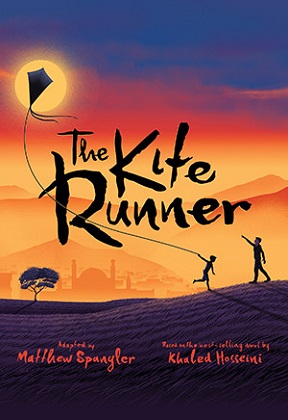
Everyone is “Amir”
Let’s talk about the protagonist Amir first. When I read it, I really wanted to scold him for being cowardly countless times. There was someone around him who tried his best to protect him, but when the other party needed him most, he chose to escape because of cowardice. Later, this escape turned into guilt. He did not dare to face this guilt, but instead caused more harm with false accusations. He knew he was wrong, but he didn’t dare to face his former cowardice for more than 20 years.
But after cursing, I can’t go on. Because I saw countless ordinary me in him. Who hasn’t been cowardly at a critical moment? When I was a child, I saw my classmates being bullied. I knew it was wrong, but I pretended not to see it for fear of causing trouble. If I made a mistake, I was afraid of being criticized and afraid of bearing the consequences, so I chose to lie to escape. I had a debt in my heart, thinking that “I’ll talk about it later”, but this wait may be a lifetime. Amir is not a bad person. He is just like us. He is weak and selfish. This truth is more worrying than any perfect protagonist.
The vanity of redemption
After reading it, many people are praising Amir’s redemption. He returned to the place where he had fled, taking great risks, trying to make up for the debt of that year and redeem his once cowardly self. But the more I read, the more confused I am: does redemption really exist? Can you really make up for all the mistakes?
The man who tried his best to protect him couldn’t wait for his apology and left forever. He stuck to that sincerity and loyalty until his death, and Amir didn’t even have a chance to make up for him.
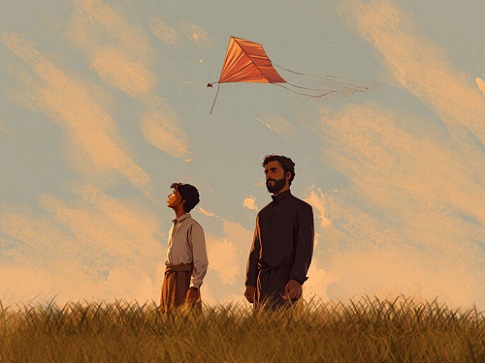
So I’m wondering whether Amir’s redemption is to make up for the person who was hurt by him, or to comfort himself? He tried his best to make up for it. Did he just want to reduce the guilt in his heart so that he could live with peace of mind? After all, for those who have left, for the children who have been completely hurt, everything he does is so pale and weak. In fact, sometimes it’s just the self-comfort of the survivors.
People are always like this. When they make a mistake, they habitually escape. After a long time, when their conscience is uneasy, they remember to make up for it. But once the hurt occurs, regret becomes a foregone. No matter how hard you try to make up for it, you can’t return to the original time and eliminate the grievances that others have suffered. The so-called redemption can never make up for the debt. At most, it is only to barely reconcile with the past. The only one who is complete is yourself, but the one who owes will always be in debt.
Seeing yourself clearly is a kind of courage
The most moving thing about this book is never how great the salvation Amir has accomplished, but that it dares to face our weakness and break the illusion of “redemption”. It tells us that each of us may be Amir, and we may choose to escape or betray at some point, and we may owe irrepayable “debts”. But at the same time, it did not give us a perfect answer, and did not forcefully say that “as long as you make up for it, everything can be done again”.
If you have also had mistakes that you dare not face, or owes hidden in your heart, and if you have doubts about “redemption”, you must read this book. It won’t make you forgive yourself easily, but it will make you see yourself clearly and the complexity of human nature – weakness, selfishness, guilt, and struggle.
After reading it, you may still be confused about whether redemption is meaningful or not, but you will definitely understand that admitting your weakness and daring to face your mistakes is a kind of courage in itself; and those irreparable injuries will also make us know how to cherish and remind ourselves not to be “Amir” again.