Someone asked me what The Perks of Being a Wallflower is about. I opened my mouth and realized I couldn’t really answer.
Call it a story about a shy freshman making friends, and it sounds too simple. Or healing from childhood trauma — that’s too heavy, like a news headline. And “coming-of-age” is so general, it basically means nothing.
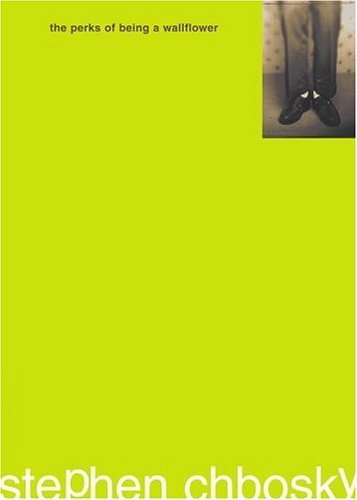
I thought about it later. The fact that I can’t explain it clearly? That’s exactly what this book is like. It won’t let you pin it down with a neat label.
Charlie writes all these letters to someone who never shows up. I mean, you could say it’s a kind of diary. Or a hopeless confession. But halfway through, I suddenly felt: who cares who the receiver is? What mattered was that Charlie needed to believe someone was listening. No one replied. But that’s what let him keep talking. If someone did reply, he probably wouldn’t be able to say some things anyway. That paradox stuck with me.
One detail really stayed with me, though. Bill, Charlie’s English teacher, noticed his talent for reading and writing. So he gave him extra books and told him to write about them. Charlie took it seriously. But here’s the thing: most of Bill’s feedback was about the writing itself, not about Charlie. That relationship is subtle. Bill isn’t a therapist. He’s just being a teacher, giving intellectual direction. And Charlie just needs that kind of attention, without anyone trying to “heal” him. Sometimes the most helpful thing is not to think of yourself as a helper at all.
Another scene stuck in my head like a nail. Charlie said that every time someone asked how he was, even when he was clearly not okay, he would just say “fine.” It wasn’t even a lie. He just knew the other person couldn’t handle the real answer.
Then there was that time Patrick got laughed at by his ex-boyfriend in public. Charlie rushed in to help him fight. And he had no idea how to fight. None. Wind was pouring through the tunnel, the music was loud, and Charlie felt infinitely close to happiness. Notice how he puts it: not happiness, but close.
You could probably sum up all those little moments in one sentence if you wanted to. But for me, they point to something else. This book is really about a sense of proportion. Pain has its own distance. Happiness has its own, too. The reason Charlie is a wallflower isn’t that he doesn’t want to dance. He just needs to figure out where he’s standing. How far from the crowd. How close. Every letter, every observation — that’s him trying to figure that out.
I used to think being a wallflower was a passive thing. Like you’re too scared, so you just stay on the sidelines. But after reading this book, I changed my mind. Charlie does dare. Every time he gets close, he’s the one choosing it: sitting next to Patrick without talking, listening to Sam cry on the phone, finally telling the truth about what his aunt did to him. A wallflower isn’t someone with no story. He just approaches the world differently. With his eyes, his ears, his pen. Not with his body or on impulse.
Honestly, there aren’t that many dramatic twists in the book. Charlie’s trauma comes to light. He starts seeing a psychiatrist. He slowly gets better. But the book doesn’t turn him into some big healed hero. It just shows him going to school, writing letters, listening to music in the tunnel. That plainness — it feels like the truest picture of someone who survives. You don’t suddenly get better one day. You just realize, after a while, that you haven’t thought about it for days.
I don’t really like the question “What does this book teach me?”It just made me remember one thing. People don’t just express themselves to be understood. They do it to pull themselves out of these awful feelings that you can’t even name. Charlie wrote all those letters. And the point isn’t whether anyone read them. The point is that after he wrote them, those feelings stopped being just garbled noise in his head. They turned into sentences. Sentences with shapes that even he could recognize.
So back to that question, what is this book about? My answer now is: it’s about how a person learns to translate silence into language. And after that translation? He’s still quiet. But the quiet is different.
