Recently, I really want to escape from the real world. It is said to be an escape, but in fact it is just hiding in a book. So I opened Marcel Aymé’s Cat Catching Stories.
When I was a child, I thought that fairy tales were synonymous with innocence and beauty, with romantic endings and omnipotent protagonists. But the farm in this book is not so sweet. That pair of parents is really cruel. They are not vicious stepmothers, but reflect a more powerless truth: what children like will be damaged or lost as long as it does not meet their expectations. This is not intentional, but a kind of structural indifference. Parents need to worry about the harvest, livestock, and rushing to sell goods, which is more important than a few complaints from their children. This kind of logic is so familiar that I sit up straight on the sofa.
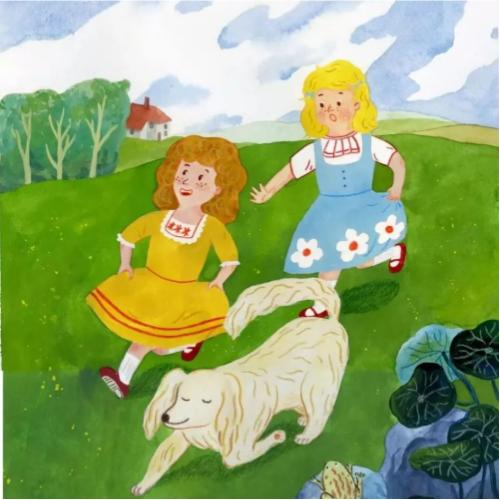
There are two characters in the book that I pay special attention to. One is the dog who silently bears everything. He is kind and pitiful, and always bears it all. The other is the domineering parents. I don’t like reading about them together. The kindness of the dog is not all forced by its owners. It has innate softness; but the parents’ attitude does make its life more depressed. It seems to have learned not to speak long ago, because it’s useless to speak. This “existent but not absolute” relationship reminds me of many unequal situations in life: it is not that no one resists, but the cost of resistance is too high, and silence has become a decent choice.
The cat is different. It is calm and witty, and can use logic and humor to dismantle authority. There is a story in which parents set an absurd rule: children are not allowed to play in the garden after 3:30 p.m. on Saturday. There is no reason and no exception. The cat and the little sister did not cry, but set the clock and used words to blur the rules on their own to break the situation. I laughed when I read this. After laughing, I was a little ashamed: How long have I not faced those unreasonable rules in such a relaxed way?
I originally wanted to escape into fairy tales, but I didn’t succeed. Every time I finish reading a story and put down the book, I will unconsciously compare it with reality: the unreasonable procedures in the workplace, the injustices acquiesced as “this is how it is” in life, and the quiet, forbearing “dog” part of myself in some relationships. But strangely enough, I’m not disappointed. This sense of connection is more interesting than pure escape. It didn’t make me forget reality, but made me view reality from a different perspective and accept its imperfection in a gentler and more humorous way.
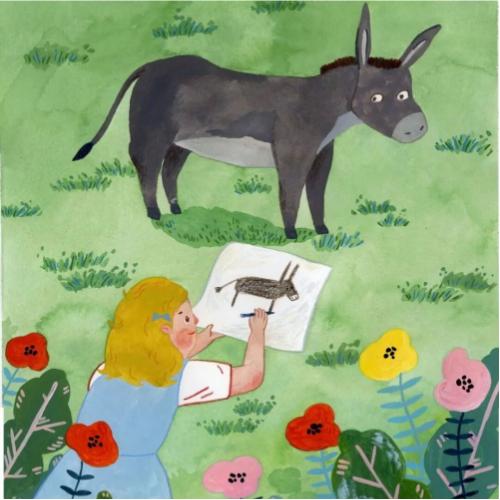
Aymé describes deformity and bizarre things in the most plain and natural language. Cats can talk and little girls can turn into donkeys. He narrates these things as casually as talking about nice weather. This attitude slowly seeped into my mind: when facing the absurdity in life, maybe we don’t need to get angry in a hurry. We can step back and examine it with a little humor.
I clearly remember a dialogue in the book. “Rules are rules. If everyone can explain the rules at will, what’s the use of rules?” Another voice replied, “But what if the rules themselves are unreasonable? Then they only deserve to be broken.”
When I was a child reading fairy tales, I only envied happy endings; when I grow up and reread fairy tales, I begin to notice tragic backgrounds and the flaws of human nature. It is not that the stories have changed, but that I have changed. Yet this is not a bad thing. Precisely because I have experienced the harshness of reality, I can understand the irony and tenderness hidden in those animal dialogues.
The world will not become reasonable just because of a fairy tale book. But I have learned to reserve a soft corner in my heart and build a small castle for myself that I can retreat to at any time.
The castle is not perfect, and there are also domineering parents and toiling dogs inside. But when I look at reality from this unique perspective, everything feels completely different.
