Look at your bedroom wall. What’s on it? Wallpaper? Paint? Bare concrete? Now imagine you can’t go anywhere. No work. No friends. No books. No writing. No thinking. The only thing you can do is stare at that wall. One day. Two days. One week. One month. How long before you lose your mind?
The woman in The Yellow Wallpaper lasts longer than you’d think. But that’s not the point. The point is, she was never crazy. The wall was. The world that locked her in was.
Locked up by love, that suffocates more than hate
The woman has no name. She is “John’s wife.” John is a doctor. He says her nerves are shot after the baby. She needs total rest. He rents a country house. Picks a former nursery for her bedroom. Bars on the windows. Bed bolted to the floor. The wallpaper peels at the corners, leaving a damp yellow underneath.
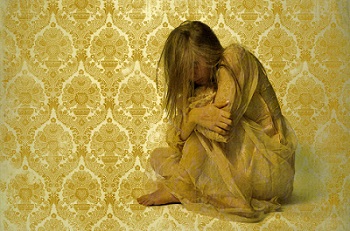
She says she doesn’t like the room. He smiles and tells her she’ll get used to it.
John forbids her to write. Forbids her to see too many people. Forbids her to make any decision on her own. He checks on her every day. Calls her “my dear” and “my little goose.” His voice is soft, like he’s calming a feverish child.
The neighbor comes by and says she looks so much better.Says John is such a good husband. Even she writes in her diary: maybe John is right. Maybe I really just need rest.
But every night she hears something in the wallpaper. Like fingernails dragging across cloth. She moves close. The sound stops. She lies back down. It starts again.
Wallpaper that breathes, words that claw through the wall
The book is a diary. The first few pages — long sentences. Clean. Almost playful. She sneaks her rebellious thoughts onto paper, like a grounded kid drawing faces on the wall.
But slowly — the sentences start breaking. One thought split into two, then three. She repeats words like a record stuck on a scratch. Flip the page and you catch yourself: your own eyes flickering back and forth across the lines.
That yellow wallpaper has a complicated pattern. Ugly, she says. Like toad color. Like a moldy face. On the third day, she sees a woman behind the pattern. Bent over. Shoulders pressed together. On the tenth day, the woman breaks loose at night, crawling along the baseboards. On the twentieth day, she can’t tell anymore.She can no longer tell whether she is seeing the woman in the wallpaper or her own reflection in the window.
The author lived through this “rest cure” herself. Locked in a house. Forbidden to write. Nearly lost her mind. Then she walked out. Wrote this book. Sent it to the doctor who invented the cure. He read it. He stopped using it.
A thin book, a thick wall
Ninety pages. The time it takes to drink a cup of tea or endure a sleepless night. You read it in one breath, not because the plot rushes, but because you cannot stop. That woman will speak to you on the last page. Her words linger, like a shard of glass embedded in your memory. Most days it doesn’t hurt. Then one moment — it presses.
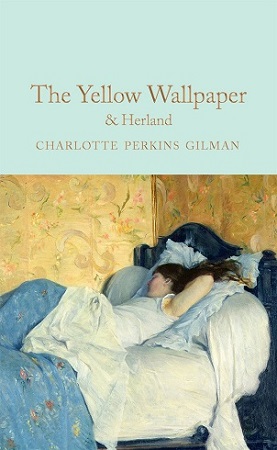
After you finish, you start noticing things you never saw before. A crooked picture frame. That faded cubicle wall at work. The blank faces staring into phones on the subway.One day you’ll say “I’m fine” to someone, and stop. And wonder if you meant it, or if you’ve just gotten used to the color of your own walls.
This book quietly points at the wall and says: there’s a pattern. And the pattern is alive. And anything alive eventually finds a way out.