The first time I read To the Lighthouse, I could never quite grasp its charm.
Having long read plot-driven stories, I naturally expect plots to unfold steadily, characters to make choices and conflicts to get resolved. But Woolf seems almost uninterested in that kind of storytelling. Much of the narrative features someone staring out the window, abruptly ended conversations, or fleeting thoughts. At first, I feared I had missed key details. Later I realized the book’s essence lies not in what happens, but in people’s inner perceptions of moments unfolding around them.
The story itself is simple. The Ramsay family and their friends spend a seaside holiday. Young James eagerly hopes to visit the lighthouse, but his father rules out the trip due to bad weather, putting his wish on hold. War breaks out, years pass, some lives end and bonds shift. Decades later, the survivors finally set sail and reach the once distant lighthouse. The slim plot barely sustains a full-length novel. What stays with me most is not the voyage itself, but how time quietly reshapes everyone.
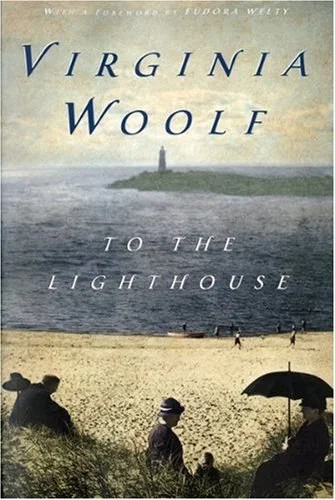
A striking scene lies in the second part, Time Passes. The once bustling house falls silent and empty. Wars, deaths and separations are briefly noted in parentheses in just a few words. Instead, ample space is devoted to wind drifting through rooms, fading wallpaper and dust settling on furniture. Something about that contrast stayed with me. Life mirrors this pattern. Major events we vow to remember fade into faint outlines over time, while dusk light, familiar rooms and subtle facial expressions linger vividly in our minds.
It reminds me of my college graduation. I thought I would retain every detail of the graduation ceremony, yet most memories blurred as years went by. By contrast, the sunset glinting on the opposite academic building’s glass, seen on the evening I vacated my dormitory corridor, remains crystal clear. Nothing significant occurred then, yet the moment feels far more memorable than many major life events. The book teaches me that life is defined not by grand occasions, but by those seemingly insignificant fragments of time.
Mrs. Ramsay is one of the most memorable figures. I initially saw her as an almost perfect mother. Gentle and thoughtful, she always tends to others’ feelings and strives to bring happiness to those around her. As the story progresses, I discover she also suffers from exhaustion, loneliness and self-doubt. Woolf depicts fluid, evolving characters rather than rigid stereotypes. How we appear to others seldom matches how we view ourselves. Woolf seems deeply aware of how difficult it is for people to fully know one another.
“Nothing simply happens.”
No event stands alone; every trivial moment is tied to memories, emotions and time. By the end, the lighthouse itself almost feels secondary to the passage of time surrounding it. The lighthouse symbolizes a far-off goal people long to attain. Upon reaching it, people come to realize the journey and life changes matter more than the final destination.
This book defies conventional literary judgment. It boasts no dramatic twists or definite conclusions, with poetic, unhurried chapters that form its unique appeal. Reading it encourages me to notice overlooked details: rolling waves outside windows, brief silences, fading memories, and how time subtly molds who we are.
Most books record life experiences, while To the Lighthouse explores human transformation amid the passage of time. The lighthouse stands firm, tides keep rising and falling, yet people grow far from their younger selves gazing from the shore. The lighthouse remains where it always was. What changes is the people looking toward it.
