Few books linger in my mind the way Wuthering Heights does after you finish it.
It has no gentle, romantic fairy-tale ending. There is no straightforward, wholesome love story. The book shows the most basic form of human nature. Love burns hot and wild. Hatred cuts to the bone. Obsession runs so deep that it can trap a person for life.
From the first page to the last, the dark and intense atmosphere never lifts. This book is like a glass of liquor. It burns your throat going down. Then it settles into your chest and stays there. Still you want another sip. I return to my quiet life. I look at the sunshine outside my window. I secretly think: thank goodness I never loved anyone that much. But that is exactly why the book stays with you.
Let’s Talk About the Characters First
I dare say you will not find another character like Heathcliff in all of literature. He is not the kind of tragic hero you can easily sympathize with. He is not the standard villain you love to hate. He is like a wildfire that you cannot stop. As a child, he was adopted. He was discriminated against. He was deprived of everything. Catherine is his only true companion in spirit. Two prickly, wounded children run wild across the moors. They are each other’s only comfort.
Then she said that “marrying him would lower my status.” Heathcliff disappeared. He stayed away for three years. When he came back, he had become a machine of pure hatred.
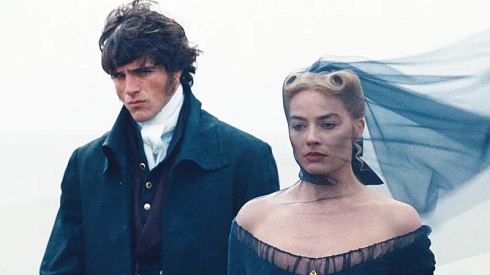
Is he evil? He did terrible things. He forced marriages. He imprisoned people. He caused abuse that spanned two generations. Then you watch him die in Catherine’s old bedroom with a smile on his face. You realize he had never truly lived at all. After she died, he was just a breathing shell.
Catherine’s line — “I am Heathcliff” — screams the soul of the whole novel. Their love is not a usual relationship between a man and a woman. It is one soul recognizing another. This is true even if that recognition leads them both to hell.
Speaking of the Atmosphere
Emily Brontë wrote the Yorkshire moors into your bones. The moors are a dark wilderness covered in heather. The wind in winter could tear you apart. Wuthering Heights itself is like a beast crouching on the moor. The windows are narrow. The rooms are always cold. The wind outside the door seems to be crying.
From beginning to end, there is no scene of “sunshine pouring over the lawn.” Even when the sun appears, it feels grim. This Gothic oppression is not the author showing off her skills. It is the characters’ inner worlds bleeding into the landscape outside. The anger and despair in Heathcliff’s heart are one with the wind and rain of the moors. As you read, you come to understand something. Some people are not meant to live in a warm and bright living room. They belong to the darkness. They belong to the thunder. They belong to the slow erosion of tombstones.
This book never makes you feel that any of this is “pathological.” Instead, it makes you feel something else. It makes you feel that the intensity of human emotions can be this immense. We usually just pretend to be tame.
A Story That Haunts the Heart
The night I finished reading Wuthering Heights, I did two things. I looked up Emily Brontë’s life. I thought to myself, “What had this woman gone through?” Then I went to the kitchen. I poured a glass of water. I stood by the window for a while. I looked at my quiet street and the lights on my neighbor’s house.
This book has this effect. It does not change your life. It makes you feel, for a while, that your life is a little too quiet.
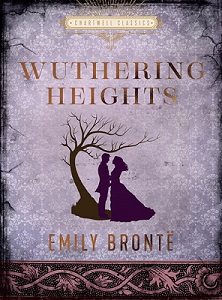
Someone asked me whether Heathcliff won in the end. He got the manor back. He drove his enemies to their deaths. He held both families’ property in his hands. When he died, the room was full of Catherine’s presence. He won and he lost. This is probably the most unsettling thing about Wuthering Heights. It makes you see clearly that some people live for just one person in their lives. That person is gone. The rest of their days are just an aftermath.
Do you think this is devotion? Do you think this is pathology? Do not be in a hurry to answer. When you think about it again, you may find that you also have a little Heathcliff in your heart.
So, Is This Book Worth Reading?
I will not try to convince you. I can only say this. The book will not even give you an ending where good people get good rewards. On some sleepless night, it will make you suddenly think of that man standing on the wasteland. He cannot open his eyes against the wind. Then you will feel that your own small troubles do not seem so heavy after all.
The sunshine outside my window is pretty nice. It is up to you to open the next book.