Your eight-year-old bursts in from the backyard in cleats, clutching a participation medal from his soccer game. “We lost,” he says, “but the coach said I made an amazing save.” He holds the medal out toward you. You default to your usual line: “Great job. I’m so proud of you.”
He nods, drops the medal on the counter and asks for a snack.
You stand there, uneasy with the empty exchange.
Countless parents face this awkward spot. Your child truly earns recognition for solid effort, yet you rely on the same tired praise phrase every time. Your words don’t seem to stick. Many parents secretly wonder how to praise a child for good work — enough to encourage without overdoing it.
This piece covers practical alternatives: how to honor a child’s hard work beyond spoken compliments.

An unexpected truth: the best praise sometimes needs no words at all
Education pioneer Maria Montessori once noted kids draw deepest satisfaction from personal pride in finishing something themselves. Overblown adult praise can block them from feeling their own sense of achievement.
One mom shared a story online. Her daughter finished a 500-piece puzzle and called her over excitedly. She bit back the urge to gush “You’re incredible.” She simply knelt and watched quietly for a few seconds. The girl pointed to one puzzle piece and said she’d spent half an hour hunting for it, then wandered off content. The mom later wrote: “She didn’t need my approval to know she’d done well.”
Tip 1: Turn their work into something tangible
Hanging artwork on the fridge carries more weight than most parents realize. Parenting expert Adele Faber suggests displaying kids’ creations around your home. The simple act signals their work matters.
A dad shared his heartfelt, unpolished experience online. His five-year-old drew a winged cat. Instead of generic praise, he laminated the picture after bedtime and set it in a small frame on her bedroom shelf. The next morning, the girl stared at her art for a long moment before bringing it to her mom in the kitchen. She showed up for breakfast noticeably earlier just to glance at her drawing again. “I never said a single nice thing about it,” the dad wrote, “but she thought it was her best work ever.”
Easy daily steps: hang drawings instead of stashing them away; store certificates in clear folders instead of desk drawers; reserve a fixed shelf spot for handmade crafts your child finishes alone. These small gestures speak louder than praise.
Tip 2: Build a short family ritual to replace repetitive compliments
A fifteen-second shared routine sticks far longer than endless “good job” lines. Child psychologist Kenneth Barish observed that warm smiles, high-fives or focused attention register genuine recognition better than vague praise when kids show off their progress.
One family created a simple custom. After hitting a learning goal, everyone high-fives, shouts a silly made-up word “Boom!” and walks a quick lap around the yard. The whole routine takes under fifteen seconds, yet their child regularly asks to go through the ritual. Weeks later, stuck on a tough problem and ready to quit, he whispered “Boom” to himself. His mom realized the phrase became his personal pep talk to believe in his own ability.
Craft your own routine: a unique high-five handshake, a private family catchphrase or a short kitchen walkthrough. Repeat it consistently, and your kid links the ritual to your sincere approval.
Tip 3: Let them walk you through their process instead of you summing up their success
Instead of only asking how they pulled something off, step further back and let them narrate their whole experience. Montessori wrote children naturally love retelling their creative process, and sharing builds internal self-praise.
One mom tested this with her son after he built an intricate Lego set. She skipped praise, pulled out her phone to record audio and said, “Tell me how you fixed those tricky gears.” Surprised, the boy talked nonstop for several minutes. He explained why he built the base first instead of following instructions, how he fixed misaligned gears and where he nearly tore the whole build apart.
The mom only nodded and hummed along without judging his work. “His process was far more impressive than any compliment I could come up with,” she said later. The boy replayed the recording repeatedly, not chasing her praise but revisiting his own win over a hard challenge.
No recording required. Just sit down, prompt “Walk me through what you did,” and listen without interrupting. Talking through their steps lets kids validate their own hard work.
Tip 4: Ask them to teach you — turn praise into a genuine request for help
Flip typical praise around by inviting your child to coach you. Harvard theorist Howard Gardner’s multiple intelligences framework states teaching others deepens understanding and builds steady confidence.
After her son won a school writing contest, one dad skipped proud speeches. He explained his mother struggled to write natural character dialogue and asked the boy to read his winning essay and coach her writing tricks. The child prepped carefully, read his work aloud and broke down his writing choices: using physical actions instead of plain phrases like “he felt sad,” letting conversations move the plot forward. Inspired, he started writing original short stories on his own soon after.
This method sends a clear message: their ideas and effort hold real value for other people, not just empty praise about being smart. Kids easily tell the difference.
Tip 5: Sometimes the best reaction is no immediate reaction at all
This overlooked step matters most. Kids already feel proud after finishing a task, and sudden praise yanks their focus away from inner satisfaction toward hunting your approval instead.
In The Absorbent Mind, Montessori explains constant adult feedback robs children of enjoyment for the task itself and trains them to rely on outside praise to feel worthy. If your kid finishes a puzzle, smiles and nods quietly to themselves, step back and leave them to their small moment of pride.
One mom almost rushed in to compliment her daughter after the girl tidied her whole desk and drawers alone. She held back and peeked through the door instead. She watched the child glance over her neat space, nod in quiet satisfaction and head off to play. “That small self-nod meant more than any praise I could give,” she said. “My excited words would’ve shifted her focus from her own pride to wondering what I thought.”
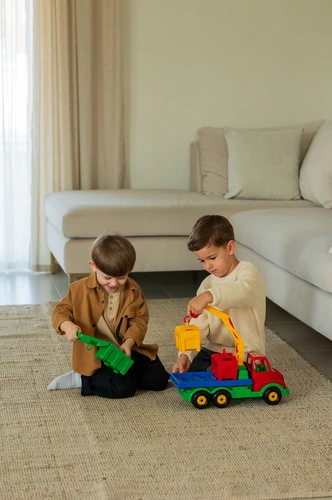
What to Say When You Want to Praise a Child for Good Work
Sometimes you do want to use words — but short, specific phrases work better than long compliments. The goal is to name what you see without judging it as “good” or “amazing.” Try one of these simple statements instead:
Examples Of Praise For Good Work
I noticed how patient you were.
You worked hard on that.
You didn’t give up.
That took persistence.
I saw you fix your mistake.
Key boundaries to avoid overdoing it
- Skip over-the-top rituals for routine homework; save small celebrations for meaningful milestones. Let your child decide what counts as noteworthy achievement through their own reactions.
- Never compare them against siblings or peers. Confidence built on outshining others collapses once they meet more skilled peers.
- Avoid oversized celebrations for every small win. Pressure to match big expectations can stop them from trying harder new challenges. Follow your child’s lead for celebrations.
Closing thought
Someday your child brings over a finished story, block tower or sports highlight. You pause, lean down and watch quietly. You ask, “Which part are you proudest of?”
Caught off guard, they start sharing their process.
In that moment, you realize perfect praise lines are unnecessary. Your steady presence is enough to honor their hard work.
Learning how to praise a child for good work isn’t about mastering clever parent phrases. It helps children develop confidence that comes from within, a lasting confidence no outside compliment can ever take away.
Sources Referenced
Montessori, Maria.
The Discovery of the Child
Montessori, Maria.
The Secret of Childhood
Montessori, Maria.
The Absorbent Mind
Faber, Adele.
How to Talk So Kids Will Listen & Listen So Kids Will Talk
Gardner, Howard.
Frames of Mind: The Theory of Multiple Intelligences
