Before reading this book, I assumed it was just another self-help guide preaching “eat more vegetables and go to bed earlier.” It wasn’t until I flipped through a few pages that I realized it wasn’t teaching you how to “treat” illness at all, but rather probing a more fundamental question: Why do people get sick in the first place?
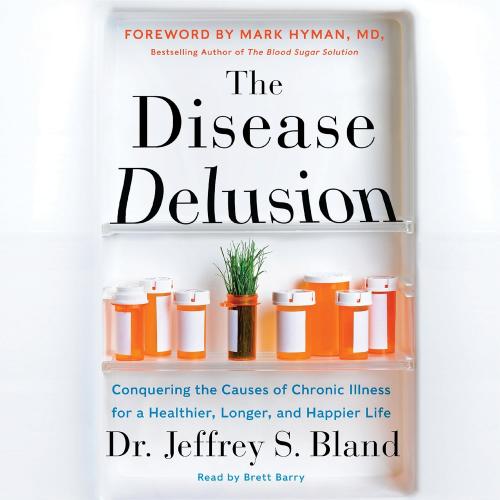
The core of functional medicine can be summed up in four words: upstream thinking. Instead of waiting for a disease to manifest and then managing the symptoms, we must trace the problem back to its source—the root cause of your illness. Using systems biology as a framework, the book maps out the interactions among the body’s seven core physiological systems. When one system malfunctions, others follow suit: for example, leaky gut can lead to allergies and autoimmune diseases; immune dysfunction can trigger a cytokine storm; and mitochondrial dysfunction can cause fatigue and accelerate aging.
Many people believe that illness is determined by genes, but this is not the case. The author points out that genes play only a partial role; the key lies in how genes function. And what influences gene function are external factors such as our lifestyle habits, diet, and environment. Take Alzheimer’s disease, for example: less than 5% of early-onset cases are strongly linked to genes; the majority are caused by poor lifestyle habits, such as consuming too many refined carbohydrates, lack of exercise, and prolonged sedentary behavior. So, how exactly do diseases occur?
The book’s central thesis is that illness, at its core, results from a disruption of the body’s balance. It recounts the story of a child who suffered from psoriasis from a young age; taking antibiotics actually worsened the condition, but adjusting his diet eventually cured him—because he restored his body’s physiological balance. Therefore, while genes do not determine whether we will develop chronic diseases, they do guide us on how to live.
The book offers many practical tips: what to eat, how to exercise, and how to manage daily routines. For example, cruciferous vegetables detoxify and protect the liver, green tea provides antioxidants, and turmeric has anti-inflammatory properties—these are all highly practical insights. I tried eating broccoli for a week; while I didn’t experience any miraculous changes, I did feel a bit lighter. Additionally, the book includes questionnaires to assess lifestyle factors like exercise and sleep quality, helping us self-diagnose. After completing the questionnaire, I realized my sleep quality had always been poor—I just hadn’t realized it.
Although the book is thick, it’s not difficult to read. The content is very detailed; it not only tells us what to do but also clearly explains the reasoning behind it, which is very convincing. After reading it, I tried adjusting my diet and exercise routine, which was particularly helpful in restoring my body to its optimal condition. To be honest, I’ve read quite a few health books before, but this one is truly different.
After finishing this book, it felt as though I had undergone a complete restructuring of my understanding of health—from the cellular level all the way up to lifestyle. It doesn’t erect barriers with obscure jargon; instead, it uses medical terms like “detoxification,” “immunity,” and “body structure” as anchors, breaking down complex physiological logic into tangible “verbs.” This allowed my understanding of “health” to completely transcend the limitations of “treating illness” and shift toward the underlying logic of “repair and balance.” While the concept is sound, reality is another matter.
At the end of the book, the author thoughtfully provides a 7-day ideal meal plan featuring high-quality ingredients and scientifically balanced pairings. But when we return to the reality of working life, we realize: we don’t have time to shop, the energy to cook, or the means to eat organic every day—let alone completely replicate the lifestyle described in the book. Who doesn’t feel this way? In that moment, I suddenly understood: books offer ideals, while life offers reality. We need not feel anxious because we can’t afford the book’s exquisite ingredients, nor blame ourselves for failing to maintain a perfect schedule, nor panic over genetic predispositions. I prefer to view health as an ongoing process of restoration and dialogue—listening to the body’s signals, respecting its rhythms, and using scientific methods to reduce stress and replenish energy. Only then can we sustain vitality and resilience over the long term.
For those pursuing long-term health—especially those in a suboptimal state of health or with a family history of illness—this book may not immediately transform your life, but it will certainly change the way you view health. And that, precisely, is the “key” worth trying.
