You’re comparing two jars of pasta sauce at the grocery shelf when a tiny hand tugs your shirt. Your three-year-old wandered off to the toy aisle without you noticing, clutching a glowing unicorn plush, eyes shining with sheer delight.
“I want this.”
You say no.
Then the familiar meltdown unfolds in slow motion. Her body goes limp and she collapses on the floor like melted butter. Her wailing is so loud a nearby shopper suddenly fixates on canned goods.
This behavior is normal for toddlers. Most kids test boundaries with repeated requests because their self-control is still developing. What matters is how you respond consistently.
If this rings true, you’re far from alone. Most parents find every outing after age two turns into constant bargaining, sometimes an unexpected standoff. Below are practical tips from child development research and experienced caregivers. Some feel counterintuitive, but give them a try.

How to Handle a Toddler Tantrum in the Store (Immediate Steps)
Rule one: never reason with a mid-cry child. Their rational brain shuts down completely.
A forty-year long-term study links young kids’ poor self-control to unfinished brain development. The prefrontal cortex, which manages impulse control, only fully matures in our mid-twenties. During tantrums, the emotional parts of the brain tend to dominate, making reasoning much harder. You can’t bargain with raw feelings, so skip lectures, excuses and haggling entirely.
Let the item stay store-owned. A popular Reddit trick: let your child hold the toy while saying clearly, “You may carry it, but it belongs to the shop, not us.” At checkout, most kids set it down or hand it to cashiers and even wave goodbye. The mum who shared this says kids mostly crave the fun of holding the toy, not permanent ownership. One comment adds, “I’ve used this for years and ignore strangers’ stares.”
Take a photo instead of buying. Many parents snap pictures and add toys to birthday or Christmas wishlists saved in phone notes. Most children accept this compromise and quickly lose interest. A few listed items later turn into real holiday gifts.
Validate feelings, not requests, then stay quiet. Kneel to their eye level and say, “I know you really want this. It’s upsetting not getting it.” Never add “but”, which turns empathy into negotiation. One mum resisted giving in after her child screamed louder at first. Half a minute later, the loud crying softened to whimpers. The little one learned tantrums fail to get results.
Pre-Shopping Rules to Stop Grocery Store Tantrums Before They Start
In-store quick fixes help, but real progress comes from consistent pre-trip ground rules repeated every time.
Before stepping through automatic doors, hold up three fingers. “Today we get milk, bread and bananas. No toys. You can point out fun things, but we won’t buy any. Remember our deal?”
Never ask “Is that okay?” Children need steady routines rather than voting rights. Psychologists call random compromise intermittent reinforcement. When parents cave occasionally, kids beg repeatedly. Studies show some youngsters ask for a single item over fifty times hoping for a lucky yes.
Kids who know toys are off-limits throw far fewer fits. One dad thought pre-trip reminders sounded silly for a toddler who still views peekaboo as magic. After two weeks, his daughter reminded him voluntarily: “Only milk, bread and bananas, no toys today.”
No fancy games required. Repeat the same rule each outing to help kids build clear expectations and cut meltdowns. For kids who struggle with rules, draw three circles on paper at home and cross one off after each purchased item to turn abstract plans into visible cues.
Why the Three-Jar Money Method Often Fails
You’ve likely seen Pinterest’s trendy three mason jars marked Spend, Save, Donate, a photogenic way to teach kids money management.
What those posts omit: most four-year-olds dump all allowance into the spend jar for an instant plastic toy, then regret their purchase on the drive home. That regret itself delivers the best financial lesson.
A Reddit dad shared how his six-year-old saved for weeks for an advertised toy. She lost interest after one cartoon’s worth of play and begged for a refund. Denied, she never begged for impulse buys for two whole months. One disappointing purchase beats dozens of money lectures.
A London School of Economics study offers an interesting angle: kids tie shopping to social standing. They crave purchases partly to keep up with peers, not just for the toy itself.
Many parents accidentally fuel begging via random give-ins, the same intermittent reinforcement seen in classic rat experiments. Rats tap levers nonstop for unpredictable food rewards, just as kids escalate tantrums when unsure which refusal might turn into a yes.
Stick to steady boundaries: say no firmly within set rules or agree happily when affordable. Never hesitate or bend rules sporadically, as your inconsistency fuels endless tantrums.
3 Parenting Mistakes to Avoid When Your Child Wants to Buy Everything
- Claiming you cannot afford it: Phrases like “We can’t pay for this” plant lasting money insecurity. Reword it: “We choose to spend our money on other things instead.” This shifts focus from lack to personal choice.
- Conditional rewards: “Be good and you might get a treat” trains kids to demand rewards for basic good behaviour. Soon they start bargaining for every small task.
- Public shaming: Scolding outbursts or comparing kids to calmer peers stops crying temporarily yet leaves deep harm. One adult shared childhood comparison trauma left her afraid to stand up for herself at work later in life. Peace gained through shame comes with a steep hidden cost.
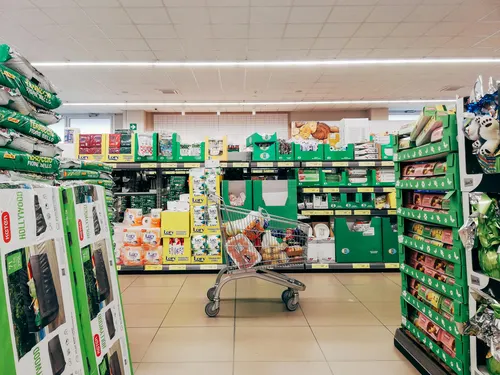
One single question that changes everything
This simple trick works for countless families. Next time your child begs for something, pause before saying yes or no.
Kneel down, meet their gaze and ask: “Is this something you need, or something you want?”
Wait three full seconds before responding. Those three seconds pull their brain from impulsive craving to gentle reasoning. Even if they still answer “want”, the critical difference between need and desire has already started to sink in.
It’s normal to slip up, give in or flush with embarrassment mid-grocery run. All parents have been there. You are not alone.
FAQ:
Q1: How many times is “normal” for a child to ask for something before giving up?
Studies show kids between 12 and 17 ask about 9 times on average. A small number go over 50 requests. The real problem isn’t the number — it’s that random parental “yes” trains them to keep going.
Q2: What if the “store ownership” trick stops working after a few weeks?
Many kids catch on fast. Try a small upgrade: let them “pay” for the item with a pretend card or a coin they drop into a donation box near the register. The ritual of letting go stays the same; only the props change.
Q3: My child screams louder when I validate their feelings. Did I do it wrong?
That initial louder scream is actually a good sign — it means they heard you. Stick with the silence after your one sentence. Most parents who panic and start negotiating again never see the quiet that comes 30 to 60 seconds later.
