My neighbor’s son, Jack, is seven. Two years ago, he could sit at the kitchen table and draw dinosaurs for forty-five minutes without stopping. Last week, his mom told me she can’t get him to brush his teeth without a tablet propped on the sink. The second the screen goes dark, he has a total meltdown.
So what’s actually going on in a child’s brain? If your kid spends too much time on a phone, here’s what happens inside their brain…
First, the blue light from screens blocks melatonin — that’s the hormone that helps with sleep. Without enough melatonin, their brain can’t fully rest at night, which makes them tired and cranky during the day.
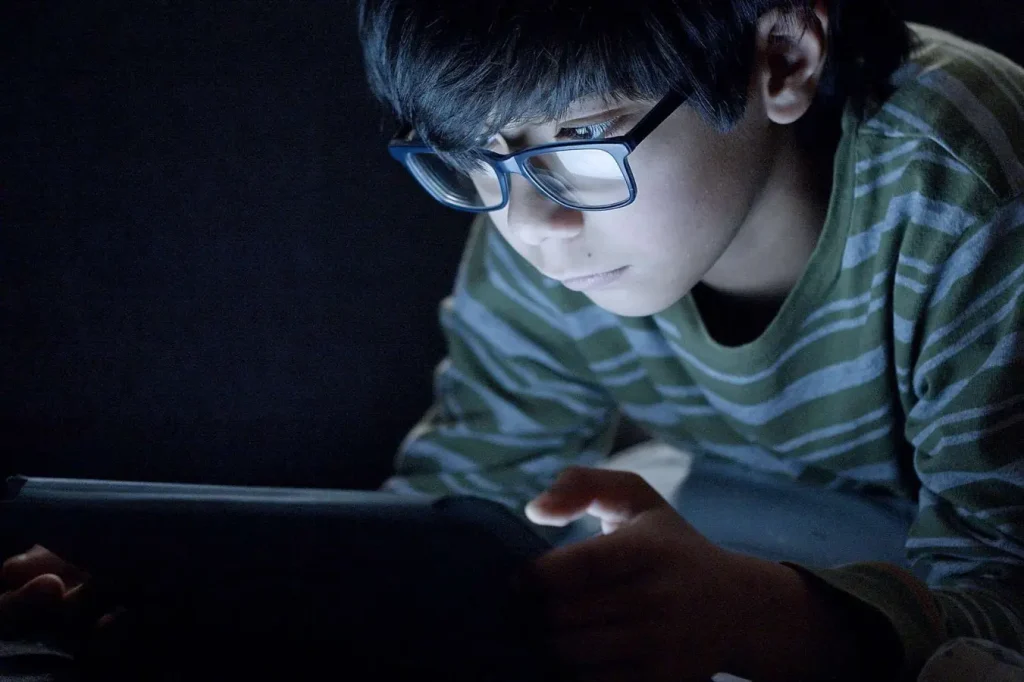
My daughter used to fight bedtime like it was a personal insult. But here’s the thing I didn’t realize: it wasn’t her being difficult. It was the screen. We had a rule — she could watch videos on my phone for thirty minutes before bed. I thought it was quiet time. I later realized I was wrong.
That blue light tricked her brain into thinking it was noon. Melatonin production plummeted. So she’d lie there, exhausted but wired, her brain stuck in a weird half-asleep state. The next morning? She was a walking disaster. Spilled milk became a tragedy. Forgetting her jacket became a crisis.
Here’s what I learned the hard way: without enough melatonin, their brain can’t fully rest at night. It’s not just about hours in bed. It’s about deep sleep. That’s when the brain cleans itself — literally flushes out waste, consolidates memory, resets for the next day. Take that away, and you get a kid who’s not just grumpy. You get a kid operating with a half-cleaned brain.
Next, every swipe, tap, and notification triggers a small release of dopamine — the brain’s ‘pleasure chemical.’ Over time, this constant stimulation can rewire the brain, making your child crave screens the same way people crave sugar or junk food.
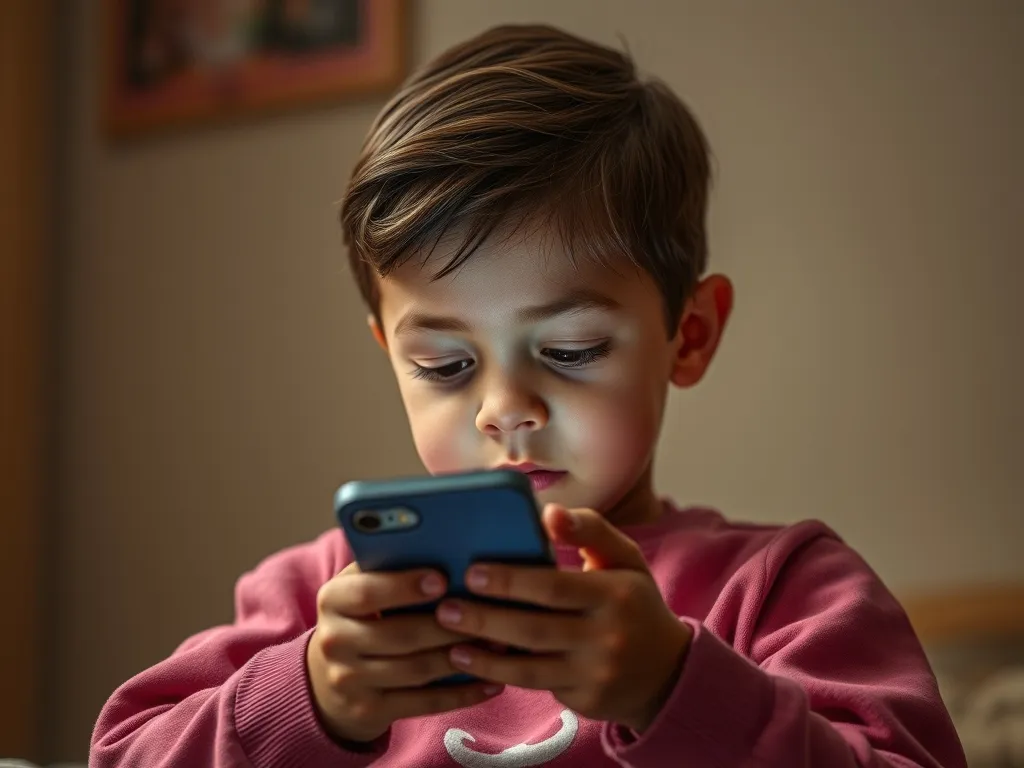
Remember the first time you ate a piece of really good chocolate? That little rush of “oh, I want more of that”? That’s dopamine. It’s not evil — it’s how our brains learn what’s rewarding. The problem is what happens when that reward comes every two seconds.
I watched this happen with my son around age nine. He was playing one of those building games — every few seconds, there was a little burst of light, a sound effect, a “congratulations, you collected a coin” popping up. But his face was blank. Like a little zombie pulling a lever.
Too much dopamine overload makes it harder to focus, impairs memory, and even slows learning. Their brain gets used to the big, fast hits. Then you ask them to sit down with a math worksheet? No flashing lights. No sound effects. No instant reward. Of course they check out.
That’s why kids may struggle in school, have shorter attention spans, and feel anxious or restless when they don’t have a device.
So stop it immediately and replace screen time with healthy activities:
- outdoor play
- reading
- spending time with family
The truth is, screen addiction isn’t just bad for the eyes — it’s actually reshaping the brain. But here’s the good news: you can help it rewire in a healthier direction. These habits help the brain grow stronger, sharper, and healthier. Not because they’re boring and good for you. Because they’re real. The real world will always beat a glowing rectangle — once you give it a chance.