Someone just called you crazy. Maybe it was in a meeting when you suggested something unconventional. Maybe it was in a conversation with a friend who didn’t understand your perspective. Maybe it was someone trying to dismiss you, shut you down, or make you feel small.
The word lands like a slap. Your face gets hot. You want to defend yourself. You want to explain why you’re not crazy. You want to prove them wrong.
Here’s the thing: when someone says you are crazy, it often says more about them than it does about you. People call others crazy when they don’t understand them. When they’re threatened by them. When they can’t control them. “Crazy” is what people call anyone who operates outside their comfort zone.
And here’s a little secret: sanity is highly overrated. Some of the most creative, brilliant, and successful people in history were called crazy. They were the ones who saw things differently. They were the ones who refused to fit in. They were the ones who changed the world.
So what to say when someone says you are crazy? Here are five responses that work.
Key Takeaways (At a Glance)
- If you want to own it: “I’ve heard that before. It usually means I’m on to something.”
- If you want to deflect with humor: “Sanity is highly overrated. I’d rather be interesting.”
- If you want to show you’re unbothered: “I get that a lot. Anyway…”
- If you want to challenge them: “What do you mean by that specifically?”
- If you want to shut it down: “That’s a dismissive thing to say.”

The Best Response: “Sanity Is Highly Overrated”
Sometimes the best response is the one that doesn’t defend. Doesn’t explain. Doesn’t justify. Just accepts and moves on.
“Sanity is highly overrated.”
I’ve heard this one used in a meeting. A woman suggested an unconventional approach. A colleague said: “That’s crazy.” She just smiled and said: “Sanity is highly overrated. Anyway, what I was saying…” She didn’t get defensive. She didn’t explain why she wasn’t crazy. She just shrugged it off. The room chuckled. The colleague was shut down without a fight.
Why does this work? Because you’re not arguing. You’re not saying “I’m not crazy.” You’re saying “if I am, I don’t care.” And that’s a position of power.
Tired of freezing up when someone tries to dismiss or gaslight you?
Having a quick comeback is great, but mastering high-stakes communication takes a strategic framework. Learn exact scripts, boundary-setting language, and calm responses to stay in control in [Say It Right Every Time].
[ Get the Complete Response Playbook ↓ ]
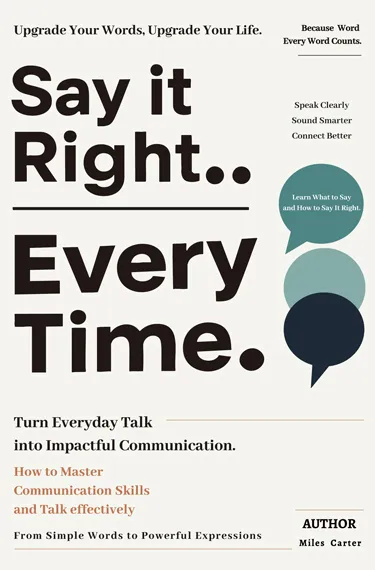
Say it Right..Every Time.
Miles CarterPractical communication tools for the moments that matter — say what you mean, calmly and confidently.
What’s Really Happening When Someone Calls You Crazy
People usually say “you’re crazy” for three reasons.
First, they don’t understand you. You have a perspective they can’t grasp. Instead of trying to understand, they dismiss it by calling it crazy. That’s easier than engaging with something unfamiliar.
Second, they’re threatened by you. You’re doing something they’re afraid to do. You’re thinking something they’re afraid to think. They call you crazy to make themselves feel better about their own choices.
Third, they’re trying to control you. They want you to stop doing what you’re doing. They want you to fall in line. Calling you crazy is a way of saying: “Your behavior is unacceptable. Come back to where you belong.”
Understanding this helps you respond without taking it personally.
Other Ways to Respond
If you want to own it:
“I’ve heard that before. It usually means I’m on to something.”
If you want to deflect with humor:
“Sanity is highly overrated. I’d rather be interesting.”
If you want to show you’re unbothered:
“I get that a lot. Anyway…”
If you want to challenge them:
“What do you mean by that specifically?”
This forces them to explain themselves. Most people can’t explain why they called you crazy without sounding foolish. It’s a vague, dismissive word. When you ask them to clarify, they have to either back it up or back down.
If you want to shut it down:
“That’s a dismissive thing to say.”
This is direct. It’s not aggressive. It’s just pointing out the behavior.
When Someone Says You Are Crazy at Work
At work, being called crazy can feel especially threatening. You don’t want to seem unstable. You don’t want to damage your reputation.
But the same responses work. “That’s an interesting take. Here’s why I think this approach makes sense.” You’re not engaging with the label. You’re just moving the conversation back to the work.
If a colleague says your idea is crazy, you can say: “I know it’s unconventional. Here’s the problem it solves.” That’s a more productive response than getting defensive.

The Power of Not Defending Yourself
The moment you defend yourself against “crazy,” you’ve already lost. You’re playing their game. You’re on the defensive. You’re treating their label as something that needs to be addressed.
When you don’t defend yourself, you stay in control. You’re not wasting energy trying to prove you’re not crazy. You’re just moving forward with your life.
Your energy is better spent showing people what you can do, not convincing them you’re normal.
Why “Crazy” Is Often a Compliment
Think about the people who have changed the world. Inventors. Artists. Entrepreneurs. Activists. How many of them were called crazy? How many of them were dismissed? How many of them were told their ideas were unrealistic, impossible, or just plain insane?
“Crazy” is often just another word for “different.” It’s what people say when they encounter something they can’t put in a box.
So when someone says you are crazy, maybe take it as a sign. You’re seeing something they can’t see. You’re going somewhere they can’t follow. You’re thinking something they can’t understand.
Sanity is highly overrated. Some of the best things in life come from the people who were never quite sane enough to fit in.
FAQ
Q: When someone says you are crazy, what’s the best response?
A: The best response depends on the situation. “Sanity is highly overrated” works well when you want to own it. “What do you mean by that specifically?” works when you want to challenge them. “I get that a lot” works when you want to show you’re unbothered.
Q: What if they’re trying to insult me?
A: Don’t engage with the insult. Respond with calm confidence. A simple “I guess we see things differently” can be enough. You don’t have to prove anything.
Q: What if they say it in a professional setting?
A: Redirect to the topic at hand: “That’s an interesting take. Here’s why I think this approach makes sense.” You’re not addressing the label, you’re staying professional.
Q: What if I feel hurt by it?
A: It’s okay to feel hurt. People sometimes say things that sting. But you don’t have to show it. You can say: “That’s a dismissive thing to say” and leave it at that.
Q: Is it okay to say “sanity is highly overrated”?
A: Yes. It’s a confident, unbothered response. It’s playful. It shuts down the conversation without attacking the other person.