When you think of public speaking, what comes to mind? Big names on stage, talking with confidence? Or company leaders speaking at long meetings? It can feel far away. Like it’s not for you. Like normal people don’t really need it. But things have changed. Today, speaking isn’t about long speeches. It happens in small moments, in quick gaps, in everyday situations.
Think about it. Those moments when you open your mouth and instantly regret it. Too many. An interviewer says, “Tell me about yourself,” and your mind goes blank. At a wedding, someone asks you to say a few words, and all you manage is “thank you, everyone.” A client asks a simple question, and you stumble, pause, lose the deal. No warning. No slides. No stage. No mic. No time to prepare. No chance to rehearse. That’s impromptu speaking.
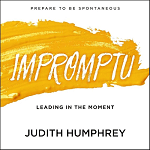
Now the word “impromptu” might make you nervous. Sounds like talent, right? Like you either have it or you don’t. If you’re not good with words, are you just stuck? Not really. This book shows something different. It says impromptu speaking is not about talent. It’s about structure. It gives you clear, practical methods, so you can practice on purpose, learn simple speaking patterns, and handle those sudden moments with more control.
The author breaks it down into four steps. Simple. Easy to remember.
First, grab attention and connect with your audience.
Second, state your main point, clear and direct.
Third, build support, explain your reasons in a simple structure.
Fourth, end with action, turn your idea into something people can do.
Judith Humphrey calls this the “leader’s speaking script.” With a bit of adjustment, anyone can use it, in meetings, job interviews, or social events.
A full response might only take 30 seconds. That’s it. But with this structure, people see you differently. You’re no longer the person who says “it’s okay, I guess.” You come across as clear, focused, and capable of solving problems. The book also gives tons of real scenarios. How to handle tough questions. How to speak up in meetings. How to deal with difficult clients. Most awkward moments you’ve faced, there’s a way to handle them.
After reading it, I had one big thought. It’s not that I can’t speak. I just never learned the method. It’s like swimming. I used to think people who swim well were just born that way. Turns out, they just learned how to breathe and kick. This book is like a coach.
Don’t wait until the next awkward moment hits. Pick it up. Next time the elevator doors open, you might be the one who speaks smoothly, like it just came out naturally. In a world where everyone is fighting for attention, being able to speak well is one of the best skills you can have.
