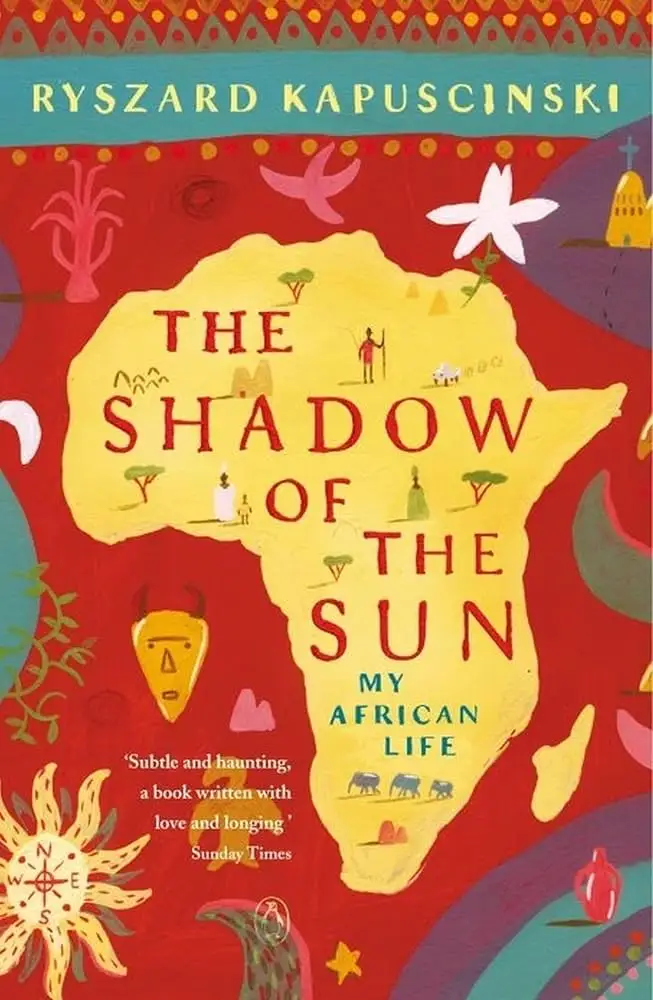
I pulled the book off the shelf and stopped cold at one sentence on the cover:
Only Ryszard Kapuściński could write an Africa this raw, this relentless, this brutally true.
I thought: that’s a hell of a claim. But after reading it, I realized the claim wasn’t big enough. Kapuściński spent more than thirty years in Africa. He lived in the slums. He waited with locals for buses that might never come. He looked for shade under the same sun. He lived through twenty-seven coups and revolutions. The book came out in the late nineties, but the words still burn.
A stolen pot was a stolen life
One scene stopped me cold. Kapuściński heard a woman let out a desperate wail. Her pot had been stolen. It was her only pot. Every morning she used it to borrow beans on credit. She cooked them, sold them, and bought herself a meal. No pot, no life. I put the book down when I read that. A pot. I have five pots in my kitchen, each a different size. The most expensive one could have kept that woman alive for years. But I had never thought that a person’s whole life could be defined by a pot. And destroyed by losing one.
Kapuściński was not a journalist who photographed suffering from a distance with a telephoto lens. He lived in the slum. White rooster feathers white rooster feathers hung from his doorframe – a talisman from a local healer. His things got stolen too. A neighbor told him it was a good sign. It meant the community had accepted him. I sat with that for a while. Being robbed meant being welcomed. That logic fell completely outside anything I understood. But on that land, it held.
The people in the sun and the people in the shade lived in different times
He wrote about Africa’s sense of time in a way that made me question my own life. He said Africans don’t see time as a series of evenly spaced ticks on a clock. Events define it. When everyone arrives, that’s the time. When something happens, that’s time passing. The rest of us are chased by time. Catch the subway. Hit the deadline. Achieve our goals before turning thirty. They sit under a tree and wait for the bus. The bus leaves when it’s full. Full means it’s time.
It was another complete logic. Africans live on the front line from birth to death, always fighting against a brutal natural world. To stay alive, to survive – that alone is their greatest victory. A man at war every day doesn’t need a stopwatch to prove he’s living hard enough.
The closer to the sun, the darker the shadow
The shadow moves with the sun every hour. And the people move with the shadow. They creep with it. That is their real work every day. Where the sun burns hottest, the shadow falls deepest. And those shadows are not just darkness. They are shelter. A place to catch your breath.
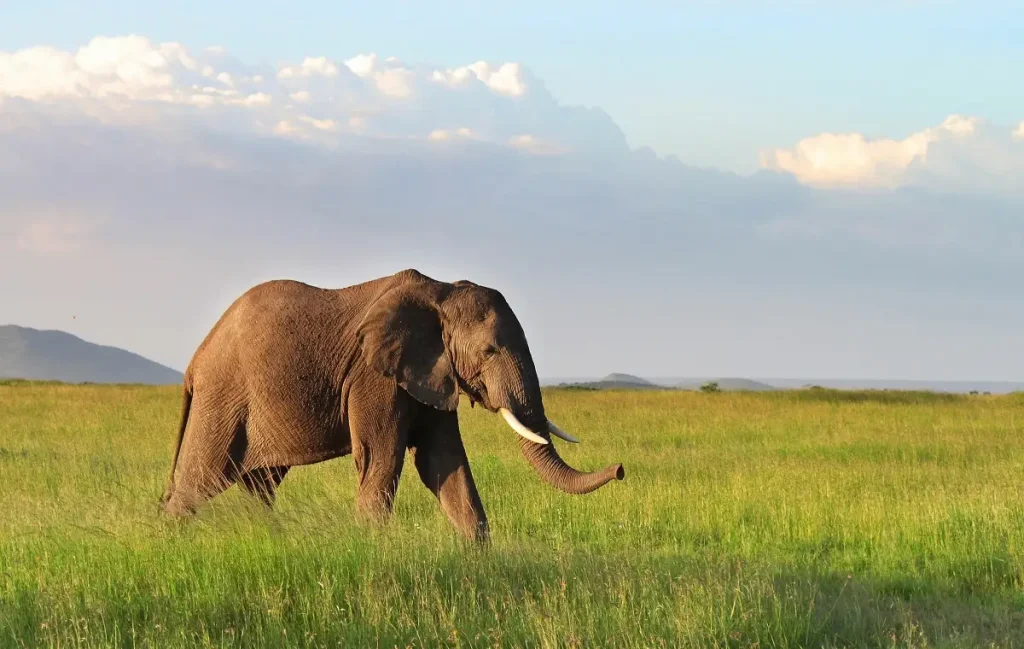
Before this book, Africa for me was a nature documentary and news headlines. Grasslands. Desert. Starving children. Boys with rifles. But Kapuściński tore off those labels. He showed me a person who could be so poor she owned nothing but a single pot and still laugh. He showed me a tribe with no written language passing down centuries of memory by mouth alone. He showed me an elephant walking into a lake, with light still in its eyes.
When I closed the book, I looked up news from South Sudan. They were still fighting there. Still dying. Still forgotten by the rest of the world. The things Kapuściński wrote thirty years ago were still happening thirty years later. But he made me believe one thing. The people in the shadows are still moving. Still crawling with the shade. Still holding their lives together with one pot, one tree, one story. That is their real work every day. And this book pays tribute to that struggle.