I was stirring pasta sauce when my older daughter howled that her little sister “breathed too loud.” The younger one immediately flung herself onto the kitchen tiles, sobbing. It was 5 p.m. on a Tuesday. My husband was still at work. The baby was napping, mercifully. And I realized something had to change. I was spending more time refereeing fights than actually enjoying my kids. Somewhere deep down, I knew there had to be a way how to help siblings get along that didn’t involve separate zip codes.
Quick Ways to Stop Sibling Fighting Today
If you’re drowning in daily battles, try these:
- Take away the disputed toy without a lecture.
- Create clear “my stuff” and “our stuff” zones.
- Find one activity they both genuinely enjoy and make it a daily ritual.
- Ignore minor bickering; your attention often fuels it.
- Notice and name out loud every single kind moment between them.
Why Do Young Siblings Fight So Much?
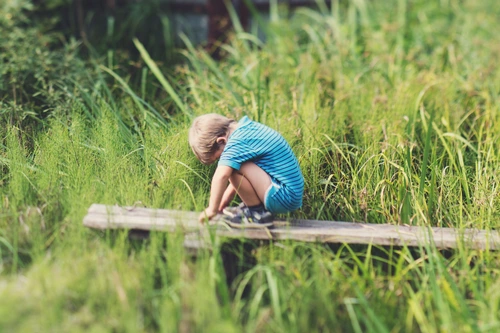
One afternoon, I watched my girls squabble over a pink plastic pony. It hit me that the younger one wasn’t really after the pony. She wanted to be near her big sister, doing whatever she was doing. Meanwhile, my older daughter felt like her every move was shadowed. She needed space to feel like a separate person.
A young child’s brain is still all impulse and emotion. An older sibling can plan, negotiate, and hold a grudge. That mismatch is a recipe for constant sparks. Add in a new baby brother who steals any remaining parental attention, and you’ve got a perfect storm. Many parents forget that sibling rivalry often isn’t about toys. It’s about territory, autonomy, and that bottomless question: “Do you still see me?”
What Actually Works to Help Siblings Get Along (Start With This)
We stopped chasing “fair.” Instead, we gave each child what she needed in that moment. The key move? Separate ownership of toys. We designated a high shelf for one child’s special LEGOs and a basket for the other’s beloved Little People. If they wanted to use a sibling’s item, they had to ask and accept a no. This cut the grabbing in half within a week.
The other game-changer was what I call “notice the good.” I started narrating every tiny cooperative move: “Wow, you handed your sister the blue crayon without being asked. That was generous.” At first they looked at me like I was nuts. But soon, they started looking for chances to be caught being kind. It sounds overly simple. It is. But it shifts the whole emotional weather in the house.
When a conflict erupted, I’d kneel down and say, “I see two girls who both want to use the swing. How can we solve this?” Not “Who started it?” The goal wasn’t a punishment. It was to teach them that problems are something you solve together.
A Daily Ritual That Rebuilt Their Friendship
I invented this out of desperation. Every day after snack, I set a timer for ten minutes. I’d present a challenge they had to complete as a team: build a blanket fort tall enough to fit them both, or carry a stack of books from one side of the room to the other without dropping any. The rule was simple: you only succeed if you’re working together.
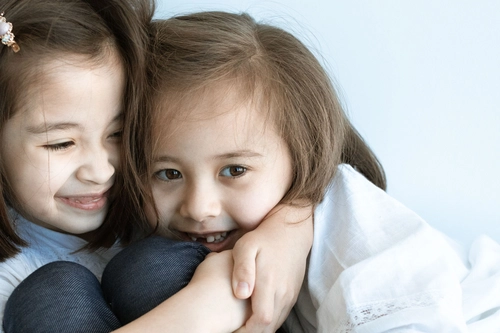
The first few days, they bickered. I didn’t intervene unless someone was unsafe. By day five, my older daughter was lifting the baby gate while the younger one crawled under, giggling. It was a tiny moment, but it was theirs. That shared goal flipped a switch. They started seeing each other as teammates, not rivals for my attention. Shared joy is the strongest glue for a sibling bond.
Give Each Child a Space That’s Truly Theirs
We moved them into separate rooms. It was the best decision. An older child needs a sanctuary where her precious drawings won’t be torn. A younger child needs a safe zone where she isn’t constantly told “no.” Even if you can’t give separate rooms, a corner with a curtain, a special chair—something that signals “this is yours alone” works. I painted a small square on the floor with painter’s tape for my youngest’s “castle.” Silly, but it reduced territorial battles.
When to Step In (and When to Walk Away)
I used to jump into every squabble. That only gave them an audience. Now, I listen for the tone. Bickering that’s just noise? I walk into the next room. Yelling that escalates to name-calling or hitting? I quietly remove the source of conflict without blame. I’ll say, “The dolls are going on the fridge for ten minutes. You can try again when everyone is ready to use gentle words.” The key is calm consistency. It’s boring, but it works.
FAQ: How to Help Siblings Get Along
Q: Why do my kids fight over things they don’t even care about?
A: Often it’s not about the object. It’s about attention, territory, or feeling unseen. One child may be testing whether you’ll notice them, or asserting their place in the family. Addressing the underlying need often stops the surface fight.
Q: What if one child is always the aggressor and the other always the victim?
A: Look beneath the roles. Sometimes the “victim” provokes in subtle ways. Sometimes the “aggressor” feels powerless elsewhere. Avoid labels. Address each child’s behavior separately and look for patterns. Both need to learn different skills.
Q: How do I handle sibling fighting when I’m already overwhelmed?
A: Start with one small change. Even separating toys or adding a daily ten-minute cooperative activity can reduce battles. You don’t need to fix everything at once. Small shifts accumulate.
Q: Should I punish my kids when they fight?
A: Punishment alone rarely teaches conflict resolution. Instead, focus on teaching. Use calm separation, name the feelings, and guide them toward solutions. Consequences can be useful, but they work best when paired with teaching.
One Last Thing
Last Tuesday, I found them in the older one’s room, lying on the rug with their feet touching, looking at a picture book together. No one was screaming. No one was crying. I stood in the doorway, sauce-splattered again, and let the moment sink in. They still fight, sure. But now I know they’ve got the tools to find their way back to each other. And that’s more than enough.
References
- Faber, A., & Mazlish, E. (2012). Siblings Without Rivalry: How to Help Your Children Live Together So You Can Live Too. W. W. Norton & Company.
- American Academy of Pediatrics. (2021). Sibling Rivalry: Helping Your Children Get Along. HealthyChildren.org.
- Markham, L. (2015). Peaceful Parent, Happy Siblings: How to Stop the Fighting and Raise Friends for Life. TarcherPerigee.
