

"Fantastic book for new parents, especially new parents who didnt have good parents or any parents growing up."
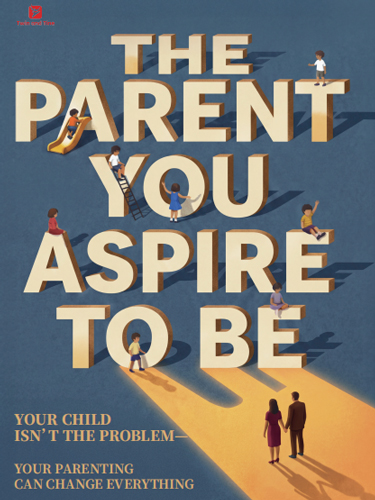
The Parent You Aspire to Be
The problem isn’t that your child won’t listen. It’s that the same fight keeps repeating.
- Secure payment
- Authentic editions
- Protected shipping
- 30-day returns
Product details
Print length 181 pages
Publication date March 1, 2026
ISBN 979-8-9991577-3-7
Highlights
- Breaks down common parenting challenges—backtalk, procrastination, emotional outbursts, and disobedience—by revealing the real reasons behind these behaviors.
- Provides practical, actionable strategies for each issue, with clear step-by-step guidance rather than vague advice.
- Offers side-by-side comparisons of effective vs. ineffective communication, teaching you exactly what to say so your child truly listens.
- Goes beyond guiding children by analyzing parents’ psychology as well—helping you understand the roots of emotions, control, and anxiety.
- Helps establish long-term, effective parent-child communication patterns, rather than relying on short-term control or suppression.
About this book
This is a practical and easy-to-understand parenting guide focusing on core issues in child development and parent-child relationships.
It covers seven key themes: child behavior correction, emotional management, personality psychology, parent-child communication, and parental emotional regulation. It directly addresses common childhood problems such as internet addiction, school refusal, lying, picky eating, and tantrums, as well as parental challenges including over-control, emotional outbursts, and role imbalance.
Using real-life parenting scenarios, the book follows a clear structure: wrong approaches + correct demonstrations + practical steps to provide actionable solutions. It helps parents understand the psychological needs behind children’s behaviors, and teaches them to set gentle but firm boundaries, communicate effectively, and let go appropriately. Whether you are a new parent facing difficulties or an experienced caregiver looking to improve your methods, this book offers inspiration to build healthier parent-child bonds and support your child’s all-round development.
THE PROBLEM
The Parenting Struggles You Face May Be Signs of a Deeper Need
Parenting is not just about correcting behavior—it is about understanding what your child is trying to express. Behind tantrums, defiance, and difficult moments, there is often an emotional need that children cannot explain with words.
Why does my child keep having tantrums over small things? You try to stay patient, but the constant crying, yelling, and emotional outbursts leave you feeling exhausted. Learning to understand the feelings behind the behavior can help you respond with connection instead of frustration.
Why does my child lie even when the truth seems obvious? You want your child to be honest, but punishment alone often does not solve the problem. Understanding why children hide the truth can help you build trust and teach honesty in a healthier way.
Why can’t my child stop using screens or playing games? You set limits, but every attempt turns into an argument. The key may not be stricter control—it may be understanding your child’s needs, building better habits, and creating boundaries they can accept.
How can I stop yelling and become a calmer parent? You love your child, but stress, exhaustion, and repeated conflicts can push you to react in ways you regret. Learning to manage your own emotions is one of the most important steps toward creating a stronger parent-child relationship.
More Books
Discover more thoughtful books for the modern soul
Reader Reviews
Hear from readers who found healing and inspiration through this book.
Share your review
Sign in to your account to leave a rating and review for this book.
"Great book, really puts everything into perspective 10/10 Easy to follow along and quick read."
"I am loving this book so far. Very practical advice for day to day parenting questions. I love how it is setup and easy to read and understand. Great work!!"