Modern parenting comes with a strange contradiction: parents have more information than ever, yet many still feel overwhelmed and unsure.
A child’s tantrum, defiance, or emotional outburst is rarely just about the behavior itself. Behind these moments are emotions, needs, and challenges that both children and parents are trying to navigate.
The best parenting books do more than teach discipline. They help parents understand their children, manage their own reactions, and build stronger relationships.
These five books offer different perspectives on child development, communication, emotional regulation, and raising children with empathy.
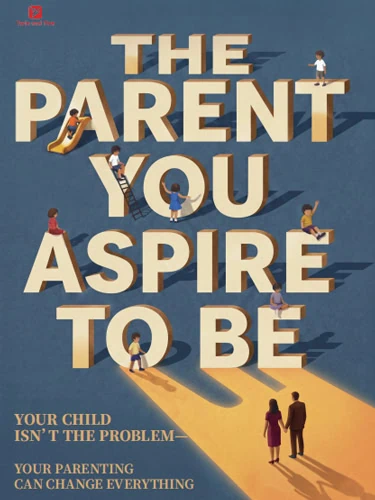
The Parent You Aspire to Be:
Your Child Isn’t the Problem, Your Parenting Can Change Everything
Miles Carter
I’ve always believed that one of the most important shifts in modern parenting is recognizing that children’s challenging behaviors are often forms of communication.
A child who talks back, refuses to cooperate, procrastinates, or has emotional outbursts may not simply be trying to challenge authority. These behaviors can come from unmet emotional needs, developing skills, or struggles that children do not yet know how to express.
The Parent You Aspire to Be explores these everyday parenting challenges while also looking at something many parenting books overlook: the emotional world of parents themselves. Our stress, fears, need for control, and personal experiences can all influence how we respond to our children.
What makes this book meaningful is that it focuses on more than changing a child’s behavior in the short term. It explores how parents can build healthier communication patterns through emotional awareness, clear boundaries, and a deeper understanding of what is happening beneath the surface. For parents who feel exhausted by repeated conflicts, this book offers an important reminder: improving the relationship often begins with changing the way we understand the problem.
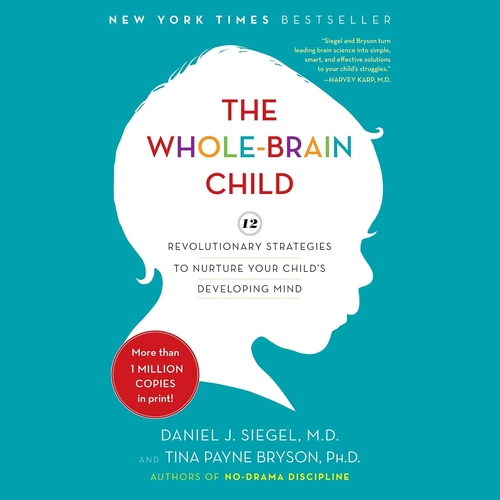
The Whole-Brain Child:
12 Revolutionary Strategies to Nurture Your Child’s Developing Mind
Daniel J. Siegel & Tina Payne Bryson
One question many parents struggle with is this: if children know the rules, why do they still fail to follow them?
A child may know they should not scream, yet lose control when emotions become overwhelming. They may understand what they are supposed to do, while still lacking the ability to manage their feelings in the moment.
The Whole-Brain Child uses research on child development to explain why this happens. Daniel Siegel and Tina Payne Bryson explore how children’s brains develop over time and why emotional regulation, self-control, and decision-making are skills that need to be gradually built.
What I appreciate about this book is the way it changes how parents interpret difficult moments. Instead of immediately viewing behavior as something that needs correction, it encourages parents to first understand what is happening inside the child’s mind. Sometimes a different perspective is the first step toward a better relationship.
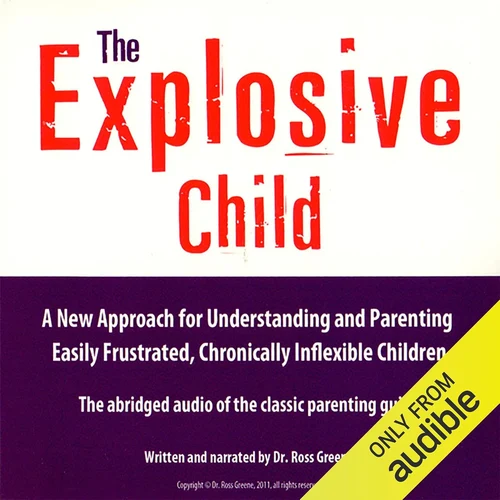
The Explosive Child:
A New Approach for Understanding and Parenting Easily Frustrated, Chronically Inflexible Children
Ross W. Greene
Some children seem to become overwhelmed by small frustrations.
Stopping a favorite activity can lead to a major argument. A small change in plans can trigger a meltdown. A simple conversation can quickly become a conflict.
Ross Greene’s The Explosive Child introduces a different way of understanding these situations. The book suggests that challenging behavior is often connected to skills that children have not fully developed yet, such as handling frustration, adapting to change, or expressing their needs.
What makes this book meaningful is the question it encourages parents to ask. Instead of focusing only on “How do I make my child obey?” it invites parents to consider, “What skill is my child struggling with right now?” For families dealing with frequent emotional outbursts, this shift in perspective can completely change the way conflicts are approached.
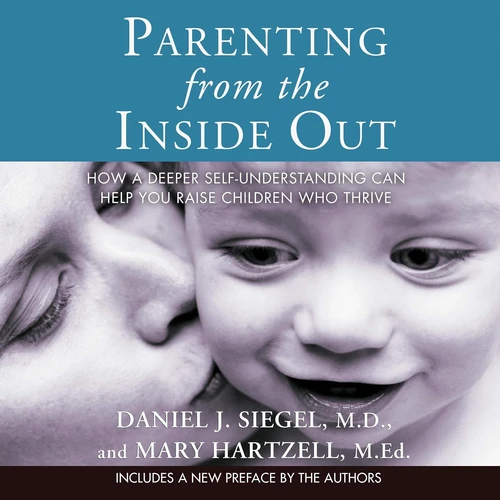
Parenting From the Inside Out:
How a Deeper Self-Understanding Can Help You Raise Children Who Thrive
Daniel J. Siegel & Mary Hartzell
I’ve noticed that children often reveal parts of ourselves that we have never fully examined.
A child’s behavior may bring back memories from our own childhood. Their mistakes may trigger our fears. Their resistance may create feelings of frustration or helplessness that feel much bigger than the moment itself.
Parenting From the Inside Out explores the connection between a parent’s personal history and the way they raise their children. The book explains how self-awareness can help parents understand their emotional reactions and avoid unconsciously repeating unhealthy patterns.
What I appreciate about this book is its reminder that parenting does not only happen through what we teach our children. It also happens through the emotional patterns we bring into the relationship. Understanding ourselves can become one of the most powerful ways to support our children.
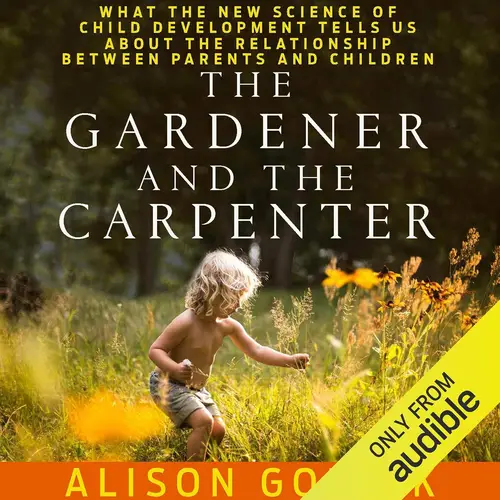
The Gardener and the Carpenter:
What the New Science of Child Development Tells Us About the Relationship Between Parents and Children
Alison Gopnik
Many parents carry an invisible pressure to create the “perfect” child.
They worry about choosing the right activities, teaching the right lessons, and preparing their children for the future. Parenting can sometimes start to feel like a project that needs constant improvement.
In The Gardener and the Carpenter, Alison Gopnik offers a different perspective. She suggests that parents are more like gardeners than carpenters. A carpenter creates something according to a plan, while a gardener creates the environment where something can naturally grow.
What makes this book meaningful is its reminder that children are not projects waiting to be completed. They are individuals with their own personalities, interests, and ways of experiencing the world. Parents cannot control every outcome, yet they can create a supportive environment where children have the freedom to grow into themselves.
Final Thoughts
The best books about raising children do not promise a perfect parenting formula.
Every child has a different personality, and every family has a different story.
What these books offer is something more valuable: a deeper understanding of children and ourselves.
Parenting begins to change when we stop seeing every difficult moment as a problem that needs to disappear and start seeing it as information about what a child needs.
Sometimes the biggest change in a child’s life does not come from a new technique.
It comes from a small change in the way a parent sees their child.
