Your partner says everything is fine, but something in their voice tells you otherwise. A colleague’s compliment feels more like a dig, though the words were perfectly polite. You walk away replaying the conversation, trying to figure out what actually happened—but you always come up empty.
You tell yourself you are overthinking. Maybe you are too sensitive. But the feeling keeps coming back.
Most of us are trained to listen to words. We are not trained to read the signals underneath them. Below are five books that address specific gaps in how we read the people around us.

Why You Feel Uncomfortable But Cannot Say Why
You are in a conversation and something feels wrong. The person is saying all the right things. But your gut tells you not to trust it. You have no evidence. You cannot quote anything they said that was inappropriate. You just feel it. And because you cannot explain it, you dismiss it. Later, you find out you were right all along.
How to Read Someone’s Mind by Miles Carter
This book does not teach you to memorize a dictionary of gestures. It teaches you to read emotional signals that most people miss because they are too subtle to notice unless you know what to look for.
One of the most valuable sections covers contempt. This is an emotion that does not shout. It does not argue. It shows up as a brief flicker in the eyes, a slight twitch at the corner of the mouth, a moment of disengagement when the other person looks through you rather than at you. Contempt is quiet and corrosive, unlike anger or jealousy. Once you learn to recognize it, you stop wasting time wondering whether something is wrong. You know.
The book also teaches you to observe changes in baseline behavior. People have patterns. When those patterns shift, something has shifted underneath. You learn to tell the difference between how someone normally acts and how they act in moments of tension. That difference is where the real information lives.
If you have ever walked away from a conversation feeling unsettled and could not explain why, this book will give you language for what you already sense.
Why You Ignore Your Instincts And Regret It Later
You meet someone new. They seem fine, but something about them makes you uneasy. You cannot name it, so you convince yourself you are being unfair. You stay polite. You keep the conversation going. Later, you realize your instinct was right all along. You knew. You just did not trust yourself.
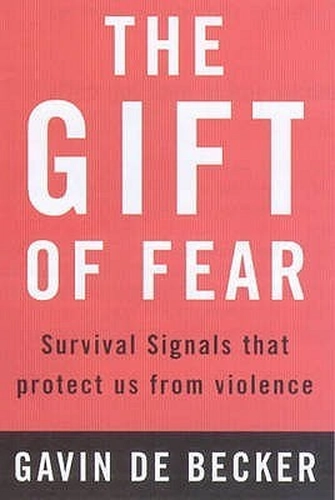
The Gift of Fear by Gavin de Becker
This book focuses on one thing: listening to your internal warning system. De Becker points out that humans are the only animals who override their survival instincts in favor of being polite. We shut down our own alarms because we do not want to seem rude.
The book breaks down the specific signals that precede danger. It teaches you how to distinguish real fear from false anxiety, how to read the subtle testing behaviors that manipulators use before they act, and why the phrase “you are being paranoid” often comes from people who benefit from you being unguarded.
You finish it with a clearer sense of when to trust that quiet voice in your head. If something feels off, it is worth paying attention to, even if you cannot explain it in the moment.
Why Some People Click With You Instantly And Others Never Do
Some people you meet feel familiar within minutes. Conversation flows. You trust them quickly. Others stay strangers even after months of interaction. You are not sure whether the problem is you, them, or just a lack of chemistry. You want to understand what makes the difference so you can stop guessing.
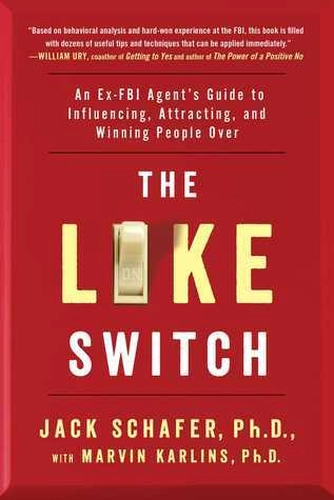
The Like Switch by Jack Schafer
Schafer is a former FBI agent who specialized in recruitment and source development. He spent his career figuring out how to make people trust him quickly and deeply. His book distills that experience into a set of practical techniques.
The book focuses on behavioral patterns that signal safety and trust. It covers how to read someone’s willingness to connect, how to create a sense of rapport without forcing it, and how to tell the difference between someone who is genuinely interested and someone who is performing interest. The title refers to a specific moment in a conversation where trust tips from neutral to positive. Once you recognize that moment, you stop wasting energy on connections that will never develop.
The book is practical and specific, giving you tools you can try in your next conversation.
Why You Keep Repeating The Same Relationship Patterns
You keep ending up in the same kind of relationship. The other person looks different, sounds different, comes from a different background. But the outcome feels the same. You feel misunderstood, underappreciated, or constantly on edge. You wonder if you are picking the wrong people, but you cannot tell what the pattern is.
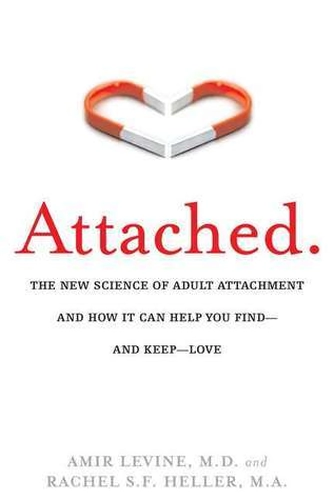
Attached by Amir Levine
Levine introduces the concept of attachment styles. This is a way of understanding how people behave in close relationships based on their underlying expectations of connection. Some people are secure and comfortable with intimacy. Others are anxious, constantly worried about being abandoned. Others are avoidant, pulling away when things get too close.
These patterns come from early experiences and shape how we interpret everything our partners do. Levine explains how each attachment style thinks and behaves, and why mismatches between styles cause so much misunderstanding. You do not need to be in a relationship to benefit from this book. Understanding your own attachment style helps you see why you react the way you do, and why certain people trigger certain reactions in you.
Why You Know What To Say But Cannot Say It When Emotions Are High
You understand the situation. You know what the right response is. But when the conversation gets tense, your words come out wrong. You say things you do not mean, or you freeze entirely. Later, you replay the conversation and think, “I should have said that differently.” But in the moment, your emotions take over.
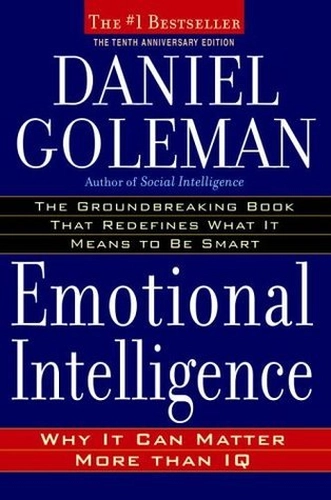
Emotional Intelligence by Daniel Goleman
Goleman makes a case that emotional skill is at least as important as cognitive ability. He breaks down the components of emotional intelligence, including self-awareness, self-regulation, and social awareness. The book draws on research to explain why we react the way we do, what is happening in the brain during high-stakes interactions, and how to improve our ability to manage those responses.
The goal is to build a moment of space between what you feel and what you say. This is what allows you to respond rather than react. The book helps you build that space through awareness and practice. It does not turn you into a different person overnight, but it gives you a clearer sense of what to work on.
Which One Should You Start With
These five books address different blind spots. Which one you need most depends on where you tend to get stuck.
Frequently walk away from interactions feeling unsettled but cannot explain why? Start with Carter. He will help you name what you already sense.
Find yourself overriding your instincts and later regretting it? De Becker will help you trust yourself more.
Struggle to build rapport with new people? Schafer gives you a clear roadmap.
Keep ending up in the same kinds of relationships and cannot figure out why? Levine offers a framework that explains the pattern.
Know the right words but cannot access them when it matters? Goleman will help you understand what is getting in the way.
These books are not substitutes for one another. They are tools for different problems. Go with the one that sounds most like what you are living through right now.
